Commercial Property: How to Invest, Value, and Profit in 2025
When you hear commercial property, real estate used for business purposes like offices, retail spaces, warehouses, or hotels. Also known as commercial real estate, it's not just buildings—it's income machines that pay you through rent, not just appreciation. Unlike homes, these properties earn money because businesses pay to use them. That’s why investors care less about curb appeal and more about cash flow, tenant quality, and location demand.
One of the biggest tools to judge a commercial property’s worth is the cap rate, the ratio of net operating income to property value, used to compare returns across different investments. A 7.5% cap rate isn’t just a number—it tells you if the deal is safe or risky based on what similar properties earn. Then there’s property valuation, the process of estimating a commercial property’s market value using income, sales comparisons, or replacement cost. Most pros rely on income because a building’s value comes from what it brings in, not how nice the lobby looks. And if you’re buying, you’ll need a commercial loan, a mortgage designed for business properties, with stricter down payments and credit rules than home loans. Most lenders want 25% to 35% down, and your credit score better be above 700.
What makes one commercial property worth more than another? It’s not luck. It’s things like zoning, tenant leases, and building age. A retail space in a high-foot-traffic area with long-term tenants will outperform a vacant warehouse, even if the warehouse is newer. The 2% rule, a guideline that says monthly rent should be at least 2% of the purchase price to ensure positive cash flow helps beginners avoid bad deals. And don’t forget depreciation—commercial buildings are written off over 39 years by the IRS, which can cut your taxes significantly. These aren’t theories. They’re rules used by professionals every day.
You’ll find posts here that cut through the noise. No fluff. Just straight answers: How much do you really need to put down? What’s the fastest-growing sector right now? Can you get paid just for having a good property idea? We cover how to market a space so it sells fast, how to calculate value without a fancy app, and why some leases mix rent with a cut of sales. Whether you’re a first-time buyer, a landlord, or just curious how these deals work, this collection gives you the facts you need to move forward—no jargon, no hype, just what works in 2025.

Feb, 20 2026-0 Comments

Jan, 27 2026-0 Comments
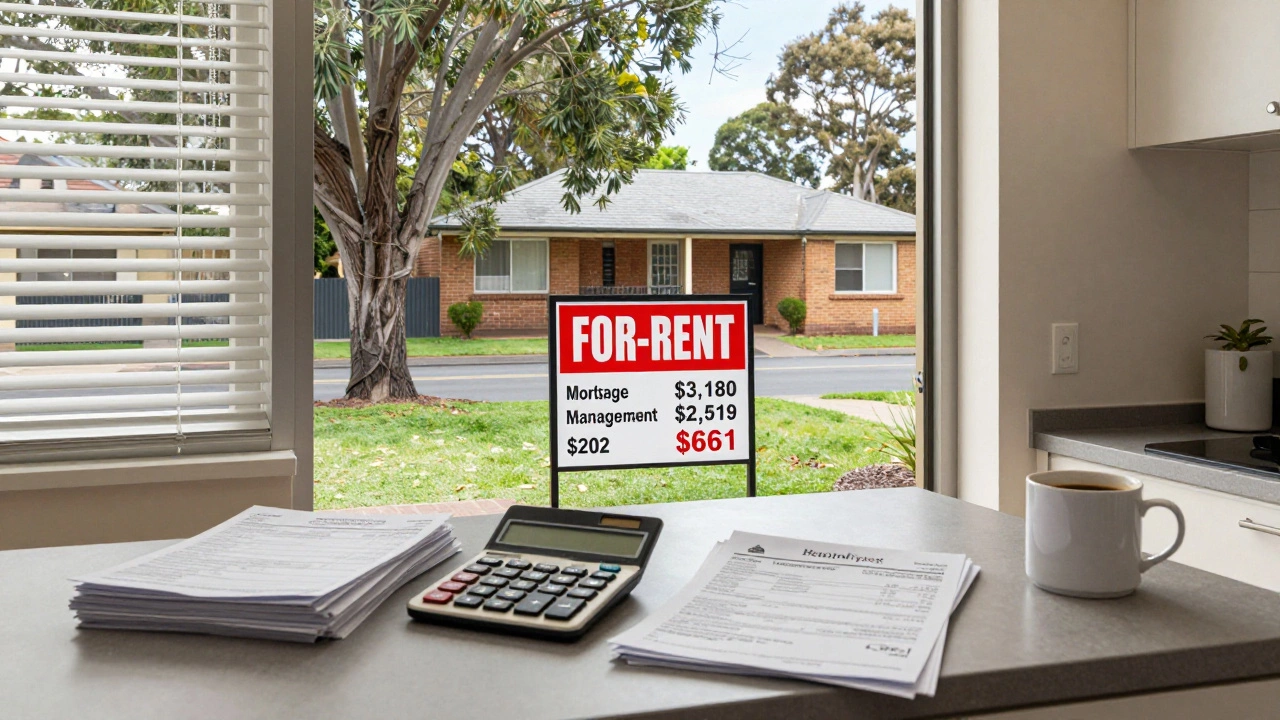
Jan, 23 2026-0 Comments
Dec, 16 2025-0 Comments

Nov, 25 2025-0 Comments

Nov, 3 2025-0 Comments

Oct, 30 2025-0 Comments
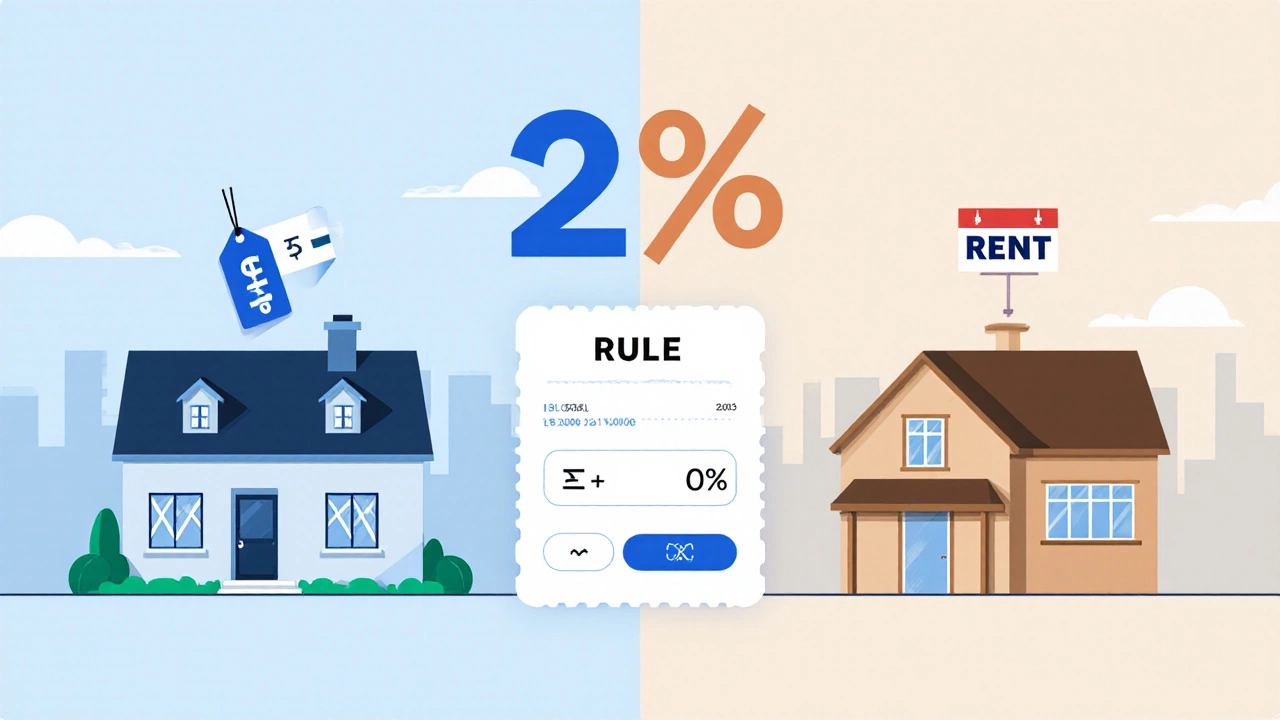
Oct, 26 2025-0 Comments

Oct, 24 2025-0 Comments


Oct, 20 2025-0 Comments
Oct, 16 2025-0 Comments