Land for Sale in the US: Prices, Homesteading, and What You Need to Know
When you think about buying land, a piece of real estate that isn’t built on, often bought for building, farming, or long-term investment. Also known as acreage, it’s one of the few assets that doesn’t shrink over time—unless you’re buying in a flood zone. Unlike houses, land doesn’t come with a roof, but it gives you freedom: no HOA rules, no neighbors complaining about your chicken coop, and no landlord to call when the well runs dry. That’s why more people are looking at land for sale, plots of undeveloped property available for purchase, often in rural or remote areas as a real alternative to traditional housing.
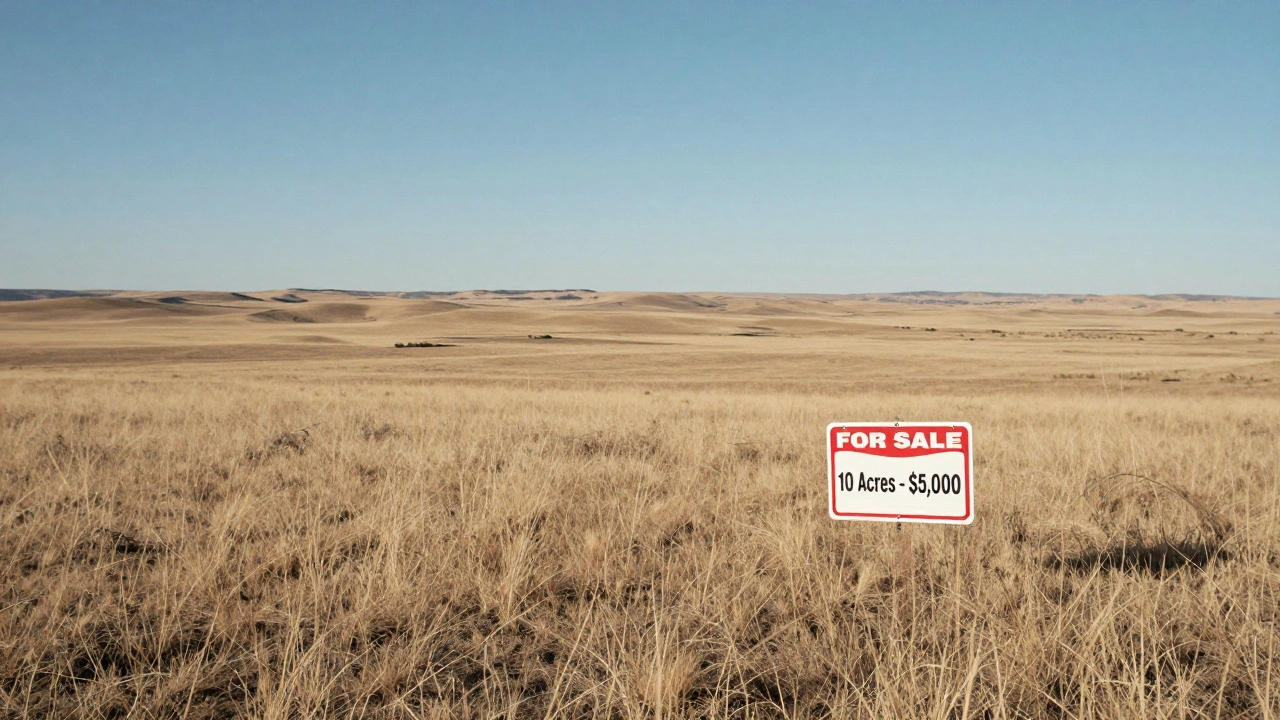
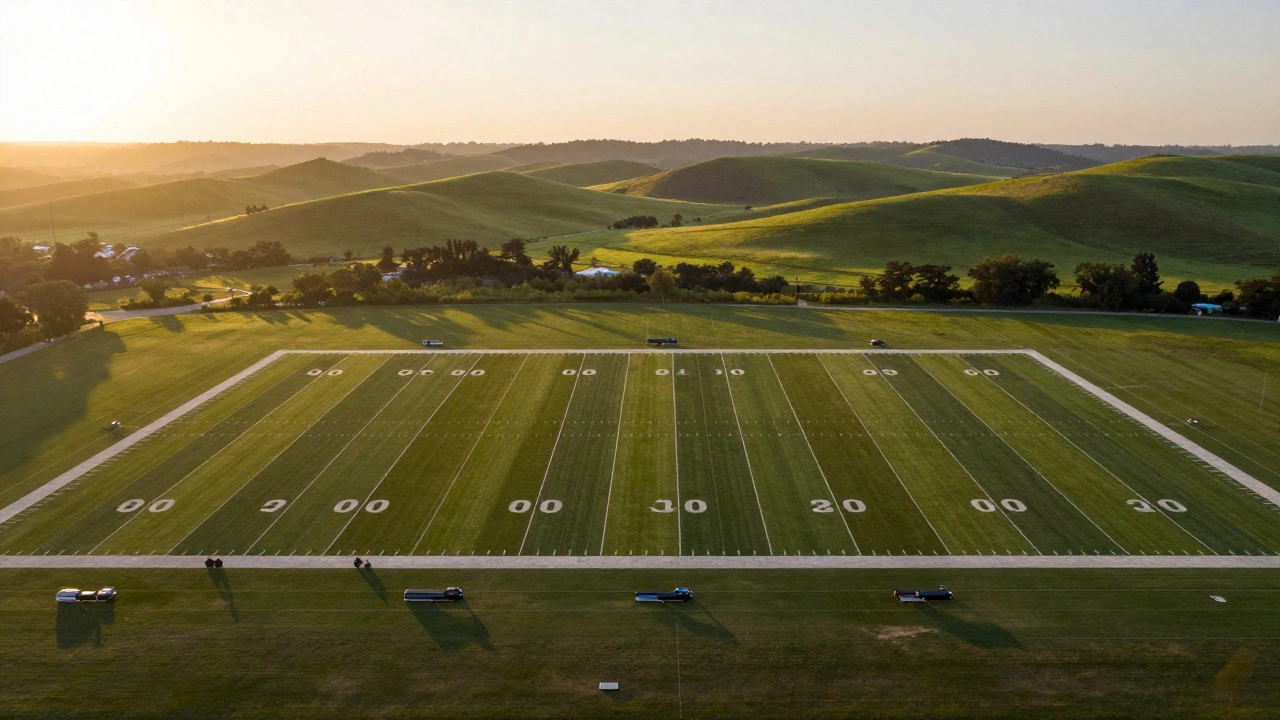
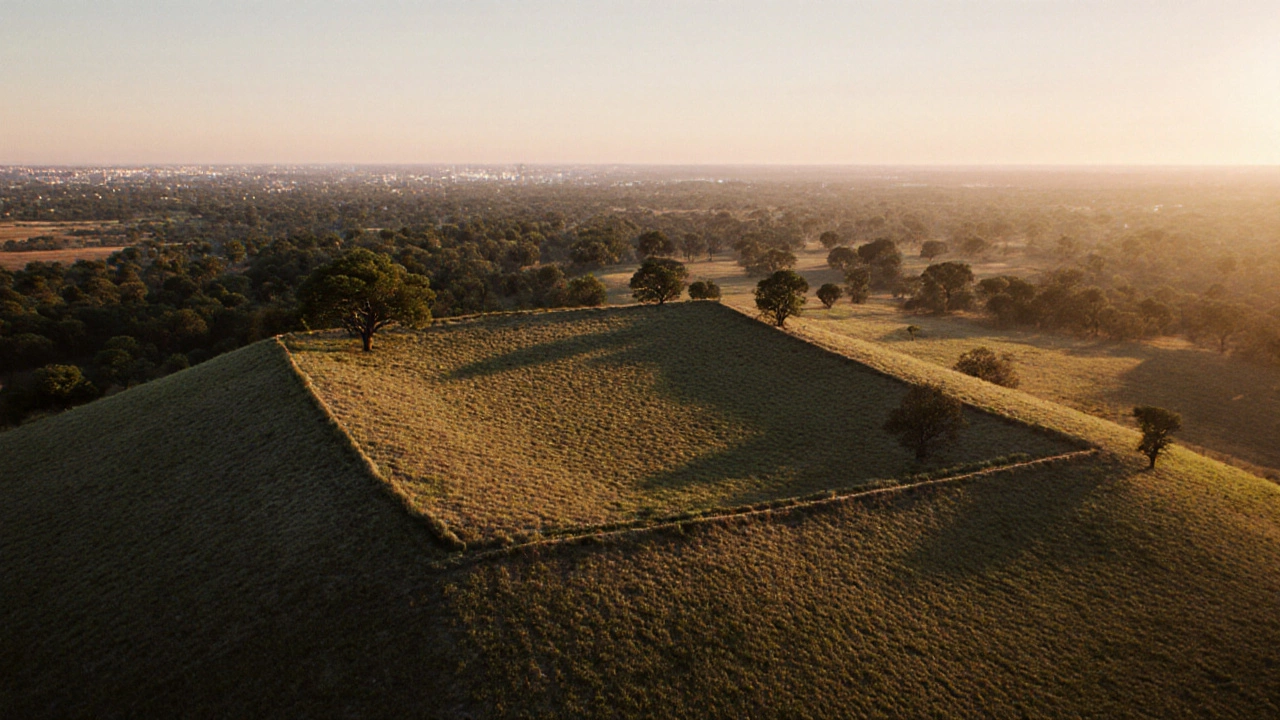
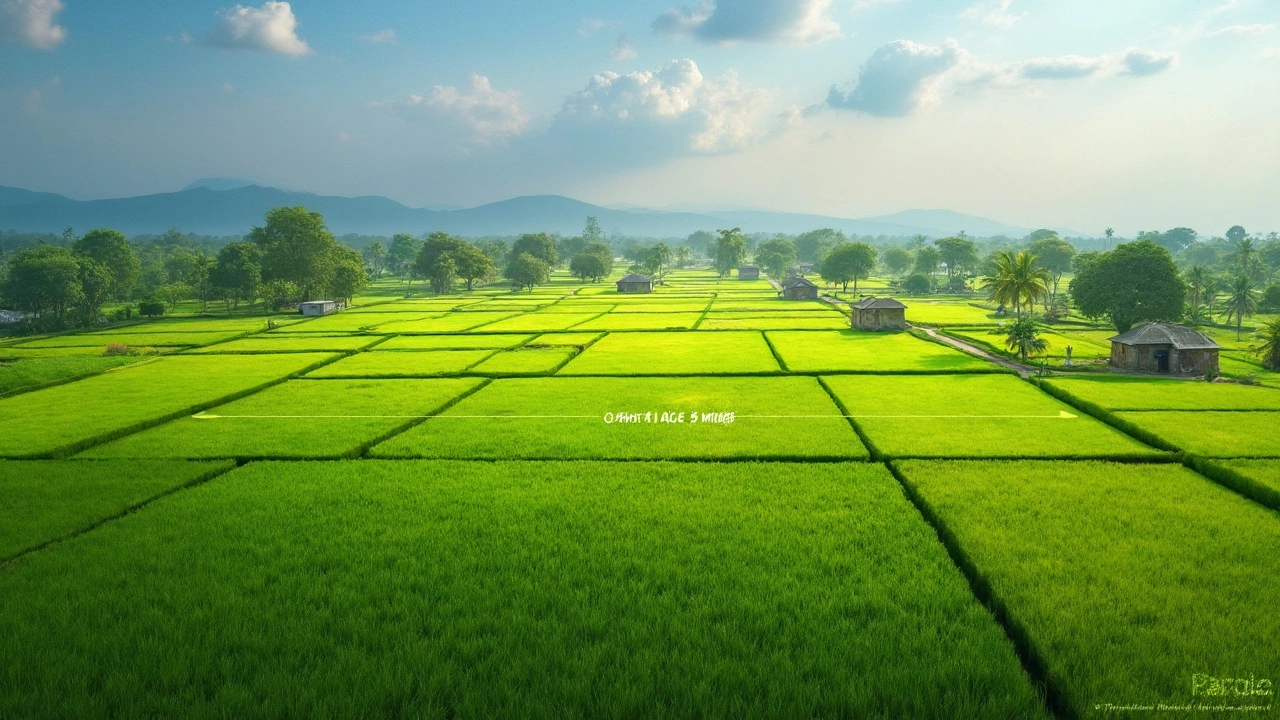
But land isn’t just about size—it’s about location, rules, and hidden costs. A single acre in Texas might cost $5,000, while the same size in Virginia could run $20,000, depending on water access, zoning, and whether the land is flat or covered in rocks. And don’t assume bigger means better: a 2-acre plot with no well or power lines might be worthless, while a 1-acre lot with a drilled well and road access could be a goldmine. That’s why knowing how big an acre, a unit of land measurement equal to 43,560 square feet, commonly used in US real estate really is matters. It’s about 75% of a football field, or roughly 16 tennis courts. Picture a parking lot with 150 cars—that’s an acre. If you can’t picture it, you’re guessing when you buy.
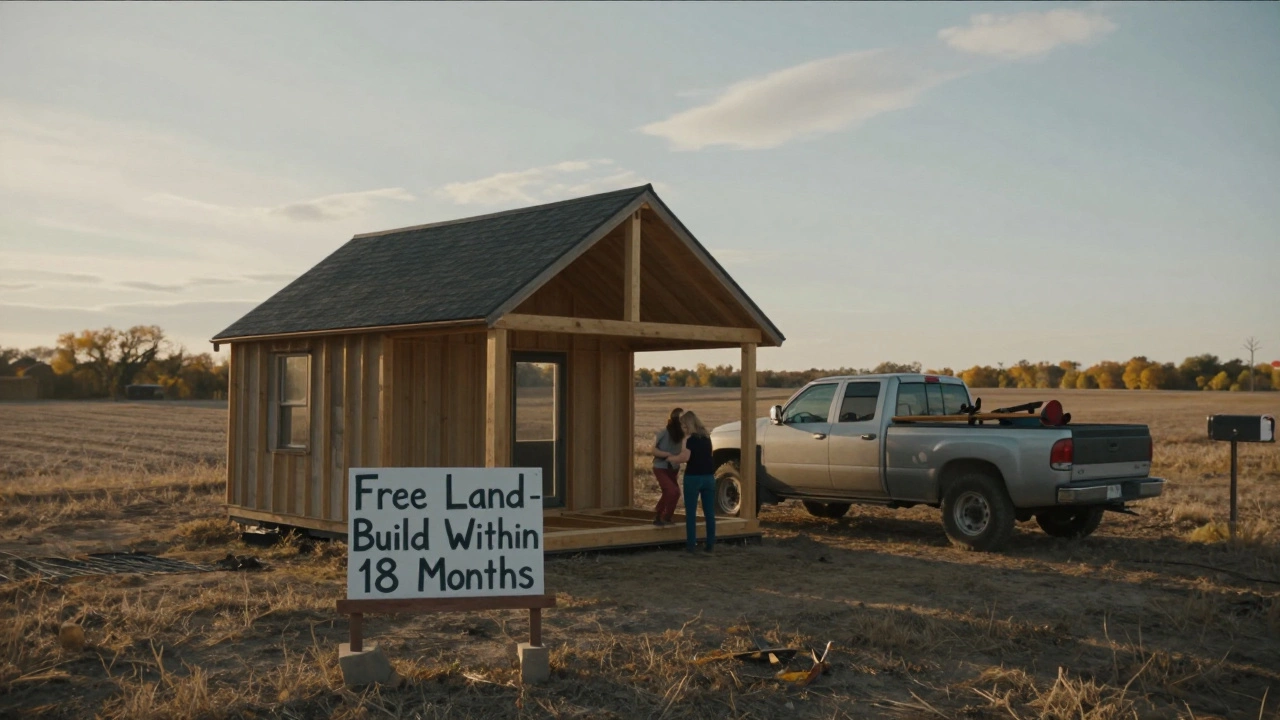
Then there’s the idea of homesteading, a lifestyle of living off the land, often involving self-sufficiency, gardening, and off-grid living. People still do it today—not because the government is giving away free land like in the 1800s, but because small towns in Utah, Kansas, and Michigan are offering land for $1 to attract new residents. But here’s the catch: you usually have to build a home within a year, connect to utilities, and pay property taxes. It’s not free—it’s just cheap. And yes, land claim, the legal process of asserting ownership over unowned or abandoned land still exists, but it’s not about showing up with a shovel and a flag. It’s about understanding adverse possession laws, checking county records, and knowing who owns the mineral rights beneath your feet.
You’ll find posts here that break down the real cost of land in Texas and Virginia, show you how to visualize an acre without a ruler, and tell you where you can still find land giveaways in the US. Some of these deals look too good to be true—they are. But others? They’re real, and they’re waiting for people who know what to look for. Whether you want to build a cabin, grow your own food, or just own something no one else can take away, this collection gives you the facts—not the fluff.
Feb, 27 2026-0 Comments
Feb, 10 2026-0 Comments

Jan, 13 2026-0 Comments
Dec, 5 2025-0 Comments
Dec, 2 2025-0 Comments
Oct, 25 2025-0 Comments

Jun, 14 2025-0 Comments
Jun, 3 2025-0 Comments

May, 28 2025-0 Comments
Apr, 29 2025-0 Comments
Apr, 2 2025-0 Comments

Apr, 1 2025-0 Comments