Single Story House: What It Is, Why It Matters, and Where to Find One
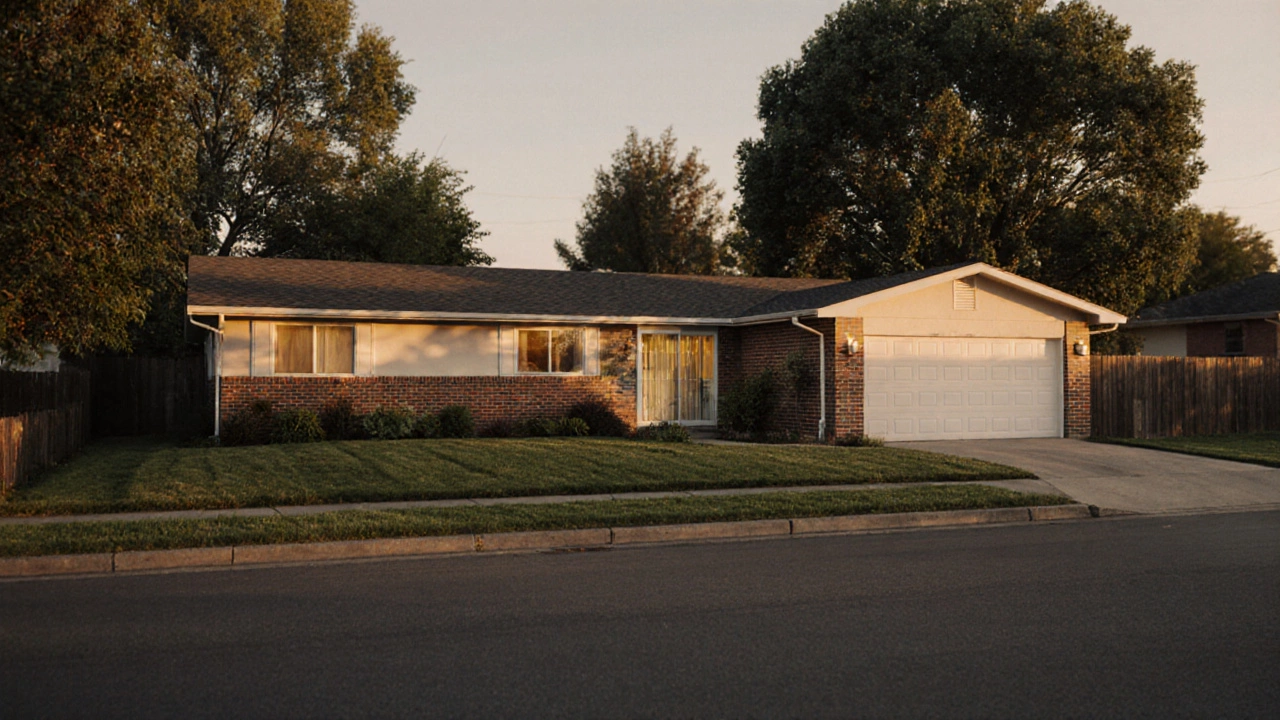
When you think of a single story house, a residential property with all living spaces on one level, without stairs or elevated floors. Also known as a one floor house or ranch style home, it’s one of the most practical designs for families, seniors, and anyone who values easy movement through their home. Unlike two-story homes that force you to climb stairs to reach bedrooms or laundry, a single story house puts everything you need within reach—kitchen, bathroom, bedroom, living room—all on the same level. This isn’t just about convenience; it’s about safety, independence, and long-term livability.
Many people assume bigger means better, but that’s not true when it comes to daily life. A single level home, a home designed entirely on one floor with no internal stairs reduces wear and tear on your body, eliminates fall risks, and makes cleaning and maintenance faster. For older adults, it means staying in their home longer. For young families, it means watching kids from the couch without running up and down stairs. And for anyone working from home, it means no distractions from footsteps above or below. These homes also tend to have open layouts, which make them feel bigger than they are—perfect for small to medium-sized households.
What’s interesting is how these homes connect to other trends you’ve probably seen. If you’ve read about 2BHK apartments, a two-bedroom, one-hall layout common in Indian cities, you’ll notice that many of those are designed to maximize space on a small footprint—just like single story homes. The difference? A single story house gives you more outdoor space, better ventilation, and no neighbors above or below you. It’s the same idea of smart living, but in a standalone structure. And if you’ve looked into ranch style home, a low-profile, single-level home popular in North America with a long, horizontal design, you’re already familiar with the layout—low ceilings, wide eaves, attached garages, and big backyards. These aren’t just architectural styles; they’re responses to real-life needs.
You won’t find many single story homes in dense urban centers like Mumbai or Delhi, where land is expensive and vertical living is the norm. But in growing suburbs, tier-2 cities, and quiet towns across India, they’re becoming more common. Developers are starting to build them for retirees, young couples, and even remote workers who want peace, privacy, and simplicity. You’ll often see them paired with courtyards, terraces, or garden spaces—making them feel more spacious than their square footage suggests.
Buying one? Look for good ventilation, natural light, and a layout that flows. Avoid homes with awkward hallways or wasted space. Check if the land is properly zoned for residential use. And don’t overlook the backyard—it’s often the real selling point. Whether you’re planning to grow vegetables, host weekend barbecues, or just sit quietly with a cup of tea, that outdoor space matters more than you think.
Below, you’ll find real posts from people who’ve lived in, bought, or rented single story homes—some in India, others abroad. They share what works, what doesn’t, and how to spot a good deal before it’s gone. No fluff. Just facts from real experiences.
Nov, 28 2025-0 Comments