Off-Grid Living: What It Really Takes to Live Outside the Utility Grid
When you hear off-grid living, a lifestyle where people disconnect from public utilities like electricity, water, and sewage systems and rely on self-sufficient solutions. Also known as independent living, it’s not just about moving to the woods—it’s about building systems that keep you alive without relying on city infrastructure. People choose this path for freedom, cost savings, or environmental reasons, but it’s not as simple as buying land and installing a solar panel. You need to plan for power, water, waste, and food—all without a backup grid to fall back on.
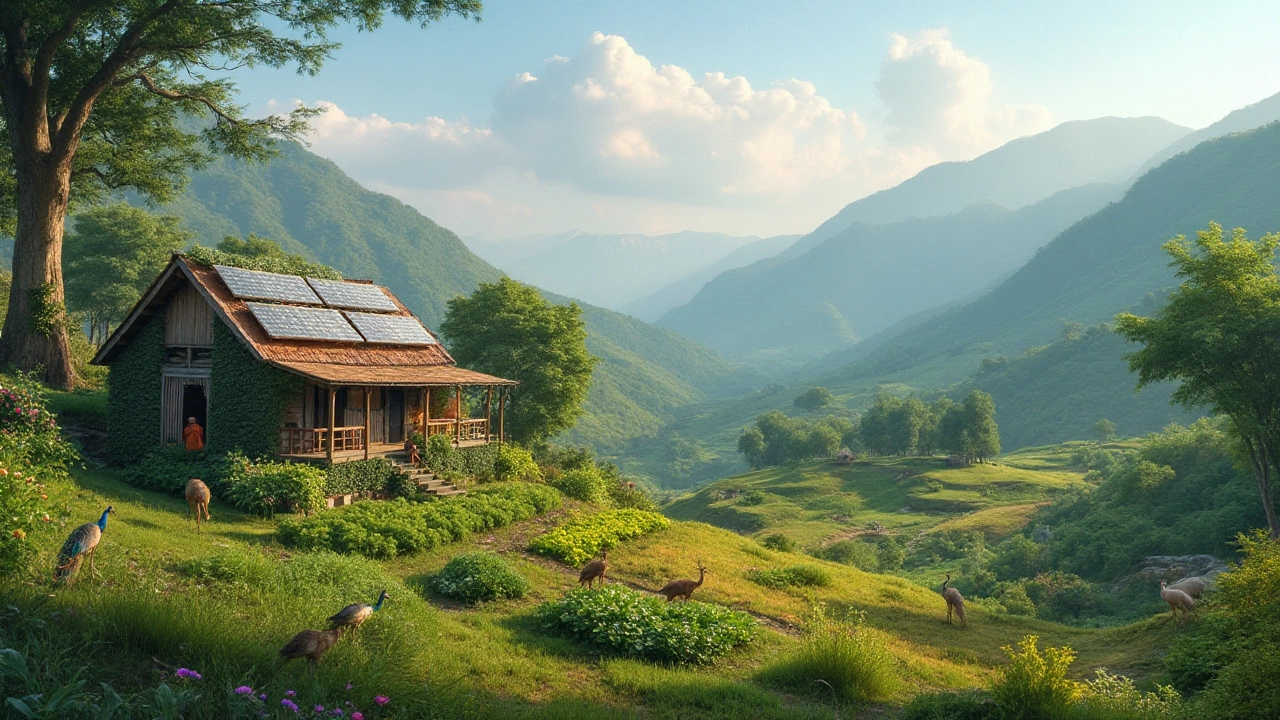
One of the biggest challenges is solar power, the most common energy source for off-grid homes, requiring batteries, inverters, and careful energy use to avoid blackouts. It’s not enough to slap on a few panels—you need to size your system for winter sun, cloudy days, and peak usage. Then there’s septic systems, the only way to handle waste when you’re not connected to municipal sewer lines. A poorly designed septic tank can ruin your land, contaminate groundwater, or cost thousands to fix. And water? You can’t just turn on a tap. Rain catchment, wells, and filtration systems are mandatory, and they all need maintenance.
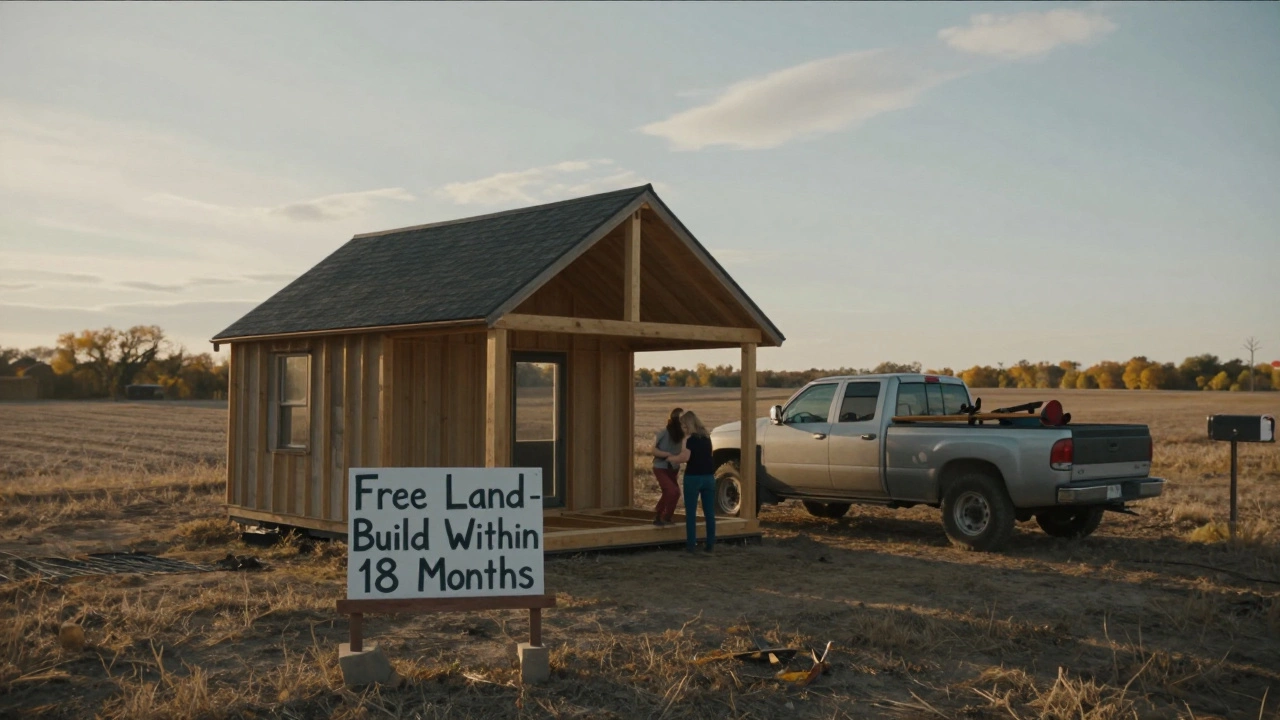
Land matters too. Not every plot of land is suitable. You need space for a septic field, room for solar arrays, and access to clean water sources. Zoning laws vary by state and country—some places ban off-grid systems outright. Even if you find a legal spot, you’ll need to think long-term: What happens when your battery dies? How do you heat your home in freezing winters without gas lines? These aren’t theoretical questions—they’re daily realities.
What you’ll find below are real stories and practical guides from people who’ve done it. From how much solar you actually need to survive a Montana winter, to why a 2-acre plot in Texas works better than a 1-acre lot in Virginia, these posts cut through the hype. You’ll see what works, what fails, and what no one tells you before you sign the deed. No fluff. No marketing. Just what you need to know before you unplug.
Feb, 27 2026-0 Comments
Jan, 19 2025-0 Comments