100 Acres: What You Need to Know About Large Land Parcels for Sale and Investment
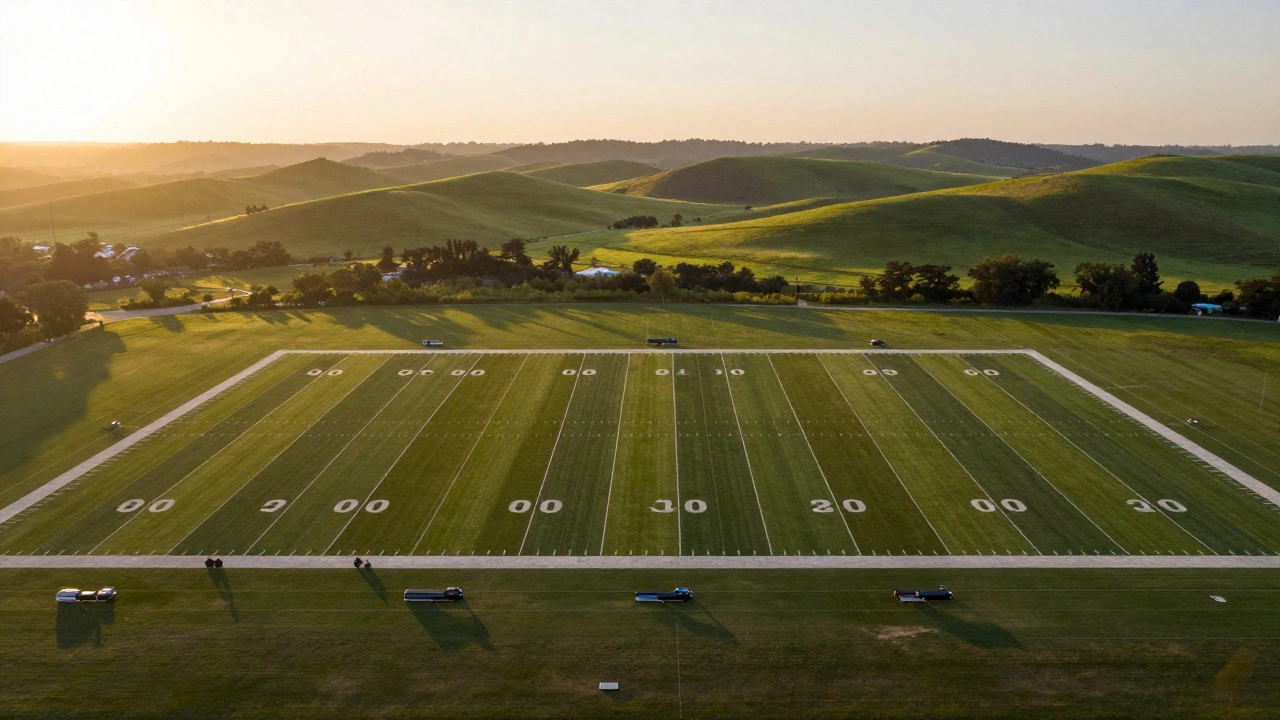
When you hear 100 acres, a large tract of land equal to about 40 hectares, often used for farming, development, or private retreats. Also known as a full section of land, it’s more than just a number—it’s a major commitment. Most people think of 100 acres as something only billionaires or agribusinesses can afford. But that’s not always true. In parts of Texas, Kansas, or even rural India, you can find 100-acre plots priced far below what you’d pay for a small city apartment. The real question isn’t just cost—it’s what you plan to do with it.
Land for sale, property offered for purchase, often with zoning restrictions that determine how it can be used. Also known as raw land, it doesn’t come with a house, plumbing, or power lines. That’s where things get tricky. A 100-acre plot might cost $200,000—but clearing trees, drilling a well, installing septic, and running electricity can add another $150,000 or more. If you’re thinking of building a home, you’ll need to check local zoning. Some counties require a minimum of 5 acres per home. Others ban residential use entirely. And if you want to split the land later? That’s another layer of permits, surveys, and legal fees.
Large property investment, buying big parcels of land with the goal of long-term profit through appreciation, development, or leasing. Also known as rural real estate, it’s not for everyone. But it’s growing. Investors are buying 100-acre plots to lease for solar farms, wind turbines, or timber harvesting. Others use them as private hunting grounds or eco-retreats. In places like Montana or Wyoming, 100 acres can mean total privacy. In India, it’s often farmland near growing towns—where zoning may shift from agricultural to residential in 5–10 years. That’s where the real money is made.
Don’t confuse 100 acres with a luxury estate. It’s not about marble countertops or infinity pools. It’s about soil quality, water rights, access roads, and property taxes. A 100-acre plot in a remote area might have low taxes—but no internet. One near a highway could be worth ten times more, but you’ll pay double in taxes and face zoning battles. And if you’re thinking of selling it later? Buyers for large land parcels are rare. You’ll need patience, the right listing, and a clear story: Is this for farming? For energy? For privacy?
Below, you’ll find real guides on what 100 acres can actually buy you—whether it’s land in Texas for $2,000 an acre, how to calculate the true cost of owning rural property, or how commercial developers turn empty land into profitable projects. No fluff. Just facts from people who’ve walked the land, signed the papers, and learned the hard way.
Dec, 5 2025-0 Comments