
Texas Rent Affordability Calculator
See if Your Income Covers Rent
Based on the national standard that housing shouldn't exceed 30% of your income.
Affordability Results
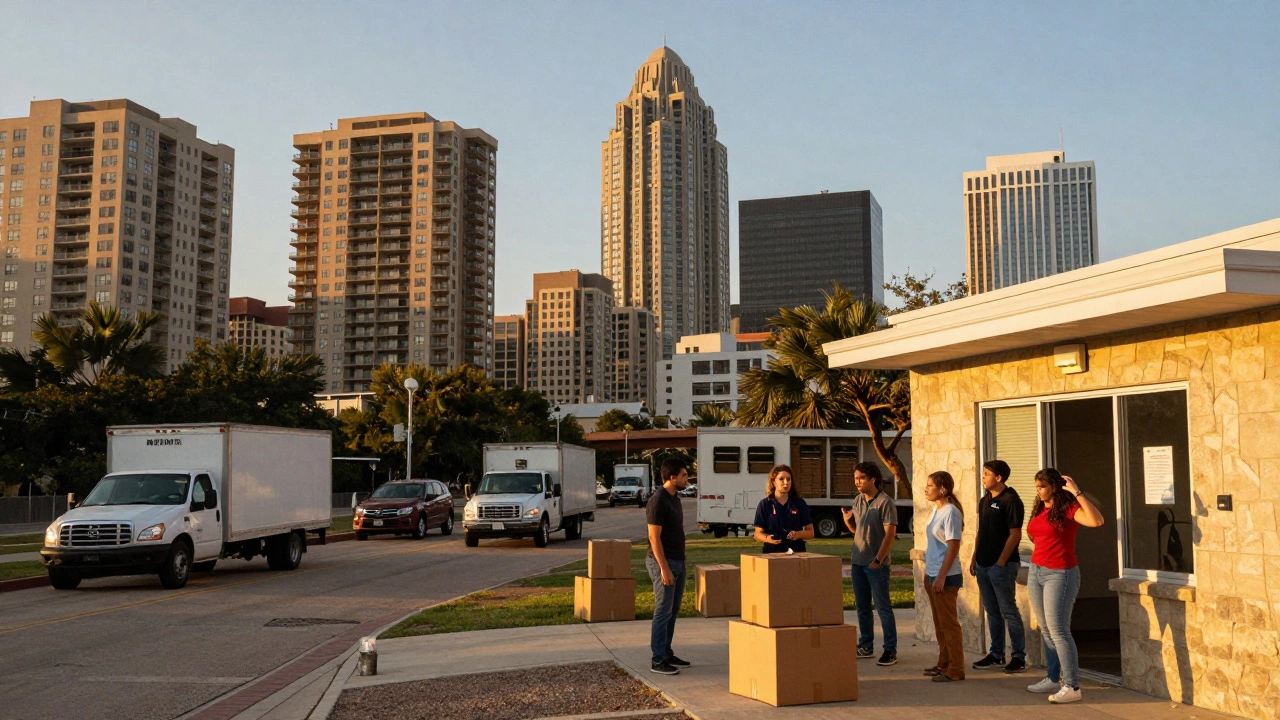
Texans are paying more for rent than ever before. In 2025, the average monthly rent for a one-bedroom apartment in Austin hit $1,850. In Dallas, it’s $1,720. Houston? $1,610. Even smaller cities like San Antonio and Fort Worth are seeing rents climb above $1,400. That’s not just inflation. That’s a system under pressure. And if you’re wondering why rent is so high in Texas, the answer isn’t one thing-it’s a mix of demand, limits, and timing that’s been building for over a decade.
People are moving in, fast
Texas has been a magnet for people leaving California, New York, and Illinois for years. Between 2020 and 2024, over 1.2 million people moved into Texas. That’s more than the entire population of Kansas. Why? Lower taxes, cheaper cost of living (at least on paper), and job opportunities in tech, logistics, and energy. Austin alone added 150,000 new residents in four years. Dallas-Fort Worth gained 220,000. These aren’t small numbers. They’re city-busting.
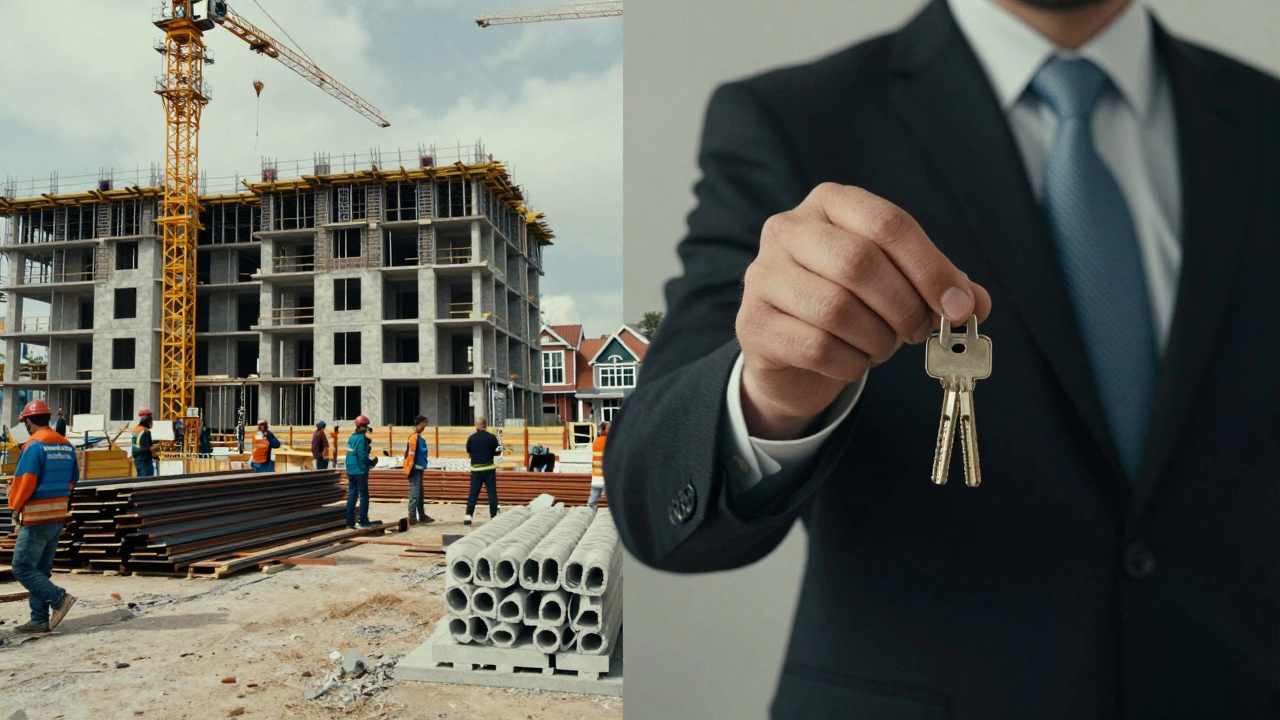
But housing didn’t keep up. You can’t build apartments overnight. It takes two to three years to get a new complex from permit to keys. And even then, the supply isn’t keeping pace. In 2024, Texas added about 120,000 new housing units. But the population growth demanded closer to 200,000. That gap? It’s what pushes rents up. More people. Fewer places to live. Simple math.
Construction costs are through the roof
Even when developers want to build, they can’t always afford to. The cost of building materials has stayed high since the pandemic. Steel, lumber, concrete-all still 20-30% more expensive than pre-2020 levels. Labor shortages? Real. Electricians, plumbers, and framers are in short supply across the state. Wages for construction workers have jumped 18% since 2021. That means developers have to charge more just to break even.
And zoning? Many Texas cities still restrict what can be built where. Single-family-only zones cover 75% of residential land in Houston and Austin. That means you can’t build a duplex, a fourplex, or a small apartment building on most lots. Only one house per lot. That limits density. And density is what keeps rent affordable. Without it, you’re forced to build big towers far from downtown-or nothing at all.
Investors are buying up homes
Since 2020, institutional investors-funds from Wall Street, private equity firms, and offshore capital-have snapped up single-family homes across Texas. In 2023, they bought nearly 18% of all homes sold in Dallas and Austin. That’s up from 6% in 2019. These aren’t mom-and-pop landlords. These are companies that buy homes in bulk, renovate them quickly, and rent them out. They don’t care if you’re a family or a student. They care about cash flow.
These investors outbid regular buyers because they pay in cash and don’t need financing approval. That pushes home prices up, which makes it harder for people to buy. And when people can’t buy, they stay renters. More renters. Fewer homes to buy. That drives rental demand even higher.
Wages haven’t caught up
Texas has a reputation for low wages. And it’s true. The state’s median hourly wage in 2025 was $18.40. That’s below the national average of $21.50. Meanwhile, rent in Austin is now 37% of the median income. In San Francisco? It’s 48%. So Texas isn’t the cheapest anymore. It’s just less extreme than coastal cities.
But here’s the catch: rent is rising faster than pay. In 2020, the average rent was $1,200. Today? $1,600+. That’s a 33% increase. Meanwhile, wages rose 19%. So renters are spending more of their paycheck on housing than ever. In some parts of Houston, renters are now spending over 50% of their income on rent. That’s the definition of housing stress.
Local governments are stuck
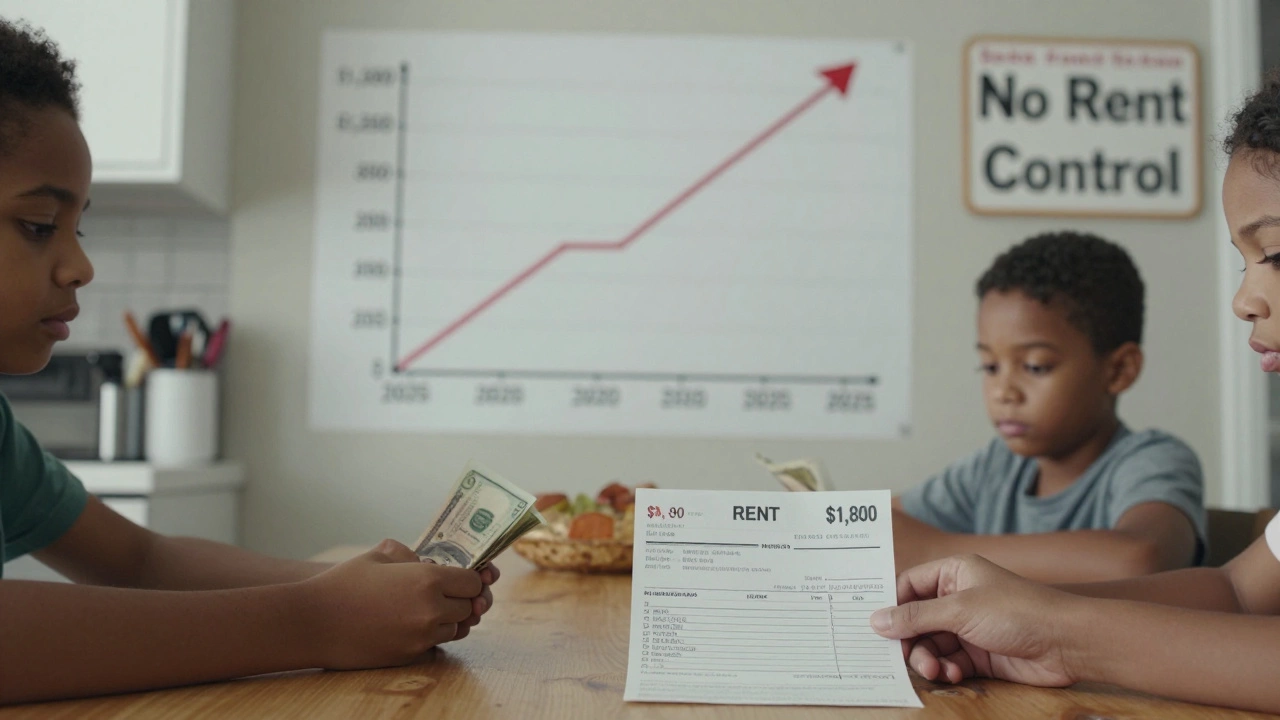
Unlike cities in California or New York, Texas cities can’t just pass rent control. State law bans it. So there’s no legal limit on how much landlords can raise rent each year. That means when demand spikes, landlords raise prices. No brakes. No limits.
Some cities tried to help. Austin passed a $10,000 grant for developers who build affordable units. Dallas offered tax breaks for projects with 20% low-income units. But the numbers don’t add up. In 2024, only 8% of new units built in Texas were classified as affordable. That’s not enough to make a dent.
And without state support? Cities are powerless. No funding for public housing. No major transit expansion to open up more areas. No state-level housing trust fund. So the burden falls on renters.
What’s next?
There’s no magic fix. But there are signs of change. Houston is relaxing zoning rules in five key corridors to allow townhomes and small apartment buildings. San Antonio is fast-tracking permits for infill housing. Dallas is testing a pilot program to convert empty office buildings into apartments.
But these are baby steps. Until Texas starts building more housing-dense, affordable, and near jobs-rents will keep climbing. Until wages rise faster than inflation, renters will keep struggling. Until the state allows cities to act, the problem will only get worse.
The truth? Texas isn’t broken. It’s just outgrown its rules. And right now, renters are paying the price.
Why is rent in Texas higher than in other Southern states?
Texas has seen far more population growth than other Southern states. While Georgia and Florida also grew, Texas added over 1.2 million people between 2020 and 2024-more than any other state. At the same time, Texas cities have stricter zoning laws than places like Nashville or Charlotte, which allow more multi-family housing. That limits supply. More people + less supply = higher rent.
Are rents going to go down anytime soon?
Not in the short term. New construction is still behind demand. The backlog of approved projects won’t hit the market until 2027. Until then, rents will likely keep rising, though at a slower pace. The only way rent drops is if population growth slows dramatically or if the state changes its zoning laws to allow much denser housing.
Do rent control laws exist in Texas?
No. Texas state law explicitly bans cities from enacting rent control. This has been in place since 1999. Even if a city like Austin or Dallas wanted to cap rent increases, they legally can’t. That means landlords can raise rent by 10%, 15%, or even 20% in a single year-no legal limits.
Why don’t more people move out of Texas if rent is so high?
Many people still find Texas cheaper overall than places like California or New York. Even with high rent, property taxes are lower, gas is cheaper, and there’s no state income tax. For families and remote workers, the trade-off still makes sense. Also, job opportunities in tech, healthcare, and logistics keep drawing people in-even if housing is tight.
What’s the most affordable city to rent in Texas right now?
As of 2025, Lubbock and Amarillo have the lowest average rents in Texas-around $950 for a one-bedroom. These cities have slower population growth, less demand from investors, and more available land. But they also have fewer jobs, less public transit, and fewer amenities. So affordability comes with trade-offs.