

Housing Affordability & Rent Burden Calculator
Understanding Your Result:
- 0% - 30% Affordable: Your housing costs are within the standard healthy range.
- 31% - 50% Rent-Burdened: You may struggle to save for emergencies or other essentials.
- Over 50% Severely Rent-Burdened: High risk of financial instability and housing insecurity.
Imagine spending 60% of your monthly paycheck just to keep a roof over your head. For millions of people, this isn't a hypothetical nightmare-it's a daily reality. When we talk about affordable housing, we aren't just discussing building cheaper apartments; we are talking about a critical safety net that prevents total financial collapse for specific groups of people. If you aren't in a position to buy a home at current market rates, you're likely feeling the squeeze, but some groups are being pushed to the brink far faster than others.
Quick Takeaways: Who is Most Affected?
- Low-Income Workers: People in essential roles (nurses, teachers) who earn too much for subsidies but too little for market rents.
- Single Parents: Specifically single mothers, who face the double burden of childcare costs and housing.
- The Elderly: Seniors on fixed pensions who see their purchasing power vanish as rents rise.
- Marginalized Communities: Groups facing systemic barriers in credit scoring and rental history.
- Youth and Students: A new generation unable to enter the market due to skyrocketing entry costs.
The Working Poor and the "Missing Middle"
There is a massive group of people often ignored in political debates: the "missing middle." These are individuals who earn more than the strict poverty line but far less than what a typical landlord expects. Workforce Housing is housing specifically targeted at workers who earn between 60% and 120% of the Area Median Income (AMI).
Think about a junior paramedic or a public school teacher in a city like Sydney or New York. They have stable jobs and a steady income, yet they are often priced out of the neighborhoods where they actually work. This leads to "super-commuting," where workers spend three hours a day traveling from distant suburbs. When affordable housing is absent, these essential workers are the first to leave a city, which eventually degrades the quality of local services for everyone else.
Single Parents and the Childcare Crunch
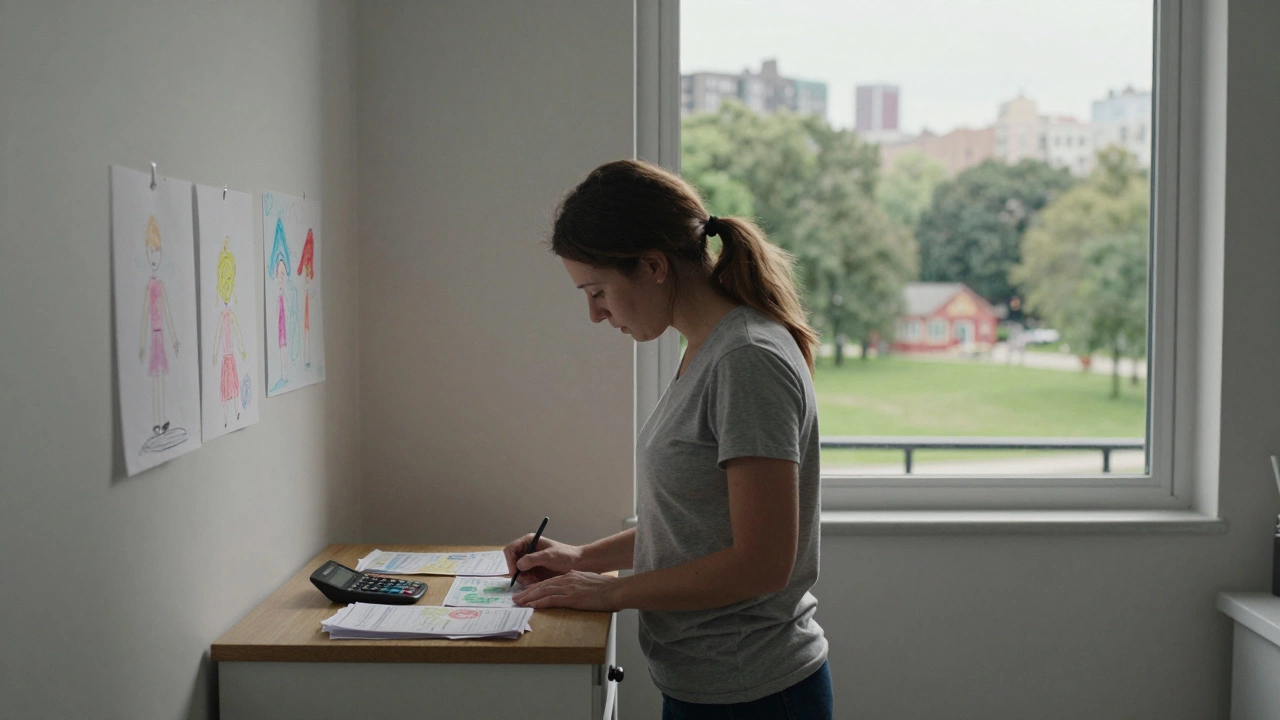
For single parents, the struggle isn't just about the rent check-it's about the location. A single mother doesn't just need a cheap apartment; she needs an apartment near a reliable school and a safe park. When affordable housing is pushed to the outskirts of a city, these parents face a brutal trade-off: spend more on rent to be near a school, or spend more on transport and childcare to live in a cheaper area.
The financial instability is compounded by the fact that many low-income rental agreements are precarious. A single missed payment due to a child's medical emergency can lead to an eviction notice, creating a cycle of instability that affects a child's cognitive development and school performance. The impact here isn't just financial; it's generational.
Seniors on Fixed Incomes
The elderly face a unique challenge. Many seniors are "house poor," meaning they might own a home but have very little liquid cash, or they rely entirely on a government pension. As property taxes and maintenance costs climb, or as rents increase in managed care facilities, their fixed income doesn't keep up with inflation.
Social Housing, which includes government-subsidized residential properties designed to provide low-cost shelter to vulnerable populations, is often the only thing keeping seniors out of homelessness. Without these targeted programs, we see a rise in "invisible homelessness," where seniors couch-surf between relatives because they can no longer afford a studio apartment.
Marginalized Communities and Systemic Barriers
It's impossible to talk about housing without mentioning systemic inequality. Minorities and marginalized groups often face higher hurdles when trying to secure a lease. This includes everything from biased screening processes to a lack of generational wealth (which means no co-signer or deposit money).
When the supply of affordable units is low, landlords can be more selective, and unfortunately, implicit biases often creep in. This forces marginalized groups into lower-quality housing-places with mold, lead paint, or poor heating-even if they can afford a better spot. This is why policies like "Housing First" are so vital; they provide a stable base before asking people to fix other areas of their lives.
| Group | Primary Driver of Need | Biggest Risk | Effective Solution |
|---|---|---|---|
| Essential Workers | Wage-to-Rent Gap | Long commutes / Burnout | Rent-capped workforce units |
| Single Parents | Income instability | Childhood instability | Integrated mixed-use zoning |
| Seniors | Fixed Pensions | Eviction / Homelessness | Subsidized senior living |
| Youth/Students | Entry barrier (Deposits) | Chronic rent stress | Co-living / Student housing |
The Youth Crisis: A New Generation of Renters
Gen Z and Millennials are entering a market that looks nothing like the one their parents navigated. High student debt combined with a surge in institutional investors buying up single-family homes has made the "starter home" a myth for many. This has created a massive demand for affordable rental options.
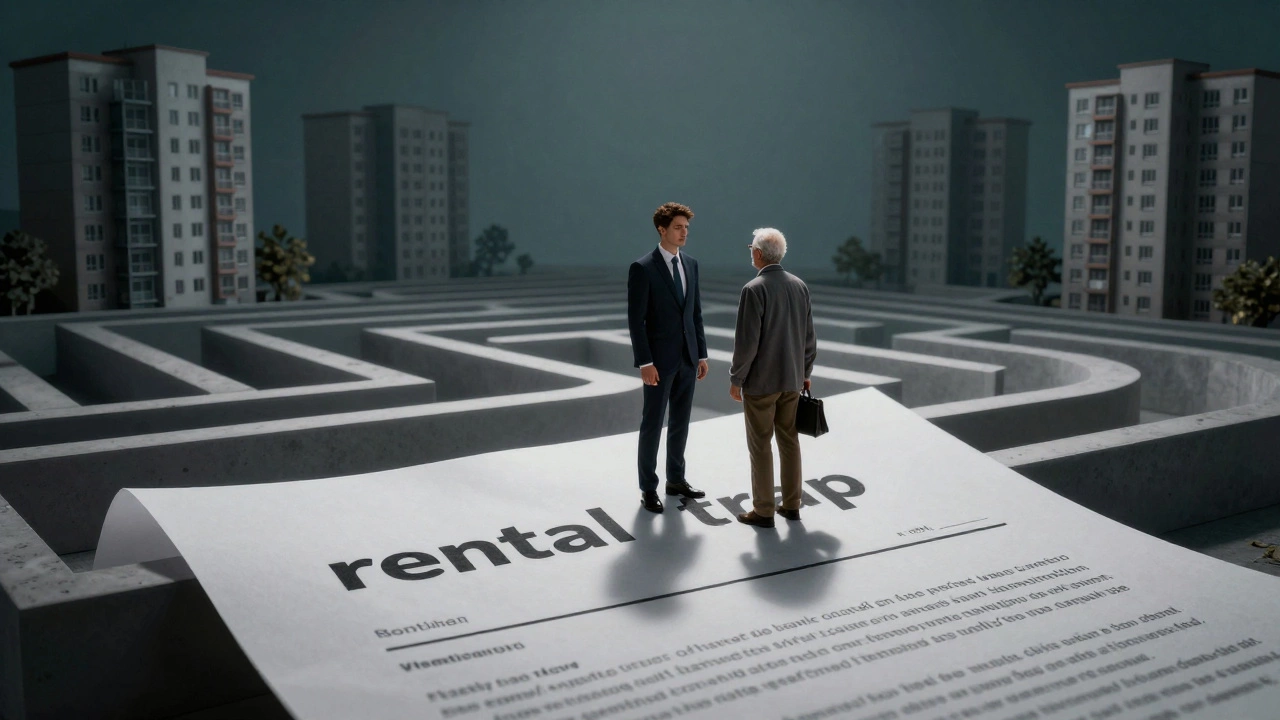
Young professionals are now spending an unprecedented percentage of their income on rent, which prevents them from saving for a down payment. This creates a "rental trap": they can't afford to buy because they pay so much in rent, and they continue to pay high rent because they can't buy. This trend isn't just a personal problem; it slows down the entire economy because young people have less disposable income to spend on other businesses.
How a Lack of Housing Affects the Whole City
When we ignore the need for affordable options, the entire city suffers. It's a domino effect. When teachers and nurses can't afford to live within 30 miles of their workplace, the quality of healthcare and education drops. Local businesses struggle to find staff because employees can't afford to live nearby.
Furthermore, the lack of affordable housing puts immense pressure on emergency services. It is significantly more expensive for a city to provide emergency shelter and healthcare for the homeless than it is to subsidize a permanent housing unit. Shifting the focus from "crisis management" to "preventative housing" saves taxpayers money in the long run.
What is the standard definition of "affordable"?
Generally, housing is considered affordable if it costs 30% or less of a household's gross monthly income. If you spend more than 30%, you are considered "rent-burdened." If you spend over 50%, you are "severely rent-burdened."
Does affordable housing lower surrounding property values?
Data from various urban studies suggests that well-managed, mixed-income developments typically have no negative impact on nearby property values and can even increase them by improving neighborhood density and local business traffic.
Who pays for the subsidies in affordable housing?
Funding usually comes from a mix of government grants, tax credits (like the Low-Income Housing Tax Credit in the US), and non-profit organizations. Some cities use "inclusionary zoning," which requires developers to make a percentage of their units affordable in exchange for building permits.
Is there a difference between social housing and affordable housing?
Yes. Affordable housing is a broad term that includes any housing geared toward low-income people, including private rentals with rent caps. Social housing is specifically owned or managed by the government or a non-profit to ensure long-term affordability and social support.
Why isn't more affordable housing being built?
Common barriers include "NIMBYism" (Not In My Backyard), where current homeowners protest new developments, outdated zoning laws that ban multi-family apartments, and the high cost of construction materials.
What to Do If You Are Struggling
If you're currently facing housing instability, the first step is to identify the type of support you need. If you're a senior, look for government-funded senior living cooperatives. If you're a worker in a specific field, check if your employer or local municipality offers workforce housing grants.
For those in immediate crisis, contacting local housing authorities to enter a "Housing Choice Voucher" program or similar subsidy list is critical, though waitlists can be long. It's also helpful to look for non-profit legal aid services that specialize in tenant rights to ensure you aren't being illegally evicted or overcharged.