
Cheap Land True Cost Calculator
Buying raw land is often cheaper upfront but expensive to develop. Use this tool to estimate the "all-in" cost by factoring in utility access, septic systems, and closing fees.
Infrastructure & Development Costs
Cost Breakdown
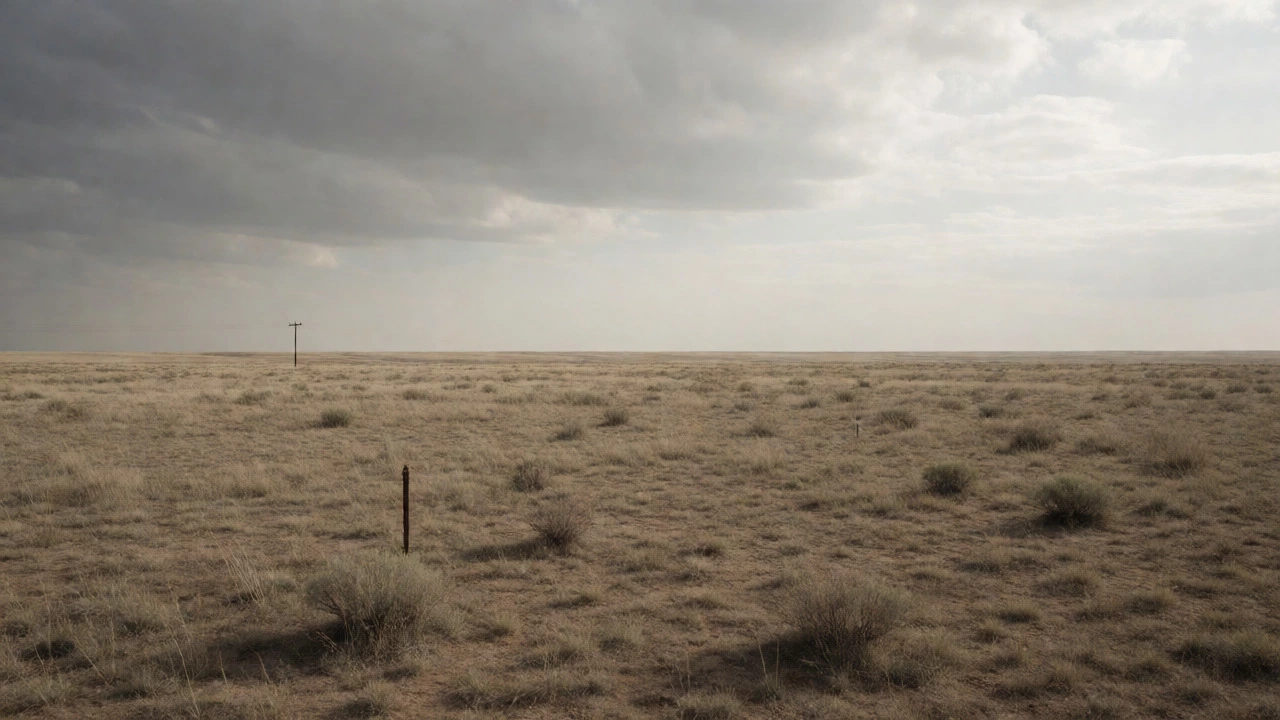
You see a listing for ten acres in Kansas for $15,000 and think you've struck gold. Then you get the bill for water hookup, septic installation, and clearing trees, and suddenly that "cheap" land costs more than a used car. Buying cheap land is not just about finding the lowest price per acre; it's about understanding what you're actually buying. In 2026, the map of affordable real estate has shifted. Remote work trends have pushed prices up in scenic rural areas, while industrial shifts have dropped prices in others. If you want a plot without draining your savings, you need to look beyond the sticker price.
The True Cost of "Cheap" Land
Most people make the mistake of comparing raw land prices to developed home prices. They aren't comparable. When you buy raw land, you are buying potential, not convenience. The hidden costs often exceed the purchase price. Before you sign, you must calculate the "all-in" cost. This includes surveying fees, title insurance, closing costs, and most importantly, utility access.
Consider this: A $5,000 acre in Nevada might require $20,000 just to bring electricity to the site. Meanwhile, a $15,000 acre in Arkansas might already have power lines on the road. Always ask: Is there water? Is there power? Can I build here? If the answer to any of these is "no," add at least 30% to your budget for infrastructure.
Top States for Affordable Land in 2026
If you are looking for volume-lots of acres for little money-the Midwest and South still dominate. However, the reasons for affordability vary. Some states are cheap because they lack demand; others are cheap because supply is massive.
| State | Avg Price/Acre | Best For | Key Challenge |
|---|---|---|---|
| Wyoming | $1,200 - $3,500 | Hunting, Ranching | Extreme weather, remote |
| New Mexico | $1,500 - $4,000 | Off-grid living, solar | Water scarcity |
| Tennessee | $3,000 - $8,000 | Farming, hobby farms | Increasing competition |
| Arkansas | $2,500 - $6,000 | Timber, recreation | Humidity, pests |
| Kansas | $2,000 - $5,000 | Cattle, crops | Drought risk |
Wyoming remains one of the cheapest places to buy large tracts of land. You can find hundreds of acres for the price of a suburban house lot. But remember, Wyoming winters are brutal. Unless you enjoy shoveling snow or dealing with sub-zero temperatures, this might not be your dream retirement spot.
New Mexico offers incredible value for off-grid enthusiasts. The dry climate means less maintenance on structures and great solar potential. However, water rights are complex. In some counties, you cannot drill a well without extensive permitting. Always verify water availability before buying desert land.
Tennessee has seen prices rise but still offers bargains in rural eastern counties. The soil is fertile, and timber values are high. It’s a sweet spot for those who want four seasons without the extreme cold of the north. Just watch out for zoning changes as developers creep into rural areas.
Why Location Matters More Than Price
A cheap plot in a flood zone is expensive if you lose your investment to water. A cheap plot in a wildfire corridor is risky if you plan to build soon. Topography, soil quality, and access define the true value of rural real estate.
Look for "dry" land. Wetlands sound romantic, but building on them requires expensive pilings and permits. Check the FEMA flood maps. Even if the current owner says it never floods, check the history. Also, consider road access. Is it a public road or a private easement? Private roads mean shared maintenance costs with neighbors, which can lead to disputes if someone refuses to pay for grading.
How to Find Off-Market Deals
By the time a listing hits Zillow or Realtor.com, it’s often been marked up. To find the truly cheap land, you need to go where the motivated sellers are.
- Tax Sales: Counties auction off land for unpaid taxes. These deals can be 50-70% below market value. Warning: You usually buy the land "as is," including any liens or issues.
- Inherited Land: Heirs often want quick cash and don’t care about sentimental value. Look for properties owned by LLCs with multiple names or estates in probate.
- Foreclosures: Banks own thousands of acres nationwide. They want to clear their books. Contact local bank asset managers directly rather than browsing online portals.
- Drive for Dollars: Literally drive rural roads. Look for overgrown lots with rusty signs. Mail letters to owners found via county records. Many older owners simply want to sell and move closer to family.
Financing Cheap Land
Here is the catch: Most banks hate lending on raw land. Why? Because if you default, selling empty dirt takes longer than selling a house. Expect a down payment of 20-50%. Interest rates will be higher than mortgage rates.
Options include:
- Seller Financing: This is common with cheap land. The seller acts as the bank. You pay them monthly. Terms are negotiable. This avoids bank red tape.
- USDA Loans: Specifically the USDA Section 502 Direct Loan Program helps low-income buyers in rural areas. You can sometimes finance land and construction together.
- Personal Loans: For very cheap plots ($5k-$10k), an unsecured personal loan might be faster and cheaper than a traditional land loan.
Due Diligence Checklist
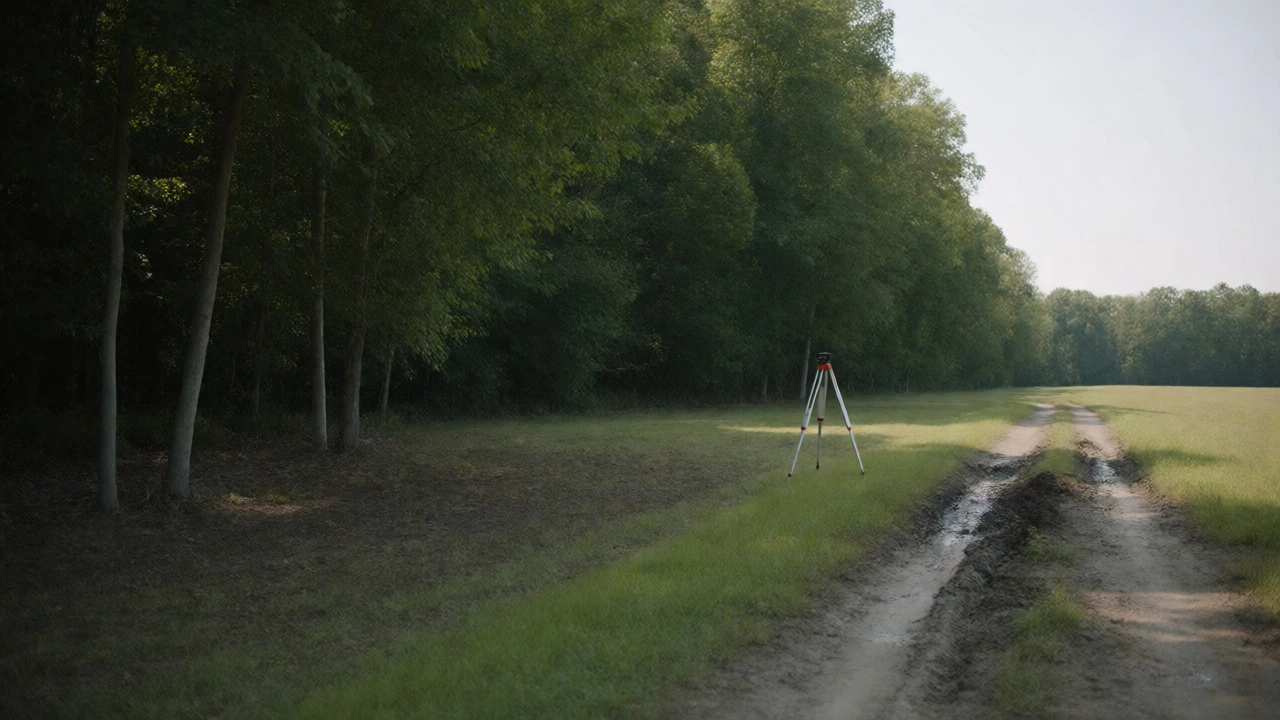
Do not skip this step. Once you close, you own every problem attached to that dirt.
- Zoning: Can you build a residential home? Or is it agricultural only? Some zones prohibit mobile homes or tiny houses.
- Percolation Test: Required for septic systems. If the soil doesn't drain, you can't install a standard septic tank. This test costs $300-$500 but saves thousands.
- Title Search: Ensure there are no mineral rights claims. Someone else might own the oil or gas under your feet, restricting drilling or causing noise.
- Access Rights: Verify legal access to a public road. "We've always used this path" is not a legal right.
Is Cheap Land a Good Investment?
Land does not generate cash flow unless you rent it for hunting, farming, or storage. Its value appreciation is slow compared to stocks or developed real estate. However, it is a hedge against inflation and provides tangible security.
If you buy in a path of growth-say, 20 miles outside a growing city-you could see significant returns in 10-15 years. If you buy in a declining rural area, you might hold the land indefinitely. Treat it as a long-term store of value, not a quick flip.
What is the absolute cheapest state to buy land in 2026?
Wyoming and New Mexico consistently offer the lowest average price per acre, often under $2,000. However, accessibility and water rights can significantly increase the effective cost.
Can I get a mortgage for cheap raw land?
Traditional mortgages are rare for raw land. Most lenders require 20-50% down and charge higher interest rates. Seller financing is often easier to obtain for inexpensive plots.
Are there hidden costs when buying cheap land?
Yes. Common hidden costs include utility hookups (electricity/water), septic system installation, land clearing, surveying, and property taxes. Budget an additional 30-50% of the purchase price for development.
Is it better to buy land from a bank or an individual?
Banks may offer lower prices on foreclosed land but rarely negotiate terms. Individuals are more likely to offer seller financing and flexible closing dates, which can be valuable for first-time buyers.
How do I check if land has water?
Check local county records for existing wells. Hire a hydrogeologist to assess aquifer depth. In arid regions like New Mexico, water rights are separate from land ownership and must be verified separately.