
Global Land Cost & Risk Estimator
Enter your desired plot size to see how "cheap" land really is when you factor in access, utilities, and legal hurdles.
Your Requirements
| Region | Sticker Price (Total Plot) |
Hidden Costs (Est.) |
True Total Cost | Risk Level |
|---|
Analysis Summary
Enter your plot details and click "Calculate" to compare regions.
You’re staring at a listing for ten acres in Montana. The price tag says $150,000. You do the math: that’s $15,000 per acre. Then you see a plot in rural Paraguay for $8,000 total. Same size, but one-tenth the price. Why does the dirt cost so much more in one place than another? It’s not just about where the sun shines or where the rain falls. It’s about access, laws, and what you can actually build on the ground.
If you’re hunting for the cheapest acre globally, you need to stop looking at price per square meter alone. A cheap acre in the middle of nowhere with no road access is worthless if you can’t get a truck to it. A slightly more expensive acre next to a paved highway might be a steal. This guide breaks down where land is genuinely cheap, why it’s cheap, and the hidden costs that turn a bargain into a money pit.
The Real Definition of "Cheap" Land
Before we point fingers at countries, let’s define what we mean by "cheap." In real estate terms, raw land value depends on three things: utility, accessibility, and legal security. If any of these are missing, the price drops. But so does your ability to use the land.
Most people assume "cheap" means low sticker price. But if you have to spend $50,000 building a driveway because there isn’t one, your "$5,000 acre" just cost you $55,000. When we talk about the cheapest acres, we’re talking about the lowest total cost of ownership after basic improvements. That’s the only metric that matters for investors and homesteaders alike.
North America: The Desert and the Deep South
In the United States, the stereotype is that everything is expensive. That’s true in New York or California, but not everywhere. If you want an acre for under $5,000, look at the desert Southwest and parts of the rural South.
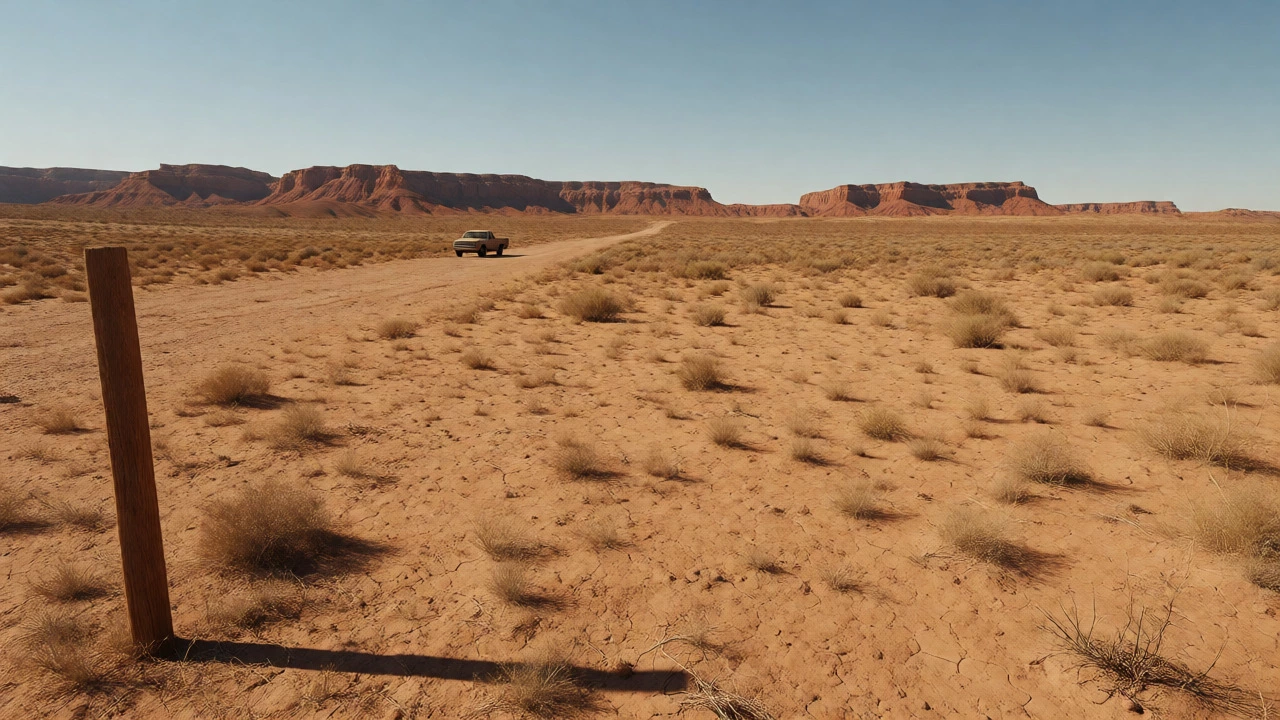
New Mexico and Arizona offer some of the most affordable land in the developed world. You can find 40-acre parcels in remote areas for less than the cost of a used car. Why so cheap? Water. These regions are arid. Without water rights, the land is dry dust. If you’re planning solar farms or stargazing retreats, this is gold. But if you want to grow tomatoes, you’ll pay dearly for water infrastructure.
Move east to West Virginia and Kentucky. Here, the land is lush, green, and cheap. Prices often hover around $2,000-$4,000 per acre. The catch? Terrain. Many of these plots are steep, rocky hillsides. Building a house requires serious excavation costs. Plus, mineral rights are often sold separately. You might own the surface, but someone else owns the coal underneath. Always check the deed.
South America: The Frontier Bargains
Cross the equator, and prices drop further. South America offers some of the lowest entry points for large tracts of land, but the legal landscape is a minefield for foreigners.
Paraguay is currently the darling of budget land buyers. You can buy fertile agricultural land in the Chaco region for $500-$1,000 per hectare (about $200-$400 per acre). Compare that to $15,000+ per acre in Iowa, and it looks insane. But Paraguay has strict residency rules. To buy land as a foreigner, you usually need permanent residency first. Get it wrong, and your title could be contested.
Bolivia is even cheaper, sometimes under $100 per acre in remote highlands. But here’s the kicker: Bolivia restricts foreign ownership near borders and within 50 kilometers of the coast. You also face higher risks of informal titles-meaning the person selling the land might not legally own it. Due diligence isn’t optional; it’s survival.
Europe: The Ghost Villages of Southern Italy
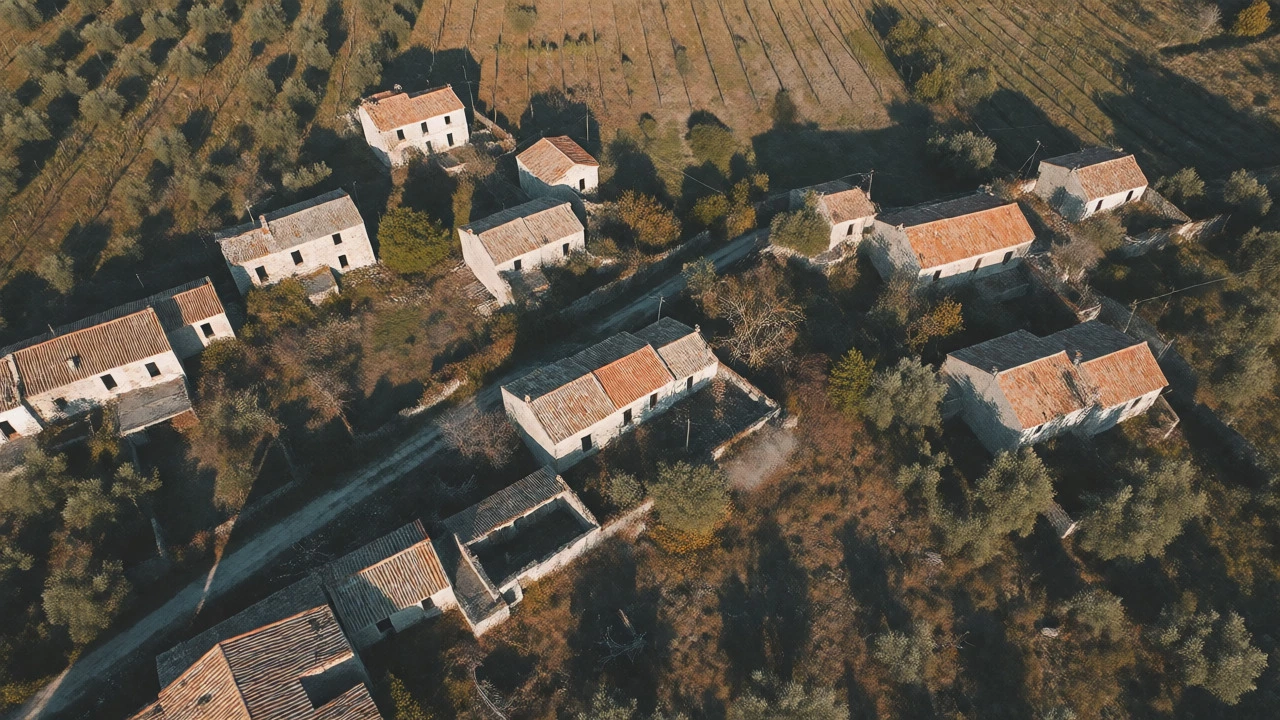
Yes, Europe has cheap land. Not in Paris or London, but in the depopulated south of Italy and Spain. The famous "€1 homes" in Sicily grab headlines, but the land surrounding those homes is often free or nearly free if you commit to renovation.
In regions like Molise or Calabria, you can buy small plots of rural land for €1,000-€3,000 per acre. The population is shrinking, leaving behind abandoned farms. The government wants new residents. They offer tax breaks and grants for restoring old structures. However, bureaucracy moves slowly. Expect months of paperwork. And remember: Italian zoning laws are strict. You can’t just slap a modern prefab cabin on protected agricultural land without fighting the local council.
Australia: The Outback Reality Check
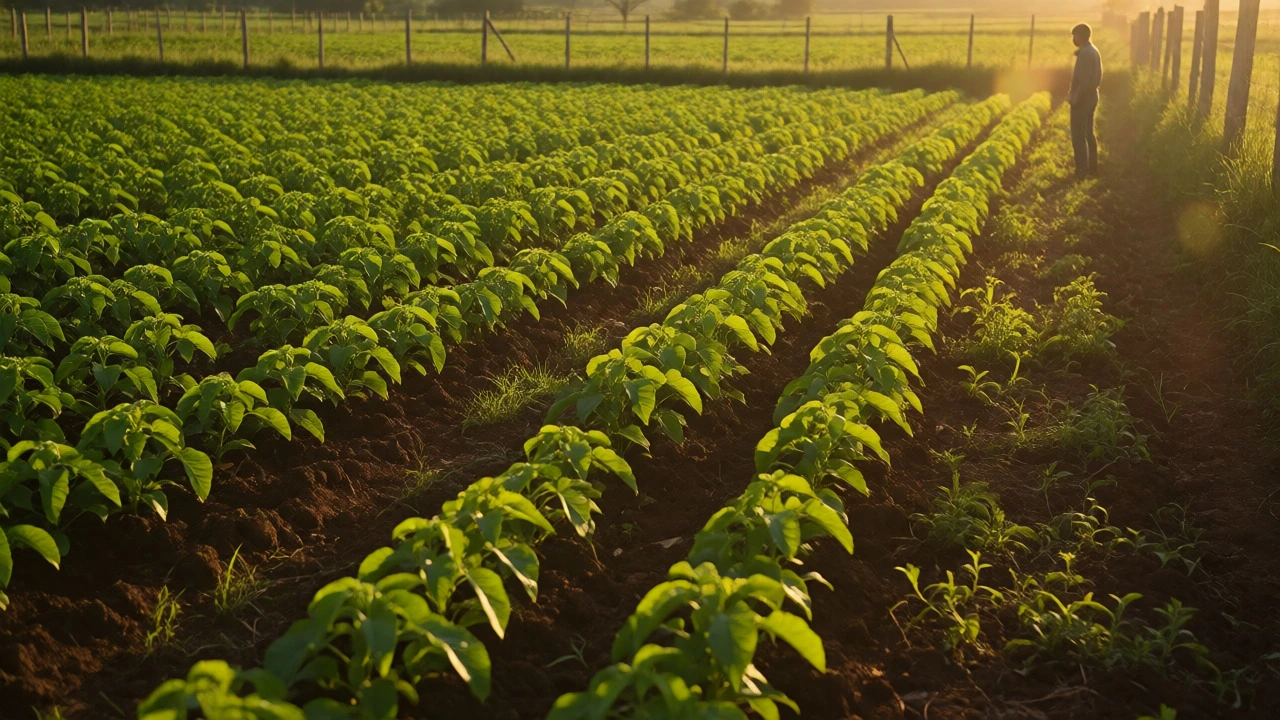
Living in Sydney, I see land prices skyrocketing every year. But drive five hours inland, and the math changes. In New South Wales or Queensland, you can still find rural blocks for under $10,000 per acre. But "rural" here means vast distances from services.
The cheapest Australian land is in the Northern Territory and Western Australia. Prices can drop to $500-$2,000 per acre. But ask yourself: Do you want to live where the nearest hospital is four hours away? Is there reliable internet? Often, the answer is no. Satellite internet helps, but latency kills video calls. For many, the low price reflects the lack of infrastructure, not a market error.
Asia: Southeast Asia’s Hidden Gems
Thailand and Cambodia attract expats, but land ownership laws differ wildly. In Thailand, foreigners cannot directly own land. You need a leasehold agreement or a Thai company structure. This adds complexity and risk. Once you navigate that, prices in rural provinces like Isaan can be surprisingly low-around $2,000-$5,000 per acre for good farmland.
Cambodia allows foreigners to own condominium units but not land directly. However, long-term leases (up to 99 years) are common. Rural land prices are rising fast due to tourism development, but remote areas still offer bargains. Just watch out for land disputes-a major issue in post-conflict regions.
Comparison: Where Does Your Money Go?
To make sense of this, let’s compare typical costs and conditions. Note that these are averages for raw, unimproved land in non-prime locations as of late 2026.
| Region/Country | Avg. Price/Acre (USD) | Primary Use Case | Major Risk Factor |
|---|---|---|---|
| Rural USA (NM/WV) | $2,000 - $6,000 | Homesteading, Hunting | Water scarcity, Mineral rights |
| Paraguay | $300 - $800 | Farming, Investment | Residency requirements |
| Southern Italy | $1,000 - $3,000 | Tourism, Retirement | Bureaucracy, Renovation costs |
| Australian Outback | $500 - $2,500 | Grazing, Mining exploration | Distance from services |
| Rural Thailand | $2,000 - $5,000 | Agribusiness, Leisure | Foreign ownership restrictions |
Hidden Costs That Kill Deals
You found a cheap acre. Great. Now calculate the extras. These three factors often double your initial investment.
- Access: If the land is landlocked (no public road), you need an easement. Negotiating this with neighbors can take years and cost thousands in legal fees.
- Utilities: Connecting to electricity can cost $10-$50 per foot. If the pole is half a mile away, that’s $26,400-$132,000 before you flip a switch. Solar is an alternative, but batteries aren’t cheap.
- Zoning: Agricultural land often prohibits residential construction. You might buy a beautiful field only to discover you can’t build a house on it. Always verify zoning with the local municipality before signing.
How to Buy Cheap Land Safely
Don’t fall in love with the view. Fall in love with the title. Here’s your checklist:
- Visit in Person: Photos lie. Go during the rainy season to check drainage. Visit in winter to see how dark it gets.
- Hire Local Counsel: Don’t rely on the seller’s lawyer. Hire your own independent attorney who speaks the local language and knows local corruption norms.
- Check Easements: Ensure you have legal right-of-way access to a public road.
- Test Soil and Water: Spend $500 on soil tests and well drilling estimates. Bad soil or deep water tables kill farming dreams.
- Verify Taxes: Some countries have high annual property taxes. Others have none. Factor this into your long-term holding costs.
Final Thoughts: Is Cheap Land Worth It?
Buying an acre for $500 sounds like a win until you realize you can’t sell it easily. Liquidity is the trade-off. Cheap land markets are illiquid. You might hold the asset for ten years waiting for a buyer. If you’re buying for lifestyle-privacy, space, self-sufficiency-then yes, go for it. The joy of owning your own patch of earth doesn’t come with a resale value guarantee.
If you’re investing for profit, be careful. Appreciation in remote areas is slow. Focus on regions with improving infrastructure. New roads, fiber-optic cables, or nearby city expansion can triple land values overnight. Watch the map, not just the price tag.
Which country has the absolute cheapest land per acre?
Bolivia and Paraguay often top the list for the lowest nominal prices, with some remote plots selling for under $200 per acre. However, legal complexities and residency requirements can offset these savings for foreign buyers.
Can I buy land in the US for $1,000?
Yes, particularly in states like New Mexico, Arizona, and West Virginia. These are usually remote, undeveloped parcels with limited utilities. Always check for water rights and mineral rights exclusions before purchasing.
Is it safe to buy land in Paraguay as a foreigner?
It can be safe if you follow proper legal procedures. Foreigners generally need permanent residency to own land directly. Working with a reputable local lawyer is essential to ensure clear title and avoid fraud.
Why is land in Italy so cheap?
Rural southern Italy faces depopulation. Young people move to cities, leaving behind abandoned properties. Local governments incentivize buyers to restore these areas, keeping prices low despite the cultural appeal.
What is the biggest hidden cost when buying cheap land?
Utility connection costs, especially electricity and water. Running power lines to remote land can cost tens of thousands of dollars. Additionally, lack of road access requiring easement negotiations is a major financial and legal hurdle.