
Land Purchase Timing & Savings Estimator
Enter your target land value and current month to estimate potential price advantages and seller motivation levels based on Australian seasonal trends.
Enter details to see
seasonal insights.
Estimated Price Potential vs Average
Potential Negotiation Leverage:
You’re staring at a block of dirt that’s been sitting on the market for six months. The seller is getting twitchy. You know you want it, but your gut tells you there’s a better price lurking if you just wait a few weeks. Or maybe you should jump now before someone else does? This isn’t just about patience; it’s about timing. Unlike houses, where curb appeal and staged living rooms drive emotion, vacant land is a cold, hard asset. Its value fluctuates based on utility, access, and-surprisingly-the calendar.
So, when is land actually cheapest? If you live in Sydney or anywhere else in the Southern Hemisphere, the answer isn’t always what you’d expect from standard housing advice. While homes often peak in spring, land behaves differently. It’s less about flowers blooming and more about mud, construction schedules, and tax deadlines. Let’s break down exactly when you can snag a deal, why these patterns exist, and how to exploit them without getting burned.
The Short Answer: Late Winter and Early Spring
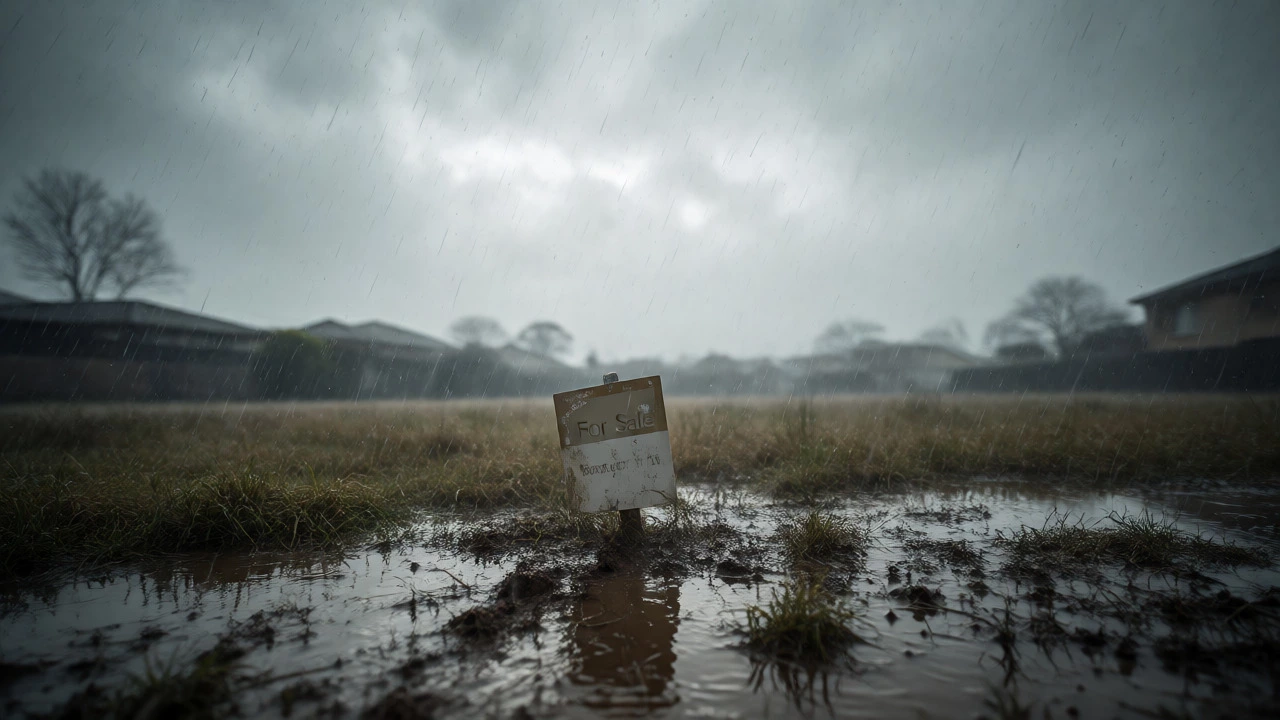
If you want the lowest sticker price, aim for the window between late July and September. In Australia, this is winter bleeding into early spring. Why? Because nobody wants to look at land when it’s raining sideways. Construction crews are idle. Developers aren’t breaking ground because the soil is too wet to support heavy machinery. Sellers who listed their blocks in October (the traditional Australian selling season) are now desperate. They’ve missed the summer rush and don’t want to hold the asset through another year of council rates and maintenance.
This doesn’t mean every block drops in price by 10%. But you’ll find more motivated sellers. A developer trying to clear inventory before financial year-end (June 30) might discount heavily, but that’s a corporate move. For private owners-the ones with inherited blocks or subdivided backyards-winter fatigue is real. They’re tired of fielding calls from people who won’t show up because they hate driving through puddles.
| Season | Buyer Activity | Seller Motivation | Price Potential |
|---|---|---|---|
| Summer (Dec-Feb) | High (Vacation buyers, lifestyle seekers) | Low (Can afford to wait) | Highest (Peak demand) |
| Autumn (Mar-May) | Moderate (Pre-construction planning) | Moderate | Stable |
| Winter (Jun-Aug) | Low (Weather deterrents) | High (Fatigue, tax pressures) | Lowest (Best negotiation leverage) |
| Spring (Sep-Nov) | Rising (Construction season starts) | Increasing |
Why Land Doesn’t Follow House Rules
Here’s where most buyers get tripped up. They read articles saying "buy in winter" or "sell in spring" and assume it applies to everything. It doesn’t. Houses sell on emotion. People fall in love with a kitchen island or a view. Land sells on logic. You’re buying a canvas, not a painting. The factors driving land prices are infrastructure, zoning changes, and construction feasibility.
Think about construction timelines. Builders hate starting projects in the middle of winter. Not just because of rain, but because concrete cures slower, and labor availability drops as tradespeople take holidays or shift to indoor renovation work. If a buyer knows they can’t start building until October, they won’t pay a premium for a block in January. They’ll wait. This lag creates a natural dip in land demand during the coldest months.
Also, consider the inspection factor. Have you ever tried to walk a bush block after three days of heavy rain? You slip. You sink. You can’t see drainage issues because everything is submerged. Serious buyers avoid this. Casual browsers do too. Fewer eyes on the property means fewer competing bids. That silence at auction or open house is your friend.
The Financial Year-End Squeeze (June 30)
In Australia, June 30 is a magic date for investors and developers. It marks the end of the financial year. Companies need to balance books. Individuals face capital gains tax implications. If a developer has ten unsold lots in a new subdivision, they might slash prices in May and June to recognize revenue before the fiscal year closes. They’d rather make $50k profit now than hold an asset that might stagnate over winter.
This is your best shot at a "steal." But be careful. These deals are often quick-fire. You need finance pre-approved and legal ready to go. You won’t have time for a leisurely six-week due diligence period. If you spot a steep drop-off in price around mid-June, ask yourself: Is the seller rushing because they need cash flow, or is there a hidden defect they’re trying to dump?

Regional Differences Matter More Than Seasons
A blanket rule like "buy in August" fails if you’re looking at rural land versus suburban infill. In regional NSW or Queensland, agricultural cycles dominate. Farmers sell land after harvest season, which typically wraps up around March or April. Post-harvest, liquidity improves. Farmers have cash from crops, so they’re less desperate to sell immediately unless debt is high. Conversely, if a bad drought hits, distress sales spike regardless of the month.
For coastal land, tourism seasons play a role. In Byron Bay or the Gold Coast, properties might sit untouched during winter because tourists aren’t visiting. But locals and long-term investors are still active. Don’t assume low traffic means no interest. Sometimes, the quietest periods reveal the most serious buyers. If you’re negotiating against a single other bidder in August, you’re in a much stronger position than fighting five emotional families in November.
How to Spot a Motivated Seller
Timing helps, but reading the seller matters more. How do you know if someone will cut a deal? Look for these signals:
- Days on Market (DOM): If a block has been listed for over 90 days, the initial excitement has faded. The price likely needs adjustment. Check local data portals for average DOM in your suburb. If yours is double the average, negotiate hard.
- Price Drops: Did the listing price change recently? A 5% drop suggests flexibility. A 15% drop screams desperation.
- Vacancy Status: Is the land empty or does it have old structures? Demolishing a derelict shed costs money. If the seller hasn’t cleared it, they might accept a lower offer to save on cleanup costs.
- Reason for Sale: Ask directly. "Are you moving overseas?" "Did you inherit this?" Inherited land owners often prioritize speed over maximum profit, especially if they’re paying upkeep costs on a property they don’t use.

The Risk of Waiting Too Long
There’s a trap in waiting for the "perfect" winter deal. Interest rates. If you’re financing the purchase, your monthly repayments depend on bank rates, not just the land price. A 0.5% rate hike can cost you more over 25 years than saving $10,000 on the purchase price. Monitor the Reserve Bank of Australia’s stance. If rates are trending up, locking in a slightly higher price sooner might beat waiting for a seasonal dip that never comes.
Also, supply constraints. Good land is finite. Once a prime block in a growing suburb is sold, it’s gone forever. If you wait for winter but miss out on the only flat, north-facing block in the area, you might regret it. Use winter as a tactic for negotiation, not a reason to delay your search entirely. Start looking in autumn. Make offers in winter. Close in spring.
Practical Steps for Your Search
Ready to hunt? Here’s your checklist:
- Set Alerts Now: Don’t wait until December. Set up alerts on major property sites for your target suburbs. You want to see inventory levels rise in autumn.
- Visit After Rain: Seriously. Go to the site two days after a heavy storm. Check for pooling water, muddy access roads, and erosion signs. Sellers hate showing land in these conditions, so you’ll have privacy to inspect thoroughly.
- Talk to Neighbors: Knock on doors. Ask if anyone is thinking of selling. Off-market deals often happen in winter when agents are less aggressive. A neighbor might tell you, "Dave next door is fed up with the upkeep," giving you a direct line before the public listing.
- Check Council Rates: Unpaid rates can stall settlements. Ensure the title is clean. In some cases, councils put liens on vacant land for unpaid fees. Factor this into your offer.
FAQs About Timing Your Land Purchase
Is it cheaper to buy land in winter or summer?
Generally, winter (June-August in Australia) offers better pricing opportunities. Demand drops due to poor weather and halted construction activity, leading to longer marketing times and more motivated sellers. Summer sees peak activity and higher competition, often inflating prices.
Does the time of year affect land value?
The intrinsic value doesn't change, but transaction prices do. Seasonal fluctuations impact buyer urgency and seller motivation. In winter, you may secure a lower sale price due to reduced competition, whereas summer listings often attract multiple bids, pushing prices above asking.
What is the worst time of year to buy land?
Late spring and early summer (October-December) are typically the most competitive times. Buyers are eager to start construction before the holiday break, and sellers capitalize on this urgency. Expect higher prices and faster auctions during this window.
Do interest rates matter more than seasonality?
Yes, for financed purchases. A small increase in interest rates can outweigh seasonal savings on the purchase price. Always calculate total loan costs over the term. If rates are rising rapidly, delaying a purchase to wait for a winter dip could cost you more in interest payments.
How can I find off-market land deals?
Drive through target neighborhoods and look for 'For Sale By Owner' signs or neglected blocks. Speak to neighbors and local real estate agents directly. Many owners prefer quiet negotiations during low-activity periods like winter, avoiding the hassle of public inspections.