
Personal Cost of Living Estimator
Estimated Monthly Expenses
Money burns faster in some places than others. If you are looking to stretch your paycheck further, finding the right location is just as important as earning more. The question isn't just about where rent is cheap; it is about where your total monthly expenses-housing, food, transportation, and healthcare-fit comfortably within your budget. For 2026, the data points clearly toward a specific region of the United States that consistently offers the best value for money.
The Clear Winner: Mississippi
When economists crunch the numbers on Mississippi is the state with the lowest overall cost of living in the United States, it tops the list. According to recent indices from major economic research firms like the Council for Community and Economic Research (C2ER), Mississippi’s cost of living index sits significantly below the national average of 100. In fact, it often hovers around 85, meaning your dollar goes roughly 15% further here than in an average state.
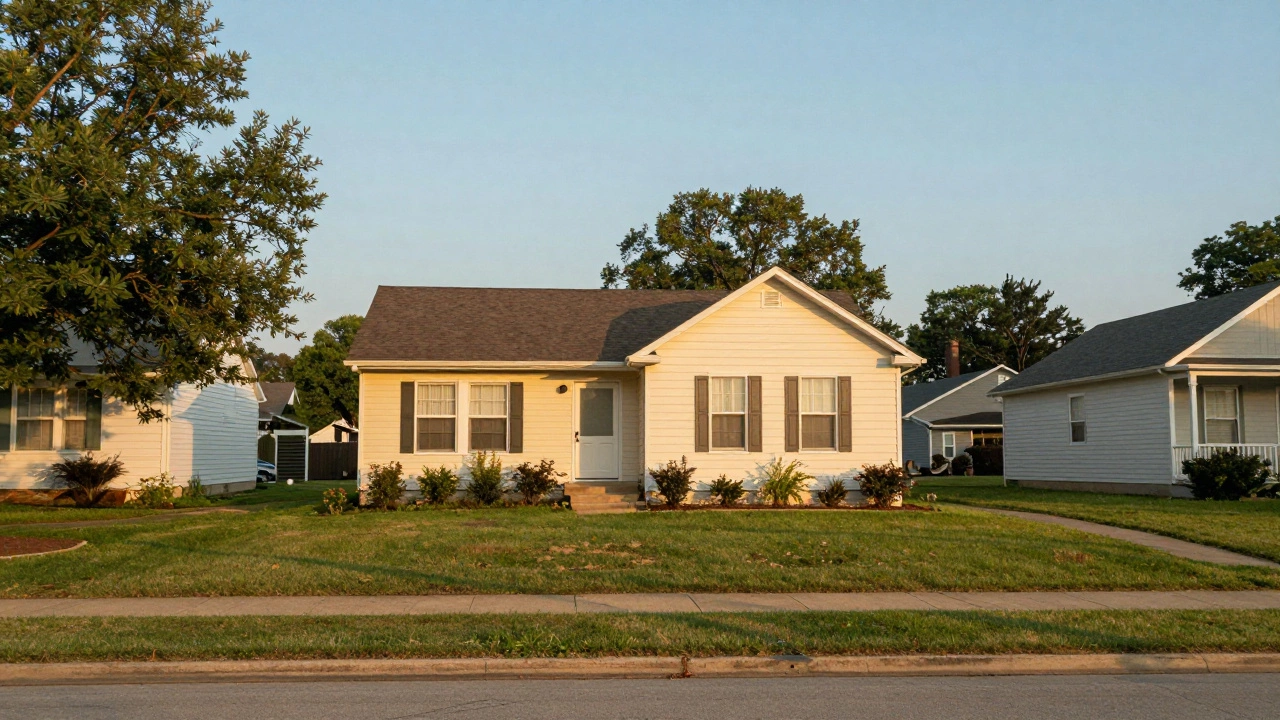
Housing is the biggest driver of this affordability. You can find single-family homes for well under $200,000 in many counties, a figure that has become nearly mythical in coastal or tech-hub states. Rent for a two-bedroom apartment in urban centers like Jackson or Gulfport typically ranges between $700 and $900 per month. This low baseline allows residents to save more, pay down debt faster, or simply enjoy a higher quality of life without the stress of financial insecurity.
Why the South and Midwest Dominate Affordability
It is not just Mississippi. There is a clear geographic trend. The Southern and Midwestern regions of the U.S. offer the most affordable lifestyles. States like Arkansas, Oklahoma, and Alabama follow closely behind. These areas benefit from lower land costs, less restrictive zoning laws, and generally lower demand relative to supply compared to high-growth hubs.
In contrast, states like California, Hawaii, and New York have cost of living indices that exceed 130 or even 140. In these places, you are paying a premium for proximity to entertainment, weather, or high-paying industries. If your job does not require you to be in San Francisco or New York City, staying in those areas creates a significant drag on your net worth.
Key Factors That Lower Your Monthly Bills
To truly understand why certain states are cheaper, you need to look at the components of your budget. It is not just about house prices.
- Housing Costs: This includes mortgage payments, property taxes, and maintenance. Southern states often have lower property tax rates, though they may make up for it with higher insurance premiums in hurricane-prone areas.
- Food Prices: Grocery bills vary by state due to local agriculture and transportation costs. States with robust farming sectors, like Iowa or Kentucky, often see lower produce prices.
- Transportation: Gas prices fluctuate based on state taxes. However, if you live in a walkable city or use public transit, this factor matters less. In spread-out rural areas, car dependency increases costs.
- Healthcare: Medical costs can vary wildly. Some states have lower insurance premiums but fewer specialists, requiring travel for care.

The Hidden Trade-Offs of Low-Cost States
Cheap living comes with compromises. You must weigh the savings against what you might miss out on. Here is what you need to consider before packing your bags.
| Factor | Low Cost (e.g., Mississippi) | High Cost (e.g., California) |
|---|---|---|
| Average Home Price | $180,000 - $220,000 | $600,000 - $800,000+ |
| Property Tax Rate | Low (often < 1%) | Varies (can be > 1.2%) |
| Job Market Diversity | Limited, often manufacturing/agriculture | Highly diverse, tech/entertainment/finance |
| Weather Risks | Hurricanes, tornadoes | Wildfires, earthquakes |
| Social Amenities | Fewer large-scale cultural events | Abundant museums, restaurants, nightlife |
One major consideration is income potential. While your expenses are lower in Mississippi, salaries there also tend to be lower than in coastal states. If you work remotely for a company based in New York or Seattle, you can keep your high salary while enjoying Mississippi’s low costs. This "geo-arbitrage" strategy is one of the most effective ways to build wealth quickly.
Another factor is infrastructure. Rural areas in low-cost states may lack high-speed internet, reliable public transportation, or advanced medical facilities. Before moving, verify that your remote work setup will function smoothly and that emergency services are accessible.
Top 5 Most Affordable States for 2026
Beyond Mississippi, several other states offer exceptional value. Here are the top contenders for those seeking affordable housing and low daily expenses.
- Oklahoma: Known for its low utility costs and reasonable home prices. Oklahoma City provides a solid urban experience without the price tag.
- Arkansas: Offers a mix of rural charm and growing cities like Fayetteville. Food costs are particularly low due to local production.
- Alabama: Birmingham and Huntsville offer decent job markets alongside very low housing costs. Property taxes are among the lowest in the nation.
- Kentucky: With no sales tax on food, groceries become significantly cheaper. The central location makes travel easy.
- Iowa: Often overlooked, Iowa has stable communities, low crime rates, and affordable education options for families.
How to Calculate Your Personal Cost of Living
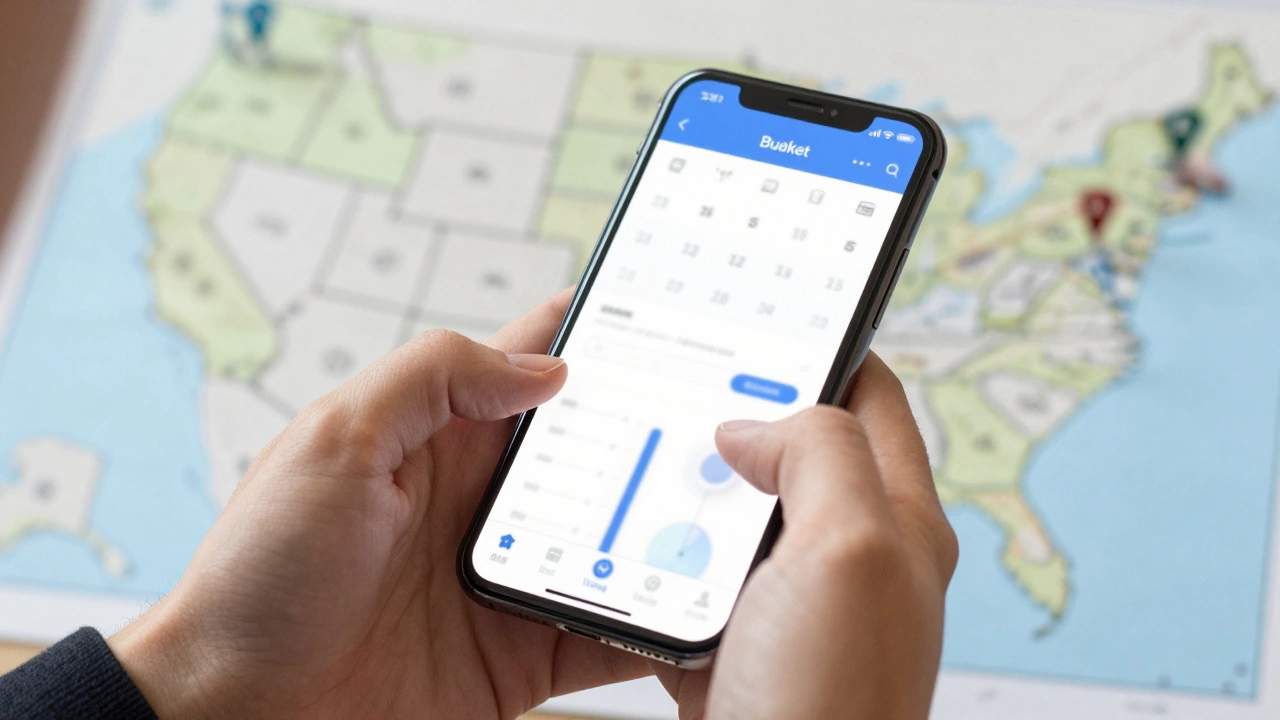
National averages don't tell the whole story. Your personal cost depends on your lifestyle. Use this simple formula to estimate your new monthly budget:
(Current Monthly Expenses) × (New State Index / Current State Index) = Estimated New Monthly Expenses
For example, if you spend $4,000 a month in Texas (index ~95) and move to Mississippi (index ~85):
$4,000 × (85 / 95) ≈ $3,579
This calculation shows potential savings, but always add a buffer for unexpected costs like moving fees, initial home repairs, or higher insurance premiums in storm-prone areas.
Making the Move: Practical Steps
If you decide to relocate for affordability, do not rush. Follow these steps to ensure a smooth transition.
- Visit First: Spend at least a week in your target city. Drive around different neighborhoods. Talk to locals about hidden costs.
- Check Internet Speeds: If you work remotely, test the connection speed in prospective homes. Rural broadband can be unreliable.
- Review Insurance Quotes: Get quotes for auto and home insurance before signing any leases or contracts. Rates can surprise you.
- Assess Job Opportunities: Even if you work remotely, having local backup options reduces risk. Look into local industries and growth trends.
- Understand Local Regulations: Some states have unique laws regarding property rights, tenant protections, or business licensing.
Is Mississippi really the cheapest state to live in?
Yes, Mississippi consistently ranks as the state with the lowest overall cost of living in the U.S. Its housing costs, food prices, and general goods are significantly below the national average, making it the most affordable option for budget-conscious residents.
Which states have the highest cost of living in 2026?
Hawaii, California, and New York typically have the highest costs of living. Hawaii leads due to its island logistics, while California and New York have extremely high housing prices and taxes.
Can I save money by moving to a low-cost state if my salary drops?
It depends on the ratio of salary drop to expense reduction. If your salary decreases by 20% but your expenses drop by 40%, you will likely save more. However, if the salary cut is deeper than the expense savings, you may end up worse off financially.
Are there any hidden costs in low-cost-of-living states?
Yes, potential hidden costs include higher health insurance premiums due to fewer provider options, increased vehicle maintenance from longer commutes, and potentially higher homeowner's insurance in areas prone to natural disasters like hurricanes or tornadoes.
How does property tax affect the overall cost of living?
Property tax is a significant annual expense. States like Alabama and Louisiana have very low property tax rates, which lowers the total cost of owning a home. Conversely, states with high property taxes can offset low purchase prices, so always calculate the full annual ownership cost.