
Utah Land Investment Potential Calculator
Property Details
Analysis Result
Enter property details to see the investment potential analysis.
When people ask what is Utah #1 for, they usually expect a simple answer. Is it the mountains? The salt lakes? Or maybe the tech scene in Salt Lake City? The truth is more complex, but there is one area where Utah truly stands alone: its sheer volume of accessible public land and its status as a global hub for outdoor recreation. If you are looking at land for sale or considering a move to the Beehive State, understanding this unique landscape is crucial.
Utah isn't just a state; it's a geological wonderland that holds the highest concentration of national parks per square mile in the United States. But beyond the tourist brochures, this geography drives everything from property values to economic growth. Let's break down why Utah takes the top spot in several key categories and what that means for you if you're interested in buying land here.
The National Park Capital of the World
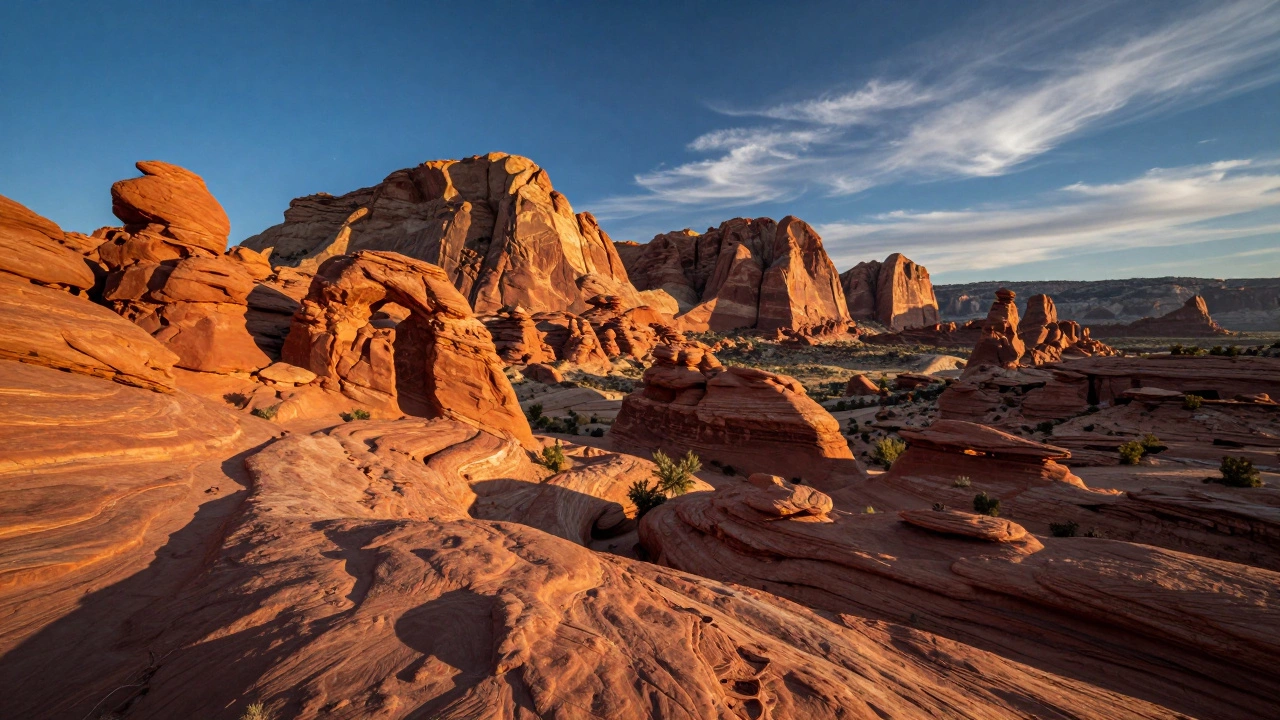
If we talk about tourism and natural beauty, Utah is undeniably number one. It is home to five of the most famous national parks in the country: Zion, Bryce Canyon, Arches, Capitol Reef, and Canyonlands. This cluster is often referred to as "The Mighty Five." No other state has such a dense collection of world-class protected lands.
Why does having so many national parks matter for land buyers?
Proximity to these parks boosts property values significantly. Land near park entrances or scenic byways often appreciates faster than inland properties because of the steady stream of tourists and second-home buyers. However, be aware that strict zoning laws may limit development near these protected areas to preserve the viewshed and environment.
This reputation attracts millions of visitors annually. For someone looking at land for sale, this means high demand for vacation rentals, campgrounds, and even remote work retreats. The infrastructure built to support these tourists-roads, hotels, restaurants-also benefits local residents, making rural areas more livable than in many other parts of the country.
A Leader in Outdoor Recreation and Lifestyle
Utah consistently ranks first in surveys about quality of life related to outdoor activities. According to various lifestyle indexes, Utahns spend more time outdoors than any other state. This isn't just hiking; it includes skiing, mountain biking, rock climbing, and snowboarding. The Wasatch Range offers some of the best ski resorts in North America, while the red rock deserts provide endless trails for summer adventures.
This active lifestyle is a major selling point for young professionals and families moving to the state. Companies like Google, Adobe, and Amazon have expanded their presence in Utah partly because employees want access to this kind of environment. When you buy land in Utah, you're not just buying dirt; you're buying access to a lifestyle that prioritizes health and nature. This demographic shift drives up demand for residential plots, especially those with trail access or views.
Economic Growth and Tech Innovation
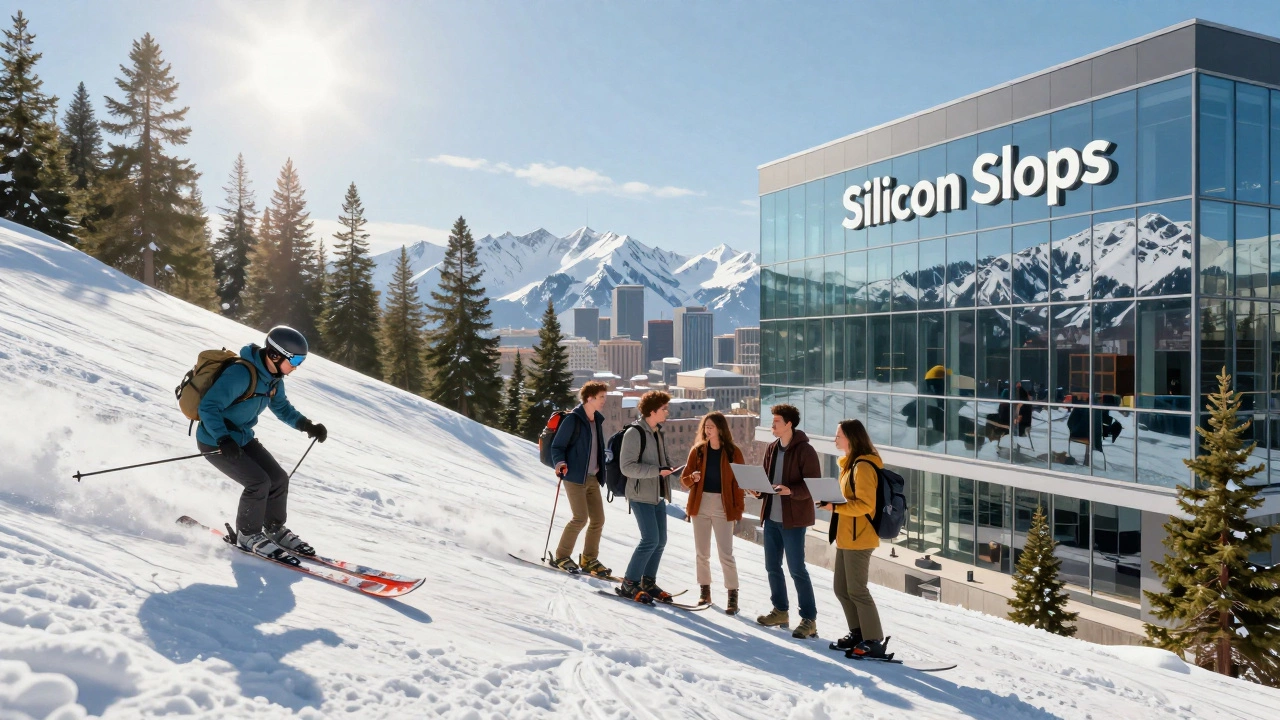
While the scenery gets all the attention, Utah's economy is quietly becoming one of the strongest in the nation. Often called "Silicon Slopes," the region around Salt Lake City and Provo has seen explosive growth in technology startups. This economic boom creates jobs, which in turn increases demand for housing and land.
For investors, this is a critical factor. A strong job market means people have money to spend on homes and land. Unlike some states that rely heavily on a single industry, Utah has a diversified economy including aerospace, finance, and manufacturing. This stability makes it a safer bet for long-term real estate investments. If you are looking at commercial land for sale, consider areas near university campuses or tech hubs, as these zones are likely to see continued development.
Public Land Access and Ownership
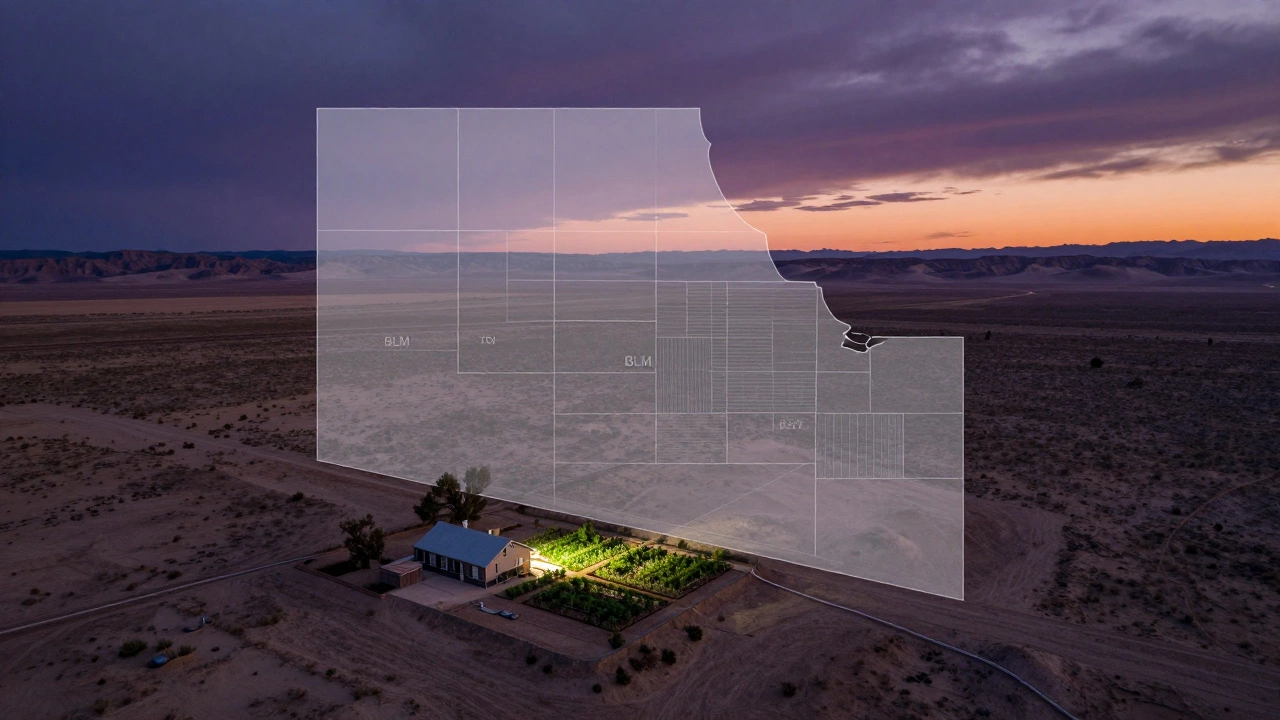
Here is where things get interesting for land buyers. Utah has a unique mix of private and public land. Approximately 60% of Utah's land is owned by the federal government, managed by agencies like the Bureau of Land Management (BLM) and the U.S. Forest Service. This means you have incredible access to vast open spaces without needing to own them. You can hike, hunt, and camp on public land right next to your private property.
However, this also means less land is available for private purchase compared to states in the East. When you find land for sale in Utah, it might be more expensive per acre due to scarcity. Additionally, water rights are a huge deal here. In arid regions, owning land doesn't automatically mean you have water. Always check if the parcel comes with valid water rights, as this can make or break the usability of the land for agriculture or residential use.
| Factor | Impact on Value | Consideration for Buyers |
|---|---|---|
| Proximity to National Parks | High Increase | Higher price, but better rental potential. |
| Water Rights | Critical | Verify rights before purchasing; no water = limited use. |
| Zoning Restrictions | Variable | Check local county rules; some areas restrict short-term rentals. |
| Tech Hub Proximity | Moderate Increase | Good for commuter homes or office space development. |
Challenges and Considerations
It’s not all sunshine and red rocks. Buying land in Utah comes with challenges. The climate is arid, meaning irrigation costs can add up if you plan to build a garden or farm. Wildfires are a growing concern, especially in forested areas. Make sure to check the fire risk rating of any parcel you are considering.
Another issue is rapid population growth. While this drives prices up, it can also lead to traffic congestion and strain on local resources. Areas that were quiet and rural just five years ago might be seeing new subdivisions pop up. If you are buying for privacy, look further out from the main urban centers like Salt Lake City, Provo, or St. George.
How to Start Your Search
If you are serious about buying land in Utah, start by defining your goal. Are you looking for a weekend getaway, a place to build a primary residence, or an investment property? Each goal requires a different approach.
- For Primary Residence: Focus on schools, commute times, and community amenities. Look at counties like Summit or Davis for family-friendly environments.
- For Investment: Target areas near growing tech hubs or popular tourist destinations. Moab and Park City are prime examples, though prices are higher.
- For Privacy/Nature: Explore eastern Utah or remote parts of the west. Be prepared for longer drives and fewer services nearby.
Work with a local real estate agent who specializes in land. They will know about hidden gems, upcoming developments, and specific county regulations that could affect your plans. Don't rely solely on online listings; visit the land in person if possible. Seeing the terrain, checking the soil, and feeling the vibe of the area is invaluable.
Final Thoughts on Utah's Appeal
So, what is Utah #1 for? It is #1 for combining natural beauty with economic opportunity. It offers a lifestyle that balances adventure with modern convenience. For land buyers, this means a dynamic market with both risks and rewards. By understanding the unique factors driving value in Utah-from national parks to tech jobs-you can make smarter decisions and find the perfect piece of land to call your own.
Is Utah a good place to buy land for retirement?
Yes, many retirees choose Utah for its low crime rates, affordable healthcare, and active lifestyle options. Places like St. George offer warm weather and golf courses, while Park City provides luxury amenities. Just ensure the location matches your mobility needs and desired pace of life.
What are the property taxes like in Utah?
Utah has relatively low property taxes compared to other states. The average effective property tax rate is around 0.59%, which is below the national average. This can save you thousands of dollars annually, making it an attractive option for landowners.
Can I build a house on any land I buy in Utah?
Not necessarily. Zoning laws vary by county and city. Some parcels are zoned for agricultural use only, while others may require minimum lot sizes for residential construction. Always check with the local planning department before purchasing to ensure your intended use is allowed.
How does water scarcity affect land ownership in Utah?
Water is a precious resource in Utah. Owning land does not guarantee access to water. You must verify if the property has existing wells, rights to surface water, or connections to municipal systems. Lack of water rights can severely limit the land's utility and resale value.
Are there incentives for buying land in rural Utah?
Some counties offer tax abatements or grants for developing rural properties, especially if you plan to create jobs or preserve open space. Check with local economic development offices for specific programs that might apply to your project.