
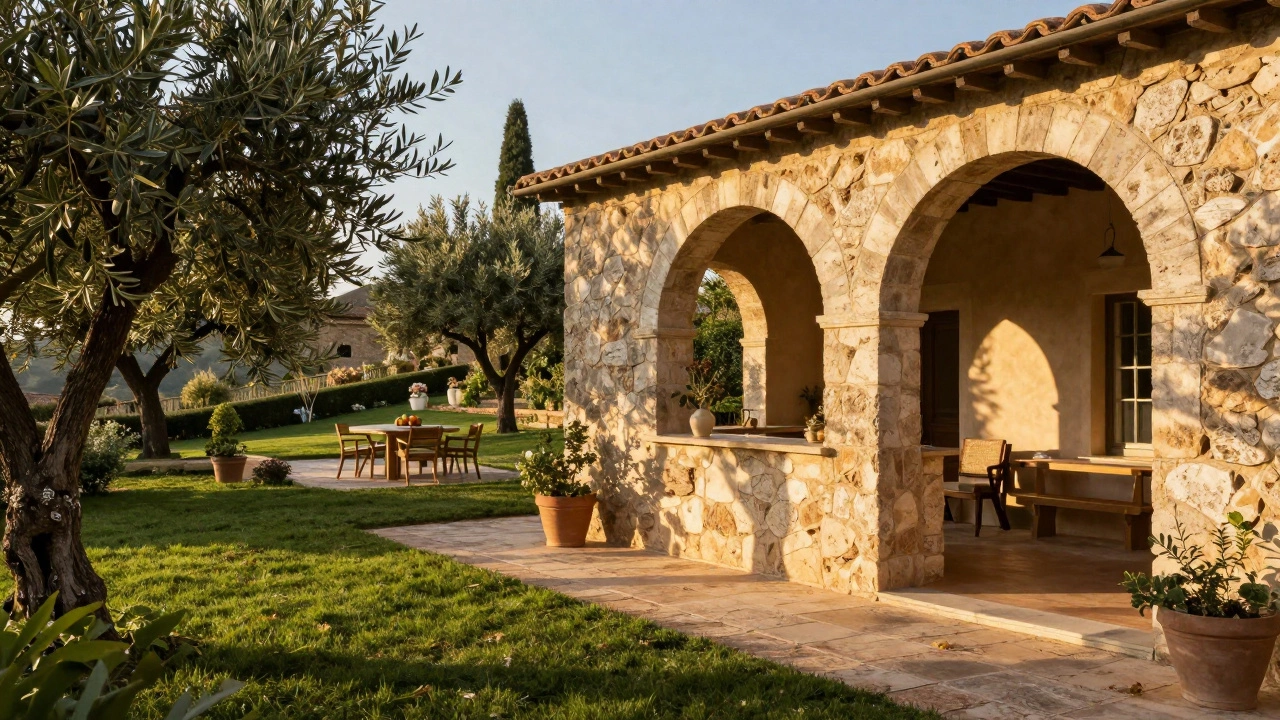
When you hear the word villa, you probably picture a white-washed building with a tiled roof, a private pool, and maybe a view of the ocean. But that’s just the surface. So what’s the real purpose of a villa? It’s not just a big house with a fancy name. A villa is designed for a specific way of living-one that blends privacy, space, and lifestyle in a way most homes don’t.
It’s Not Just a House
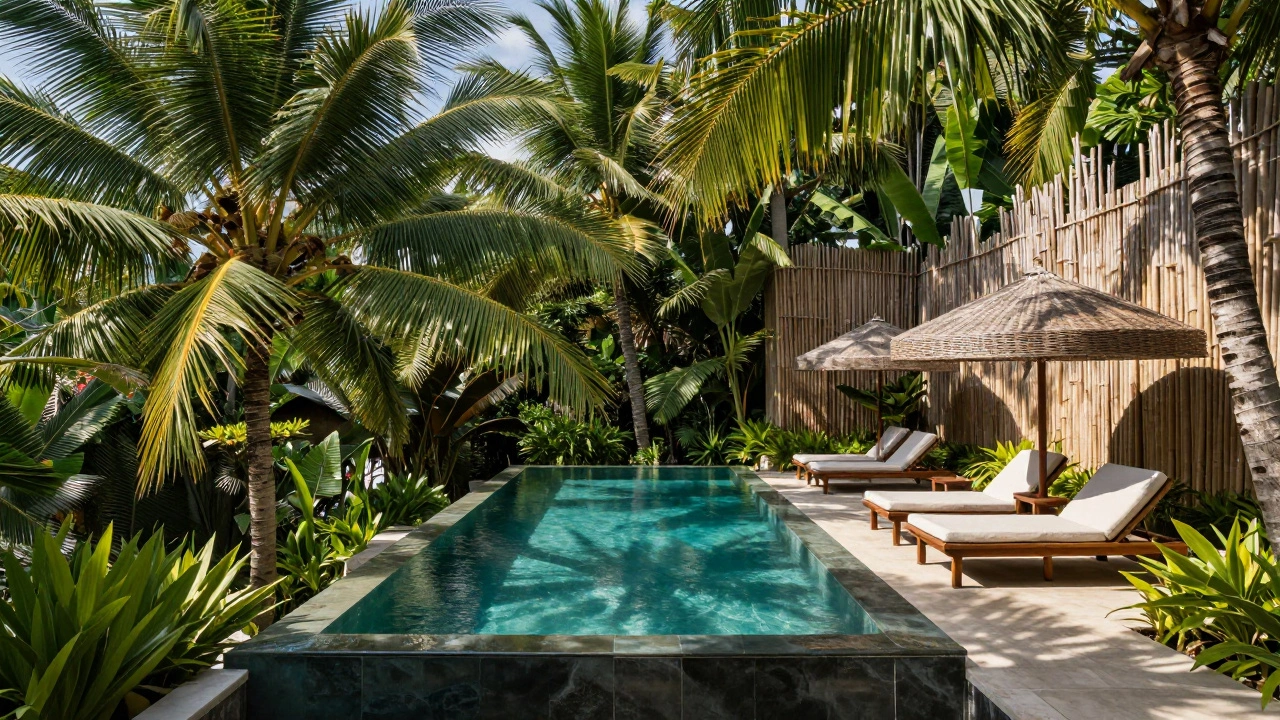
A house is built to shelter people. A villa is built to elevate them. While a typical home focuses on functionality-three bedrooms, a kitchen, a garage-a villa starts with experience. It’s meant to be a retreat. A place where you don’t just live, but unwind. Where the architecture itself invites calm. Where outdoor living isn’t an afterthought, it’s the main event.Think about it: most houses have a backyard. Villas have courtyards, terraces, gardens, and infinity edges that blur the line between inside and out. A villa doesn’t just have a pool-it has a pool area with sun loungers, a bar, maybe a shaded cabana. It doesn’t just have a garden-it has landscaped zones for quiet reading, outdoor dining, or morning yoga.
Privacy as a Design Principle
One of the biggest differences between a villa and a standard home is privacy. In a suburban neighborhood, your neighbors are close. You hear their dog bark, see their lights on at night, maybe even catch snippets of their conversations. A villa, by design, avoids that. It’s often built on its own plot-sometimes several acres-with high walls, dense planting, or natural barriers like hills and trees.This isn’t just about being secluded. It’s about control. You control the noise. You control the light. You control who enters. That’s why villas are so popular with high-profile individuals, retirees looking for peace, or families who want space without the crowds. In places like Bali, the Amalfi Coast, or even parts of Sydney’s Northern Beaches, villas are chosen not because they’re expensive, but because they offer something no townhouse or apartment can: true isolation without sacrificing luxury.
Designed for Lifestyle, Not Just Living
A villa doesn’t ask you to adapt to its layout. It adapts to you. Many villas have open-plan living areas that flow into outdoor spaces. Kitchens are built for entertaining, not just cooking. Bedrooms often open onto private patios. Some even have dedicated spa rooms, wine cellars, or home theaters.Take a typical villa in Tuscany. It might have a stone-walled kitchen where you cook with ingredients from your own garden. A dining terrace that catches the sunset. A reading nook under an archway with a view of olive trees. This isn’t accidental. Every element is chosen to support a slower, more intentional rhythm of life.
Compare that to a standard suburban home. Most are built to maximize square footage on a small lot. Bedrooms are cramped. The backyard is barely big enough for a grill. The driveway eats up half the land. Villas flip that. They sacrifice density for depth. They give you room to breathe.
More Than a Vacation Home
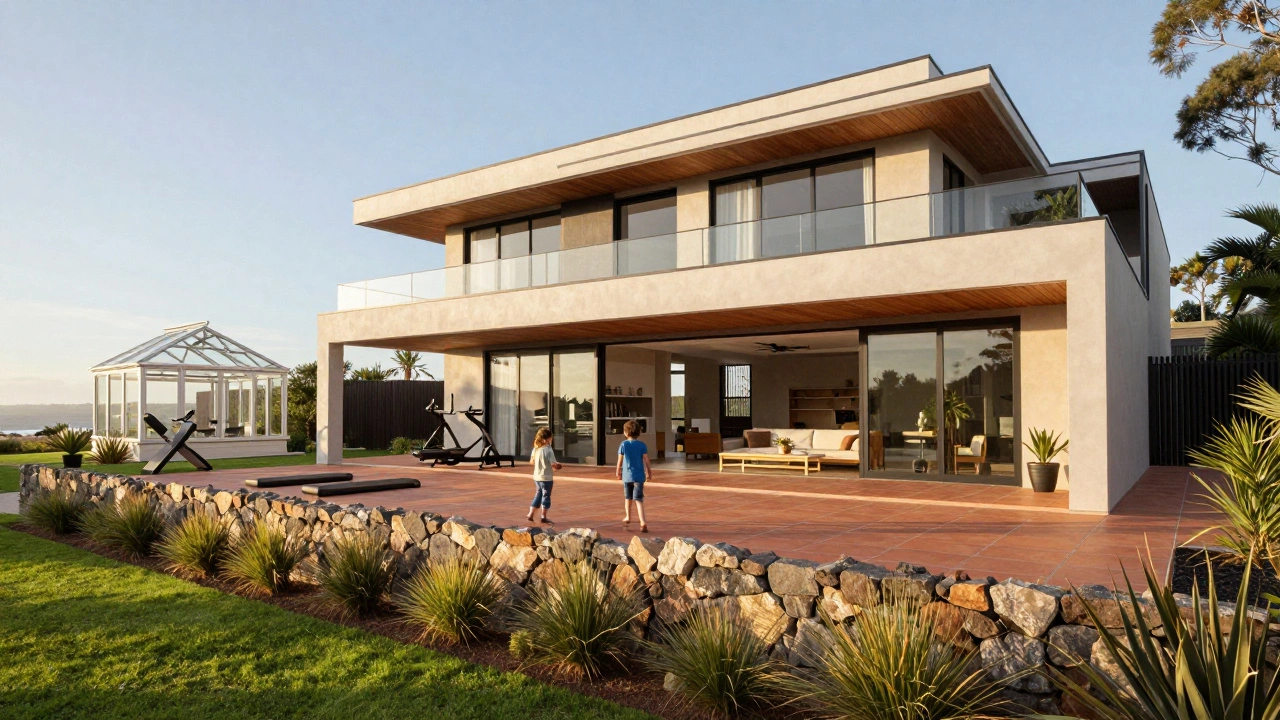
A lot of people think villas are only for holidays. That’s a myth. Sure, many villas are rented out as luxury vacation rentals. But a growing number are full-time residences. In coastal areas, retirees are moving into villas because they offer low-maintenance living with high comfort. In cities like Sydney, wealthy families are building villas on large lots in places like Mosman or Cronulla-not as weekend getaways, but as their primary homes.Why? Because villas offer a rare combination: space, security, and serenity. You can have a home gym, a studio, a greenhouse, and still have room for kids to run around without hitting a fence. You don’t need to drive to a park because your backyard is your park.
Why People Choose Villas Over Houses
Here’s the real breakdown:- Space: Villas usually sit on 1,000-10,000 sqm of land. Houses? Often under 800 sqm.
- Privacy: Villas are single-occupancy estates. Houses are part of neighborhoods.
- Design: Villas are custom-built or architecturally unique. Houses follow standard floor plans.
- Outdoor Living: Villas treat outdoor areas as extensions of the home. Houses treat them as afterthoughts.
- Maintenance: Many villas come with managed grounds, pools, and security-something most houses don’t offer.
That’s why villas often hold their value better than standard homes. They’re not just real estate. They’re lifestyle assets.
Who Really Buys Villas?
It’s not just the ultra-rich. While luxury villas in Dubai or Saint-Tropez can cost millions, there’s a growing market for affordable villas too. In regional Australia, you can find fully furnished villas on 2,000 sqm blocks for under $1.2 million. These aren’t palaces-they’re smartly designed homes with private gardens, secure fencing, and quiet locations.Retirees love them because they offer independence without isolation. Families choose them for the safety and space. Digital nomads are buying them as long-term bases because they offer reliable internet, quiet workspaces, and room for guests.
The common thread? People who want more than a roof over their head. They want a place that reflects how they want to live-not just how they have to live.
What You Should Consider Before Buying
If you’re thinking about buying a villa, here’s what most people overlook:- Land use restrictions: Some villas are on land zoned for tourism, not permanent residency. Check local council rules.
- Maintenance costs: A large garden, pool, and security system aren’t free. Budget for ongoing care.
- Access: Is the villa on a private road? Is there reliable public transport? Can emergency services reach it easily?
- Resale value: Villas are niche. Make sure there’s demand in that area. A villa in a remote area might be hard to sell.
- Climate: A villa with no insulation or cooling in Queensland will be unbearable in summer. Design matters as much as size.
Don’t buy a villa because it looks pretty in a photo. Buy it because it fits how you want to live-today and ten years from now.
Final Thought: A Villa Is a Statement
At its core, the purpose of a villa is simple: to give you control over your environment. It’s not about showing off. It’s about creating a space where you feel completely at ease. Where the walls don’t just keep out the weather-they keep out the noise of the world.If you’re looking for a home that doesn’t just accommodate your life but enhances it, then a villa isn’t just a property. It’s the answer.