
Villa Authenticity Checker
Is it a true Villa or just a large house? Check these key criteria based on architectural standards and market positioning.
Assessment Result
You’re scrolling through listings, and suddenly you see it: a sprawling single-story home with a pool, set back from the road behind high hedges. The listing calls it a "villa." But wait-another listing down the street, slightly smaller but with similar amenities, calls itself a "detached house." Is there actually a difference, or are agents just using fancy words to justify higher prices?
Here’s the truth: Villa is not a legally distinct building type in most jurisdictions like "condo" or "townhouse" might be. Instead, it’s a classification based on architecture, lifestyle, and market positioning. If you’re shopping for villas for sale, understanding what truly qualifies as a villa helps you avoid overpaying for marketing fluff and ensures you get the specific living experience you want.
The Core Definition: It’s About More Than Size
Historically, a villa referred to an upper-class country house in ancient Rome. Today, that meaning has evolved but kept its essence: exclusivity and space. While a standard suburban detached house focuses on efficiency and neighborhood density, a villa prioritizes privacy, indoor-outdoor flow, and architectural distinctiveness.
Think of it this way: every villa is a detached house, but not every detached house is a villa. The distinction lies in the intent of the design and the quality of the environment. If a home feels like a resort where you live, rather than just a place to sleep between commutes, you’re likely looking at a villa.
Architectural Criteria: What Does a Villa Look Like?
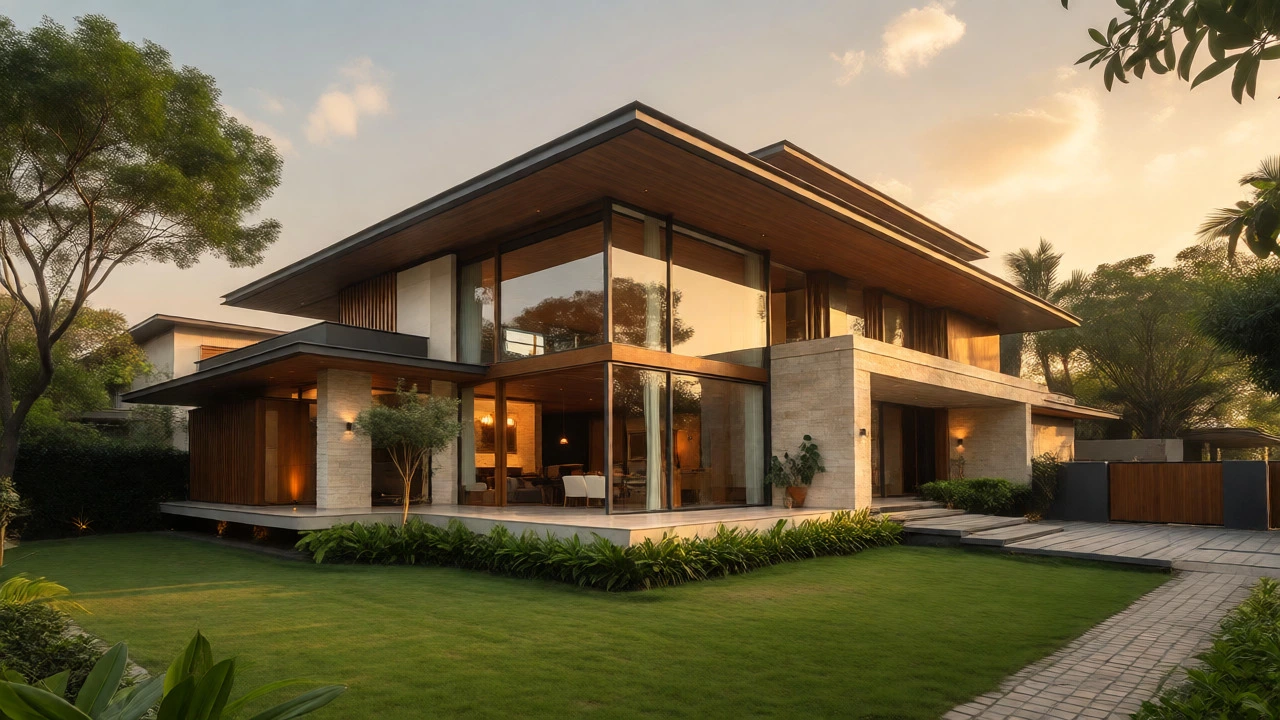
Architecture is the first filter. You can’t call a boxy, two-story brick home with a tiny backyard a villa, no matter how much you want it to be. Real villas share specific structural traits that signal their status.
- Single-Story Dominance: While multi-story villas exist (especially in Europe), the classic modern villa often emphasizes horizontal lines. This creates a stronger connection to the land and easier accessibility.
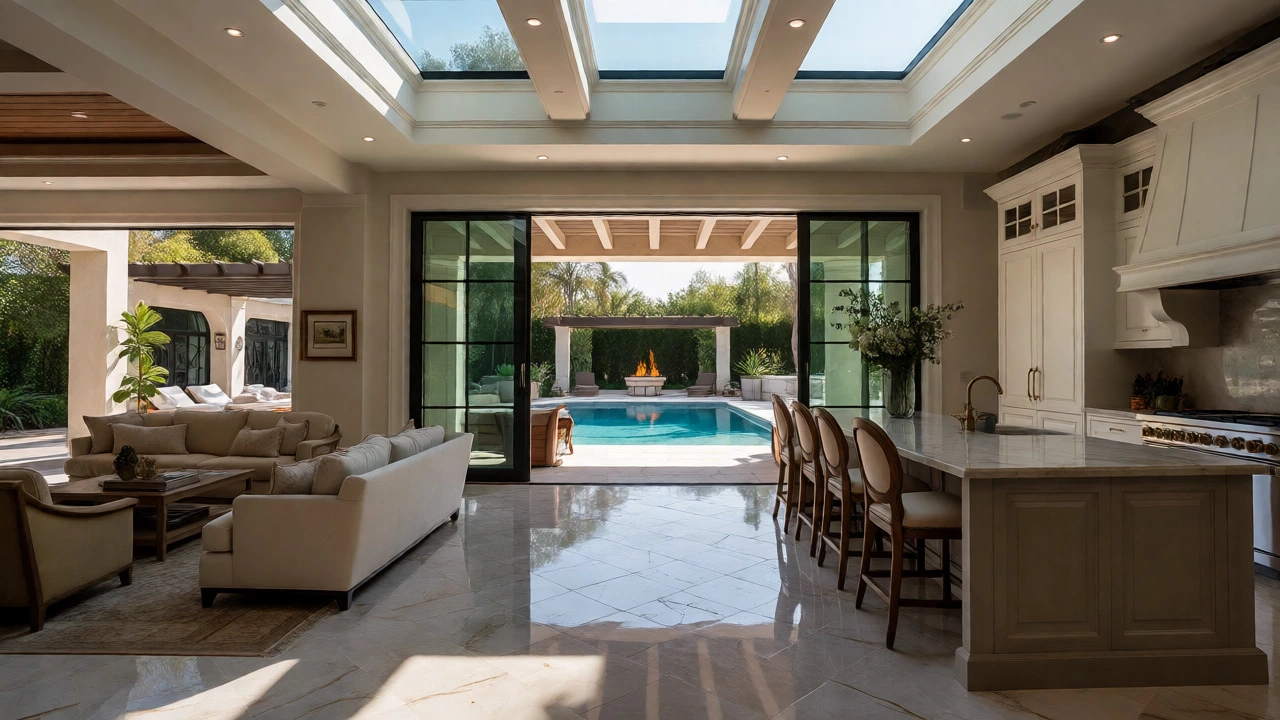
- Open Floor Plans: Walls are minimal. Kitchens flow into dining areas, which flow into living rooms. This isn’t just a trend; it’s a core villa feature designed for entertaining and seamless movement.
- High Ceilings and Natural Light: Standard homes have 8-foot ceilings. Villas typically feature 10-foot ceilings or higher, large windows, skylights, or glass walls. The goal is to make the interior feel expansive and connected to the outdoors.
- Premium Materials: Expect stone, wood, glass, and stucco. Vinyl siding is rare in true villas. The exterior finish should look durable and aesthetically pleasing without constant maintenance.
If you walk into a home and immediately notice how the light moves through the space, or if the kitchen island seats six people comfortably while facing a garden view, you’re seeing villa architecture in action.
Land and Location: The Privacy Factor
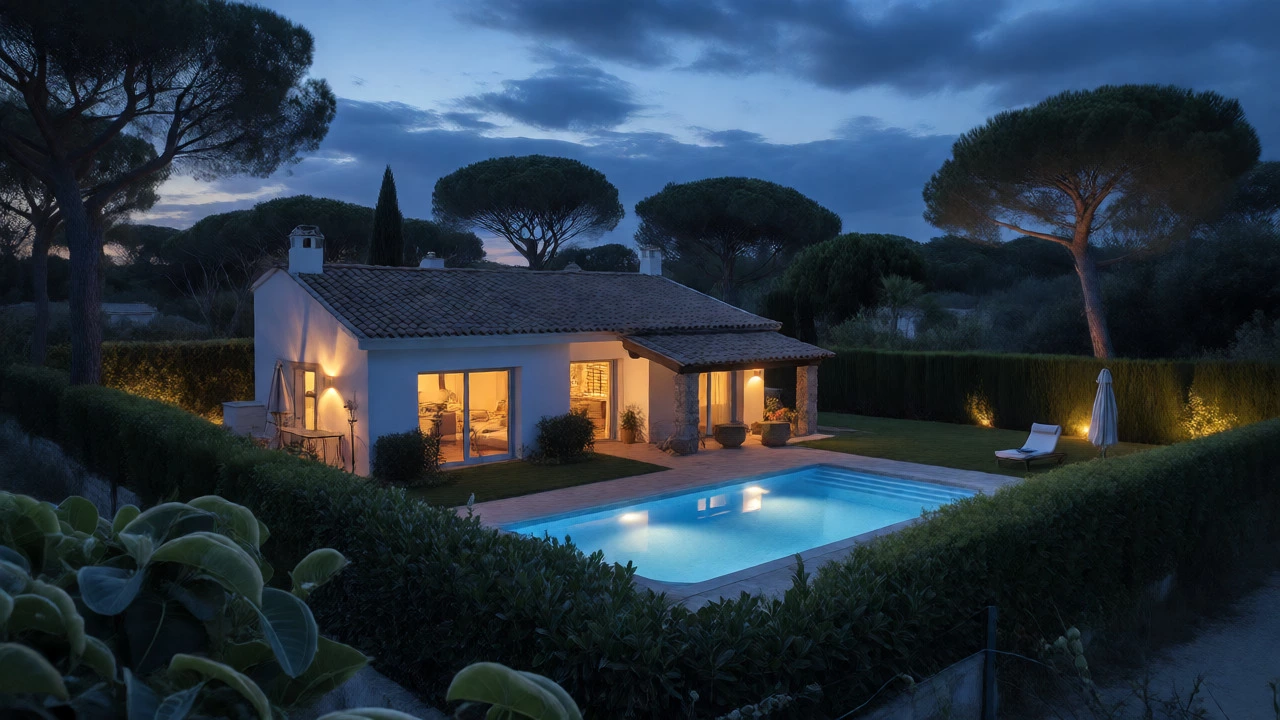
A villa needs room to breathe. This is perhaps the most critical criterion. In dense urban areas, a "villa" might be a misnomer if it sits on a narrow lot shared closely with neighbors. True villas require significant land area relative to the building footprint.
| Feature | Standard Detached House | Villa |
|---|---|---|
| Lot Size | Minimal setback, close to neighbors | Generous setbacks, buffer zones |
| Privacy | Fenced yard, visible from street | Hedged, gated, secluded |
| Outdoor Space | Lawn for play or aesthetics | Living extension (patios, pools) |
| Access | Public street parking | Private driveway, garage integration |
Location matters too. Villas are rarely found in the middle of a busy commercial district. They thrive in suburbs, coastal areas, or rural estates. If a property claims to be a villa but backs onto a highway or shares a wall with a neighbor despite being called "detached," question the label.
Amenities: The Lifestyle Upgrade
This is where the price tag jumps. Villas aren’t just about shelter; they’re about leisure. The criteria here shift from structural necessity to lifestyle enhancement. When evaluating villas for sale, look for these non-negotiables:
- Private Outdoor Living: A simple patio isn’t enough. Look for extensive decking, pergolas, outdoor kitchens, or fire pits. The outdoor area should function as a second living room.
- Water Features: A swimming pool is almost synonymous with the term "villa." Even if it’s small, the presence of water adds to the resort-like feel. Some luxury villas include spas or hot tubs integrated into the design.
- Garage Capacity: Most villas accommodate at least two cars, often three. The garage shouldn’t feel cramped. Bonus points for direct access to the kitchen or mudroom, facilitating easy grocery unloading.
- Smart Home Integration: Modern villas often come pre-wired for automation. Lighting, security, climate control, and audio systems should be controllable via smartphone. This tech layer supports the ease-of-living promise of a villa.
Don’t confuse "amenities" with "clutter." A villa should feel curated, not stuffed. Built-in storage, custom cabinetry, and hidden appliances contribute to the clean, spacious aesthetic that defines the category.
Market Positioning: Price and Prestige
Let’s talk money. Because villas offer more space, better finishes, and greater privacy, they command a premium. According to recent real estate trends, villas often sell for 20-40% more per square foot than comparable detached homes in the same zip code. Why? Scarcity.
Builders produce thousands of standard houses annually. Villias are often custom-built or part of exclusive developments with limited units. This scarcity drives value retention. If you’re buying a villa, you’re not just buying a home; you’re buying into a niche market with less supply pressure.
However, beware of the "fake villa." Developers sometimes slap the label on larger-than-average tract homes to boost perceived value. To verify, compare the price per square foot against nearby standard homes. If the premium is marginal (<5%), it’s likely just a big house, not a true villa. If the premium is significant (>15%), check if the extra cost comes from genuine upgrades in materials, land size, or location.
Legal and Zoning Nuances
Zoning laws vary wildly by region. In some places, like certain parts of Spain or Italy, "villa" has historical legal implications regarding tax status or heritage protection. In the US or UK, it’s largely a marketing term. Always check local zoning regulations before assuming a property’s classification affects your taxes or resale potential.
For example, some HOAs (Homeowners Associations) restrict modifications to villas to maintain uniformity. Others allow more freedom because villas are often standalone properties outside strict HOA boundaries. Verify whether the property falls under strict covenants that might limit your ability to add a pool or expand the deck later.
How to Spot a Genuine Villa: A Checklist
Ready to tour properties? Use this quick checklist to separate the real deals from the marketing hype.
- Check the Setbacks: How far is the house from the street and neighboring fences? Less than 10 feet usually disqualifies it from true villa status.
- Test the Flow: Walk from the front door to the backyard. Are there barriers? Or does the space open up naturally?
- Inspect the Exterior: Look for high-quality finishes. Peeling paint or cheap vinyl suggests a standard build.
- Evaluate the Lot: Is the land flat, sloped, or wooded? Unique terrain often enhances villa appeal, whereas a generic rectangular plot suggests subdivision housing.
- Ask About History: Was it custom-built? Who was the architect? Provenance adds credibility to the "villa" claim.
Remember, the best villa is one that matches your lifestyle. If you hate maintaining a pool, don’t buy one just because it checks the "villa" box. If you love hosting, prioritize the outdoor kitchen and entertainment zones.
FAQ
Is a villa always expensive?
Not necessarily, but it usually carries a premium. While luxury villas can cost millions, modest villas exist in developing markets or older neighborhoods. The key is comparing the villa to other homes in its immediate area. A "modest" villa might still cost more than a starter home but offers significantly more value in terms of space and privacy.
Can a townhouse be considered a villa?
Rarely. Townhouses share walls with neighbors, which contradicts the core villa principle of independence and privacy. However, some developers use "village townhomes" or similar terms loosely. Strictly speaking, a villa should be detached.
Do I need a pool to call my home a villa?
While a pool is common, it’s not mandatory. A large garden, extensive patio, or unique landscape design can substitute for water features. The defining factor is the quality of outdoor living space, not specifically the presence of a swimming pool.
Are villas harder to sell than regular houses?
The buyer pool is smaller, so sales cycles can be longer. However, demand for high-quality, private residences remains strong among affluent buyers and retirees. Proper pricing and staging highlighting the lifestyle benefits usually mitigate slow sales risks.
What is the difference between a mansion and a villa?
Size and grandeur define mansions, while style and setting define villas. A mansion is typically very large (often 5,000+ sq ft) with multiple stories and formal rooms. A villa focuses on relaxed elegance, indoor-outdoor flow, and privacy, regardless of total square footage. A small, beautifully designed home on a large lot is a villa; a massive, imposing structure is a mansion.