
Private Villa Total Cost of Ownership Calculator
Property Details
Estimated Annual Ownership Costs
Based on industry standards for private villas:
-
Maintenance & Upkeep
Repairs, gardening, pool care $0 -
Insurance Premiums
Structure, liability, contents $0 -
Utilities & Energy
Electricity, water, internet $0 -
Property Taxes/Rates
Council rates based on land value $0
This is approximately 0% of the property value annually. *Note: Does not include mortgage principal or interest.
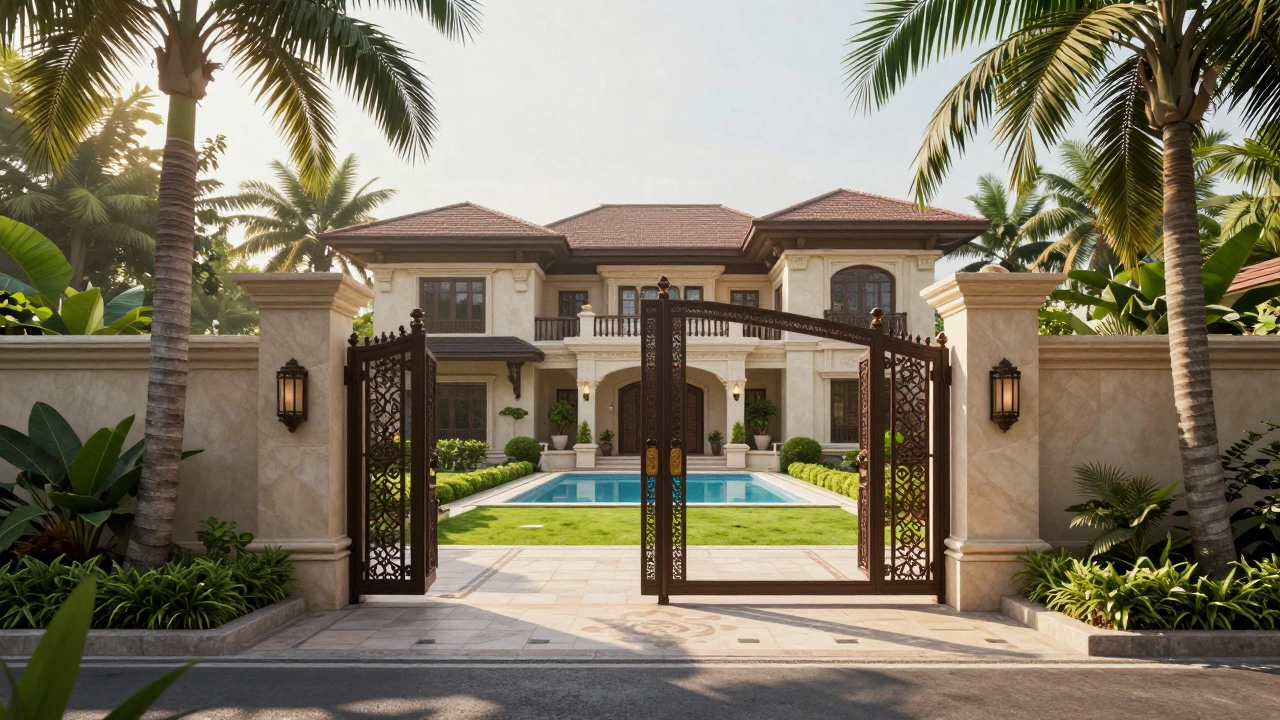
Picture this: you walk through a heavy, secure gate. The street noise fades instantly. You are surrounded by your own garden, perhaps a pool, and absolutely no shared walls with neighbors. This isn't just a big house; it is the essence of what people mean when they ask, what is a private villa? It is more than square footage or a fancy address. It is a specific type of property designed for total autonomy, privacy, and often, a connection to the outdoors that apartments simply cannot match.
If you are looking at villas for sale, especially in high-demand markets like Sydney, Dubai, or Bali, understanding the technical and lifestyle differences between a "villa" and a standard "detached home" is crucial. One might be a marketing term; the other is a legal and structural reality. Let's break down exactly what defines this asset class, why it commands a premium, and what you need to know before signing on the dotted line.
The Core Definition: More Than Just a Detached House
In strict real estate terms, a private villa is a standalone residential building that typically includes extensive outdoor living spaces, private land, and distinct architectural features emphasizing luxury and seclusion. While all private villas are detached houses, not all detached houses are villas. The distinction usually lies in the scale of the grounds, the exclusivity of the setting, and the level of self-containment.
A standard suburban detached home sits on a lot. A private villa sits on an estate, even if that estate is small. Key attributes include:
- Total Privacy: No shared walls, fences, or roofs with immediate neighbors. The boundary lines are clearly defined and respected.
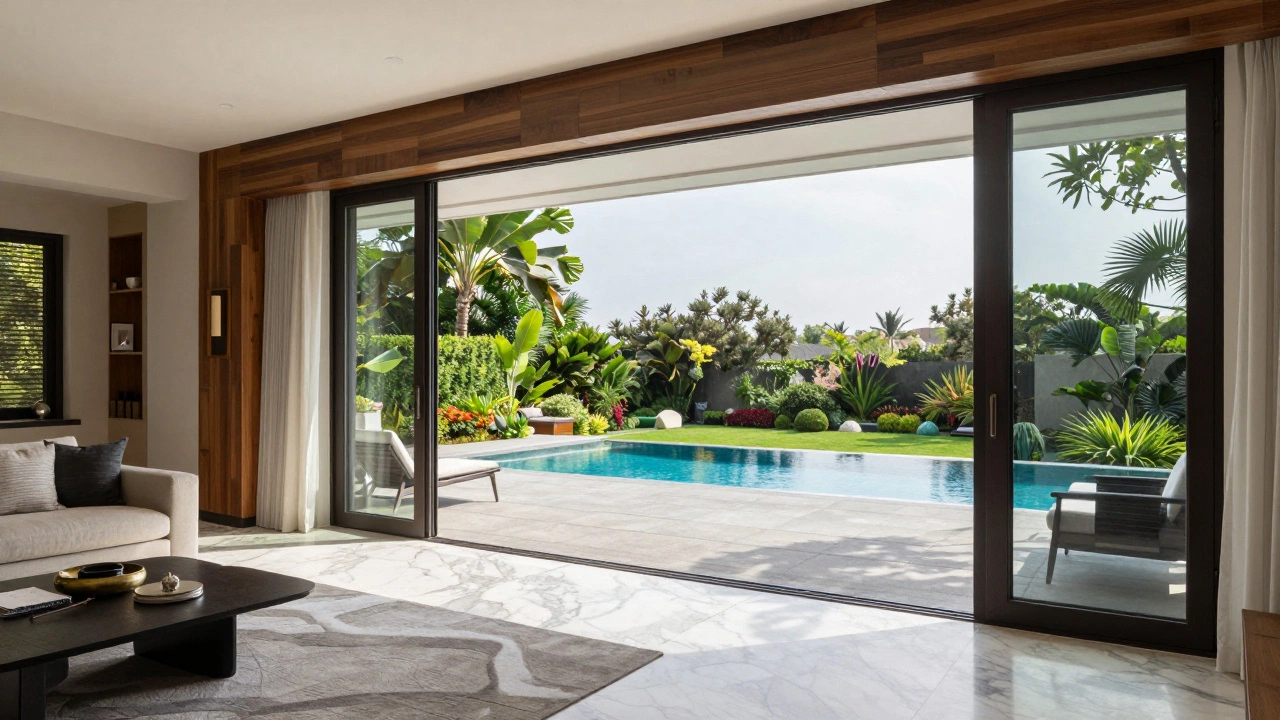
- Outdoor Integration: Large gardens, terraces, patios, or pools are not add-ons; they are integral parts of the living space.
- Architectural Distinction: Villas often feature unique designs, higher-end materials, and layouts that prioritize flow between indoor and outdoor areas.
- Self-Containment: Many private villas, particularly in resort destinations, come with their own security systems, gates, and sometimes staff quarters.
For example, a four-bedroom house in a dense suburb might be detached, but if the back fence touches the neighbor's fence, it lacks the "villa" feel. A true private villa has buffer zones-landscaped buffers-that ensure you never see or hear your neighbor unless you choose to.
Key Features That Define a Private Villa
When evaluating whether a property qualifies as a private villa, look beyond the bedroom count. Here are the non-negotiable features that separate villas from regular homes:
| Feature | Standard Detached Home | Private Villa |
|---|---|---|
| Land Size | Typical lot (400-600 sqm) | Expansive grounds (800+ sqm or larger) |
| Privacy Level | Moderate (shared boundaries) | High (buffered boundaries, gated) |
| Outdoor Space | Backyard, possibly a patio | Gardens, pool, multiple terraces, outdoor kitchen |
| Security | Basic locks, street lighting | Gated entry, CCTV, smart home integration |
| Location Context | Dense urban or suburban neighborhoods | Exclusive compounds, coastal areas, or secluded estates |
Notice the emphasis on context. In places like the Gold Coast or Phuket, a "villa" might refer to a luxury rental property within a managed complex. In Sydney, it refers to a high-end family home on a large block. The definition shifts slightly based on geography, but the core promise remains: privacy and space.
Why Buyers Choose Private Villas Over Apartments
The shift toward private villas, even among younger buyers, is driven by a desire for control. In an apartment, you share elevators, lobbies, and walls. You follow strata rules about painting colors, pet sizes, and renovation times. In a private villa, you are the landlord of your entire domain.
Here are the primary drivers for choosing a villa:
- Autonomy: You decide when to renovate, what color to paint the exterior, and how to use the land. There is no body corporate or owners' corporation dictating your daily life.
- Health and Wellbeing: Access to private green space reduces stress. Studies consistently show that access to private gardens improves mental health outcomes compared to communal courtyards.
- Long-Term Value: Land appreciates; buildings depreciate. A private villa gives you ownership of the land beneath your feet. In markets like Australia, where land is finite, this is a critical wealth-building factor.
- Family Flexibility: Kids can play outside without supervision from a balcony. Pets have room to run. Multi-generational families can extend the home without impacting neighbors.
However, this freedom comes with responsibility. You are responsible for every leaf, every leak, and every repair. There is no maintenance team to call for a broken lift or a stained carpet in the hallway.
Types of Private Villas
Not all villas are created equal. Understanding the subtype helps you set realistic expectations regarding maintenance, cost, and community dynamics.
1. The Standalone Estate Villa
This is the classic image: a large house on a significant plot of land, often in a semi-rural or exclusive suburban area. Think of properties in Sydney's Northern Beaches or Melbourne's Yarra Valley. These offer maximum privacy but require the most maintenance. You manage your own landscaping, fencing, and security.
2. The Compound Villa
Popular in Asia and the Middle East, these are individual villas grouped together within a secured compound. They share amenities like a central pool, gym, or playground, but each unit is detached. This offers a balance: the privacy of a villa with the convenience of shared facilities. Security is often centralized, which is a major selling point for families.
3. The Coastal/Rental Villa
Often found in tourist hubs like Bali, Tulum, or the Mediterranean, these villas are designed for short-term lets. They feature high-end finishes, infinity pools, and staff quarters. If you buy one, you must consider local regulations on short-term rentals. In many jurisdictions, zoning laws restrict how much of the year you can rent out your private villa.
Financial Considerations: Cost Beyond the Purchase Price
Buying a private villa is not just about the headline price. The ongoing costs are significantly higher than those for apartments or townhouses. Before making an offer, calculate the true cost of ownership.
- Maintenance: Roofs, gutters, fences, gardens, and pools all require regular upkeep. A pool alone can cost $5,000-$10,000 annually in chemicals, cleaning, and repairs.
- Insurance: Insuring a larger structure with more amenities (pool, guest house) increases premiums. Flood and storm insurance may also be necessary depending on location.
- Utilities: Larger homes consume more energy for heating, cooling, and lighting. Water usage is higher due to gardens and pools.
- Property Taxes: In many regions, property taxes are based on land value. Since villas sit on larger plots, your annual tax bill will be higher than that of a unit owner.
For instance, in Sydney, council rates for a villa on a 700-square-meter block can be double those of a townhouse on a 200-square-meter block. Factor this into your monthly budget. A 10% increase in ongoing costs is common when moving from an apartment to a private villa.
Legal and Zoning Checks
Before falling in love with a view, check the paperwork. Zoning laws dictate what you can do with your private villa. Can you build a second dwelling (granny flat)? Can you subdivide the land? Can you keep livestock?
In Australia, for example, local council planning schemes vary widely. Some allow dual occupancy by right; others require development approval. Always engage a town planner early in the process. They can identify hidden constraints, such as heritage overlays or bushfire risk ratings, which could limit renovations or increase insurance costs.
Additionally, verify boundary lines. Disputes over fences and easements are common in villa purchases. A professional survey ensures you know exactly where your property ends and your neighbor's begins.
Frequently Asked Questions
Is a private villa the same as a mansion?
Not necessarily. A mansion is defined by its grandeur, size, and opulence, often implying a very high price tag and luxurious interiors. A private villa is defined by its detachment, privacy, and connection to outdoor space. A villa can be modestly sized but still qualify as a villa if it stands alone on private land with significant grounds. A mansion is always a villa, but a villa is not always a mansion.
Are private villas harder to sell than apartments?
Generally, yes. The market for private villas is smaller because fewer buyers can afford them. However, in prime locations, demand for land-backed assets remains strong. Villas tend to hold their value better during economic downturns because land is a scarce resource. Selling time may be longer, but capital growth potential is often higher over the long term.
Can I rent out my private villa as an Airbnb?
It depends on local zoning laws and strata rules (if applicable). In many cities, short-term rentals are restricted in residential zones. Even if allowed, you may need a business license. Check with your local council and review any lease agreements if you are renting the villa yourself. Unauthorized short-term rentals can result in heavy fines.
What is the average maintenance cost for a private villa?
Maintenance costs vary by climate and property age, but a good rule of thumb is 1% to 2% of the property's value per year. For a $1 million villa, expect to spend $10,000 to $20,000 annually on repairs, gardening, pool care, and general upkeep. Older properties with complex landscaping may exceed this range.
Do private villas require more security measures?
Yes, due to their isolation and higher value, private villas are targets for burglary. Most owners install comprehensive security systems including motion sensors, CCTV cameras, alarm systems, and automated lighting. Gated entries and high fences are also common. Budget for both installation and monitoring fees.
Is a private villa a good investment for retirees?
It can be, but consider the physical demands. Maintaining a large garden and pool can be strenuous. Look for villas with low-maintenance landscaping, single-level living, and proximity to healthcare facilities. Alternatively, consider a compound villa where some maintenance is handled by a management company.
How does land value impact a private villa's resale price?
Land value is the primary driver of long-term appreciation. In established suburbs, land values rise steadily due to scarcity. When selling, buyers often pay a premium for the land component, regardless of the house's condition. This makes private villas a safer hedge against inflation compared to units where land share is diluted among many owners.
What are the environmental benefits of a private villa?
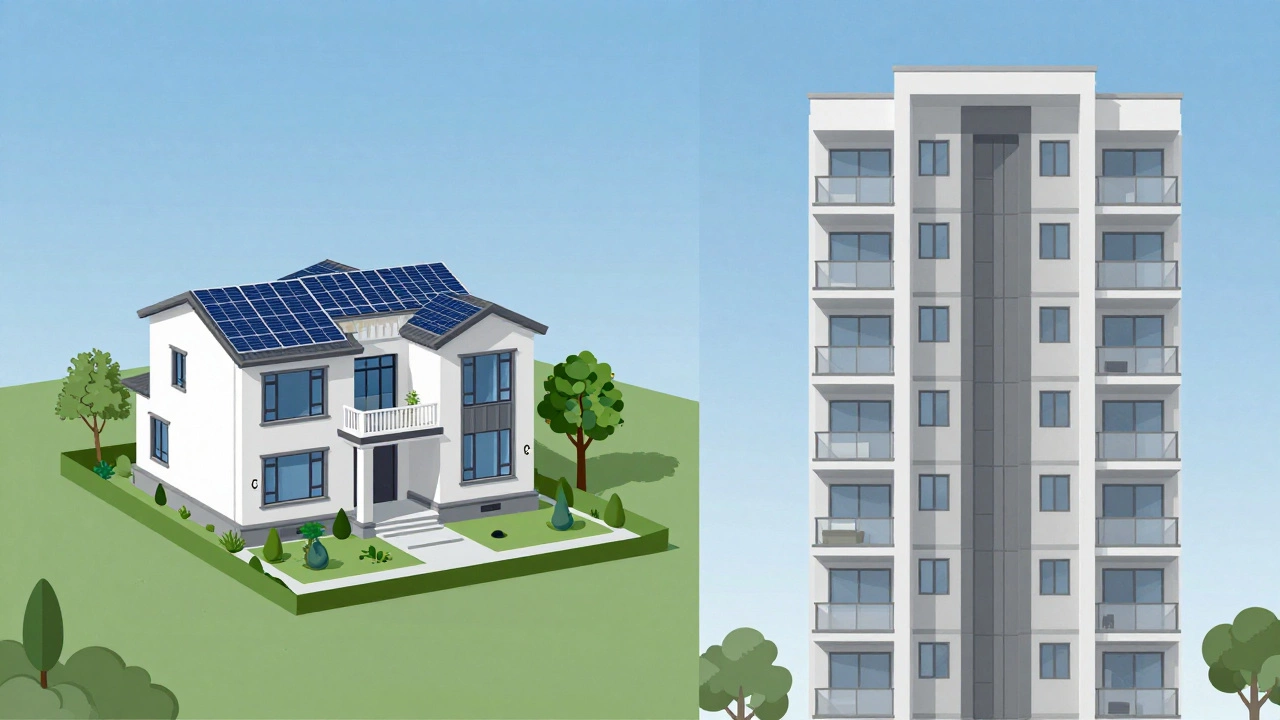
Private villas allow for greater sustainability initiatives. Owners can install solar panels, rainwater harvesting systems, and native gardens that support local biodiversity. Unlike apartments, where modifications are restricted, villa owners can fully integrate eco-friendly technologies into their design and landscape.