

Rental Income Affordability Calculator
Your Financial Details
Enter your rent and income details to see if you meet the standard 3x income requirement used by most landlords.
Try Common Scenarios
Standard Income
Low Income
High Income
You’ve found the perfect apartment. It has good light, a secure building, and it’s close to your workplace. You fill out the application form with excitement, only to hit a wall at the financial section: "Gross monthly income." Suddenly, you’re doing mental math in the middle of a busy street. Does your salary actually cover this place? How much do landlords really expect you to earn?
This is one of the most common hurdles in renting, especially in competitive markets like Sydney. The short answer is that most apartments require your gross monthly income to be at least three times your monthly rent. This is known as the 30% rule. But the reality is messier than a simple formula. Landlords look at more than just your paycheck; they look at stability, debt, and the total picture of your finances.
The Golden Rule: Rent Should Be 30% of Your Income
In the world of property management, there is a widely accepted benchmark called the 30% Rule. This guideline suggests that you should spend no more than 30% of your gross (pre-tax) monthly income on housing costs. If an apartment rents for $2,000 per month, a landlord will typically want to see a gross monthly income of at least $6,667. Why? Because it leaves you with enough money for food, transport, utilities, and savings without living paycheck to paycheck.
Landlords use this metric to gauge risk. If you are spending 50% or 60% of your income on rent, you are statistically more likely to miss a payment during an unexpected expense, like a car repair or a medical bill. From their perspective, a tenant who comfortably affords the rent is a safer bet. They don’t want to deal with eviction proceedings because you got sick or lost a job. So, while this isn't a law, it is the standard filter used by almost every professional property manager in Australia.
| Monthly Rent ($) | Minimum Gross Monthly Income ($) | Minimum Annual Salary ($) |
|---|---|---|
| $1,500 | $4,500 | $54,000 |
| $2,000 | $6,000 | $72,000 |
| $2,500 | $7,500 | $90,000 |
| $3,000 | $9,000 | $108,000 |
Note that these figures are based on gross income, not what hits your bank account after tax. In Sydney, where median rents have risen sharply, hitting this threshold can feel impossible for many professionals. A junior developer or a nurse might find that their salary barely clears the bar for a modest unit. This gap between income and housing cost is a major driver of the current affordability crisis.
When You Don't Meet the Income Threshold
What happens if your income is only two times the rent, or even less? You aren’t automatically rejected, but you need to bring other strengths to the table. Property managers are looking for security, and if your income doesn’t provide that, you must offer alternative forms of assurance.
The most powerful tool here is a Guarantor. A guarantor is usually a parent or partner who signs the lease alongside you. They agree to pay the rent if you default. To qualify, the guarantor typically needs to own property free and clear or have a significantly higher income than required. For example, if you earn $50,000 a year but your parents own a home worth $800,000, their equity acts as collateral. This often satisfies the landlord’s need for security, allowing them to overlook your lower income-to-rent ratio.
Another strategy is offering to pay several months of rent upfront. While not always legally permissible depending on state laws (in New South Wales, bond limits are strict), some private landlords may accept a larger initial deposit or prepaid rent as a sign of commitment. However, be cautious: paying large sums upfront carries risk if the contract isn’t solid. Always ensure any extra payments are documented clearly within the tenancy agreement.

How Landlords Verify Your Income
Saying you earn a certain amount isn’t enough; you have to prove it. In Australia, the verification process is rigorous. Landlords and property managers will ask for specific documents to validate your financial standing. Being prepared with these documents before you apply can speed up the approval process significantly.
- Payslips: Most agencies require your last two to three payslips. These show your current earnings, deductions, and employment status. Make sure they are recent, ideally from the last month.
- Employment Contract: A copy of your signed contract helps verify your role, salary, and duration of employment. Permanent positions are viewed more favorably than casual or fixed-term contracts.
- Tax Returns: For self-employed individuals or contractors, payslips don’t exist. Instead, you’ll need to provide your last two years of Notice of Assessments (NOAs) from the Australian Taxation Office (ATO). These documents prove your average annual income over time.
- Bank Statements: Some landlords may request recent bank statements to see cash flow patterns. This helps them understand if your income is consistent and if you have savings buffers.
If you are changing jobs, things get trickier. A letter of offer from your new employer stating your start date and salary can help, but many landlords prefer to see a history of stable income. If you’ve been unemployed for a while, having savings equivalent to six months of rent can serve as proof of ability to pay, even without a current paycheck.
Hidden Costs That Affect Affordability
When calculating whether you can afford an apartment, rent is just the tip of the iceberg. Many first-time renters forget about the additional costs that eat into their budget. Ignoring these can lead to financial stress even if you meet the 30% income rule.
Consider the Rental Bond. In New South Wales, the bond is capped at four weeks’ rent. For a $2,000/week apartment, that’s $8,000 upfront. Then there’s the first week’s rent, which is also due before you move in. So, you need nearly five weeks’ rent just to unlock the door. Add in moving truck costs, cleaning supplies, and potential internet setup fees, and your initial outlay can easily exceed $10,000.
Ongoing costs include utilities like electricity, gas, water, and internet. In summer, air conditioning can spike your power bills significantly. Council rates and body corporate levies are usually paid by the landlord, but strata fees can indirectly affect you if they lead to higher rent increases in the future. Always ask what is included in the rent. Some apartments include water usage or even internet, which can save you hundreds of dollars a year.
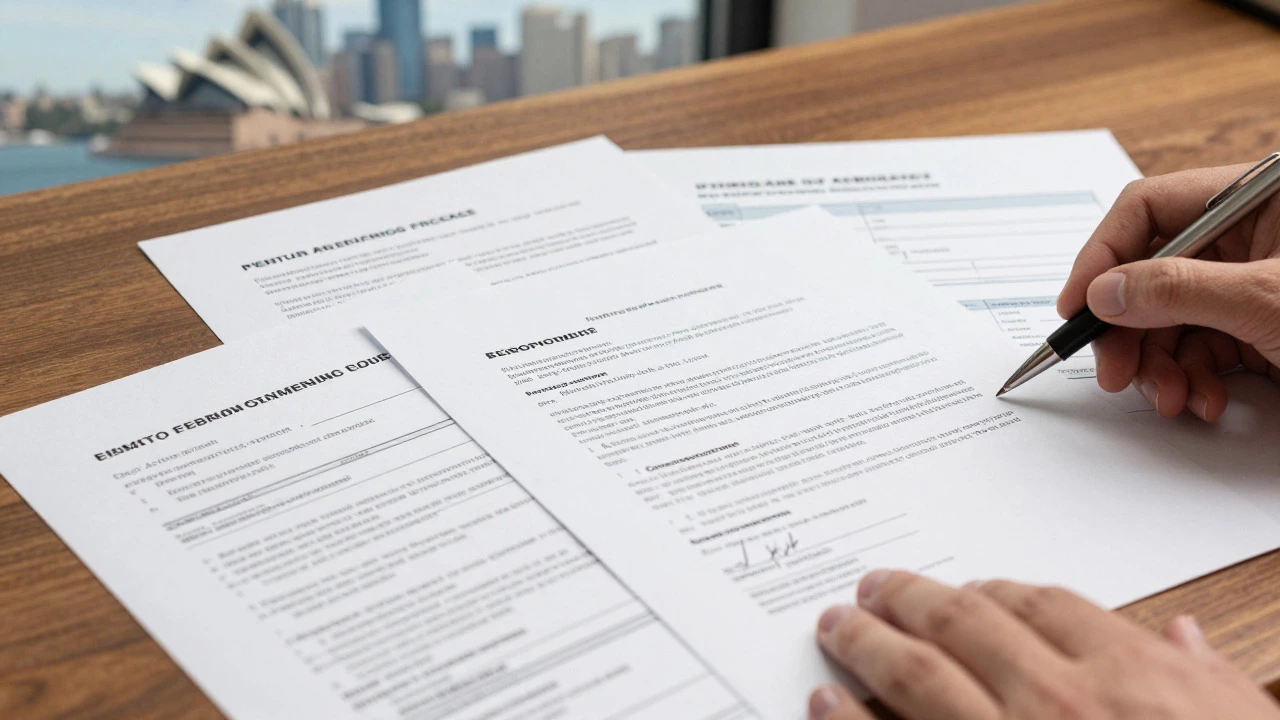
Navigating the Sydney Market in 2026
Renting in Sydney in 2026 is a different beast compared to previous years. With vacancy rates hovering around 1-2%, competition is fierce. Properties often receive dozens of applications within hours of being listed. This scarcity gives landlords significant leverage to be picky about income requirements.
In high-demand suburbs like Surry Hills, Paddington, or near the CBD, landlords can afford to wait for tenants who exceed the 30% rule. They might prefer someone earning 4x the rent over someone earning exactly 3x. In contrast, outer suburbs or areas with higher vacancy rates might be more flexible. If you are struggling to meet the income threshold, consider expanding your search radius. Commuting longer might mean lower rent and easier approval.
Also, keep an eye on government initiatives. Programs like Rental Assistance or community housing schemes can help bridge the gap for low-income earners. While these don’t change the landlord’s income requirement directly, they reduce your net out-of-pocket expense, making the rent more manageable relative to your actual disposable income.
Improving Your Chances of Approval
If you are worried about your income not meeting the standard, take proactive steps to strengthen your application. First, build a strong rental history. If you have rented before, get reference letters from previous landlords confirming you paid rent on time and cared for the property. A positive track record can sometimes outweigh a lower income.
Second, minimize your debt-to-income ratio. Credit checks are standard. High credit card debt or multiple loans can raise red flags, even if your income is sufficient. Paying down debts before applying shows financial responsibility.
Third, personalize your application. Include a brief cover letter introducing yourself. Explain why you want to live there, highlight your stable employment, and mention any mitigating factors (like a guarantor). Humanizing your application can make a difference when landlords are choosing between similar candidates.
Finally, act fast. Have all your documents ready in a digital folder. When you see a listing you like, submit your application immediately. Delays can cost you the opportunity, especially in a hot market.
Can I rent an apartment if I earn less than 3 times the rent?
Yes, it is possible. You can offset a lower income by providing a guarantor with strong financials, paying a larger bond (if allowed), or showing substantial savings. Landlords prioritize security, so demonstrating reliability through other means can compensate for income gaps.
Do landlords look at net or gross income?
Most landlords look at gross income (before tax). This is the standard industry practice because it provides a consistent baseline regardless of individual tax situations. However, some private landlords may consider net income if you provide detailed budget breakdowns.
What documents do I need to prove my income?
For employees, you typically need recent payslips (last 2-3) and a copy of your employment contract. For self-employed individuals, you need Notice of Assessments from the ATO for the last two years. Bank statements may also be requested to verify cash flow.
Is the 30% rule a legal requirement?
No, the 30% rule is not a law. It is a guideline used by property managers to assess risk. Landlords have the discretion to approve or reject applications based on their own criteria, though discrimination laws protect against bias based on protected attributes.
How does a guarantor help with income requirements?
A guarantor signs the lease and agrees to pay rent if you default. They usually need to own property or have a high income. Their financial strength acts as a safety net for the landlord, allowing them to approve tenants who might otherwise fall short of income thresholds.