
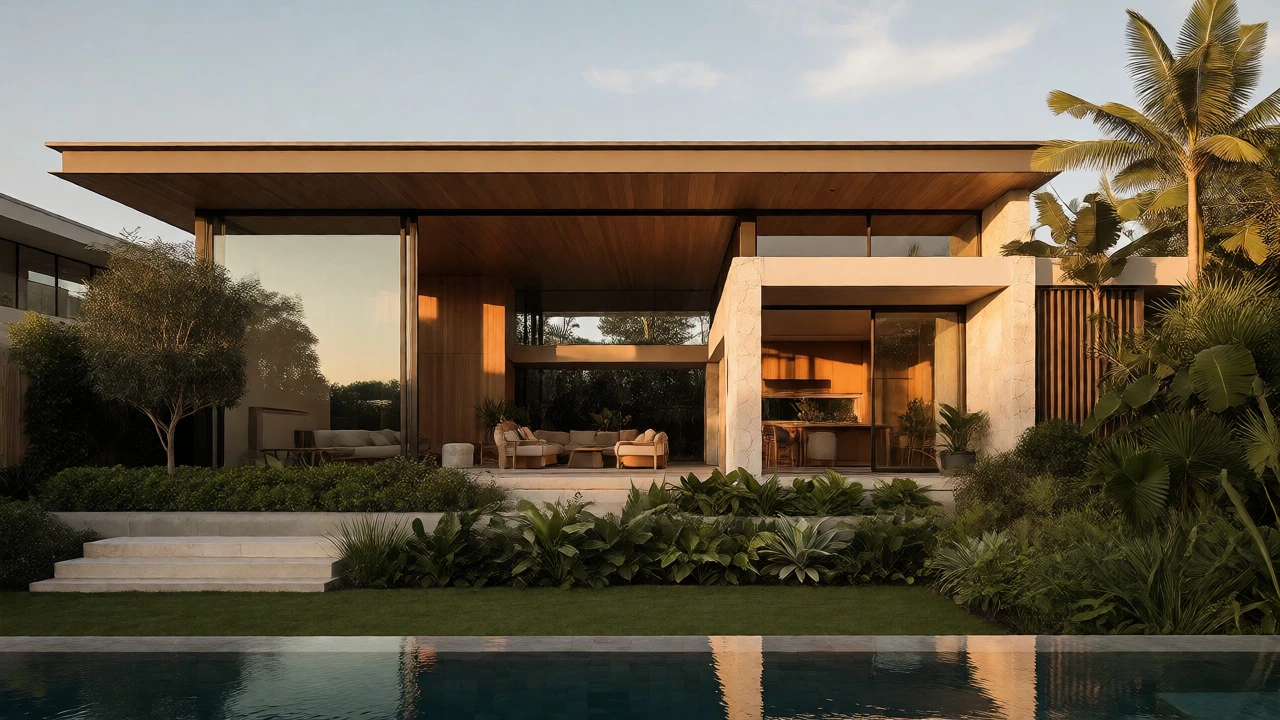
Villa vs. House Classifier
Check the features that apply to the property in question to see how it stacks up against traditional villa definitions.
Assessment Score
You’re scrolling through property listings and see two homes that look nearly identical: both have large gardens, three bedrooms, and modern finishes. One is labeled "Detached House." The other is labeled "Villa." The price tags are different, too. Why? You might assume it’s just marketing fluff to justify a higher cost, but there’s actually a distinct line between the two. Understanding what makes a house a villa isn’t about spotting gold faucets; it’s about understanding zoning, architectural history, and legal definitions.
If you’re looking to buy in Sydney or anywhere else, knowing this distinction saves you money and confusion. It affects your maintenance costs, your resale value, and even how banks view your loan. Let’s clear up the mystery once and for all.
The Core Definition: More Than Just Luxury
A villa is traditionally defined as an upper-class country house, originating from ancient Roman architecture. In modern real estate, however, the term has evolved. While a standard detached house focuses on maximizing living space within a specific footprint, a villa prioritizes lifestyle, integration with the outdoors, and privacy. The key differentiator isn't always size-it's layout and land relationship.
In many markets, including Australia, a villa often implies a standalone dwelling that sits on its own title (or a strata title with exclusive use of substantial grounds). Unlike a townhouse, which shares walls with neighbors, a true villa is detached. But not every detached house is a villa. To be classified as such, the property usually needs to offer more than just four walls and a roof. It needs to provide an experience of seclusion and spaciousness that a suburban block might not.
Architectural Features That Define a Villa
How do you spot a villa when walking through a neighborhood? Look for these specific architectural cues. These aren't just aesthetic choices; they are functional elements that separate villas from standard family homes.
- Open-Plan Living: Villas rarely have small, closed-off rooms. They feature expansive, flowing spaces where the kitchen, dining, and lounge areas merge seamlessly.
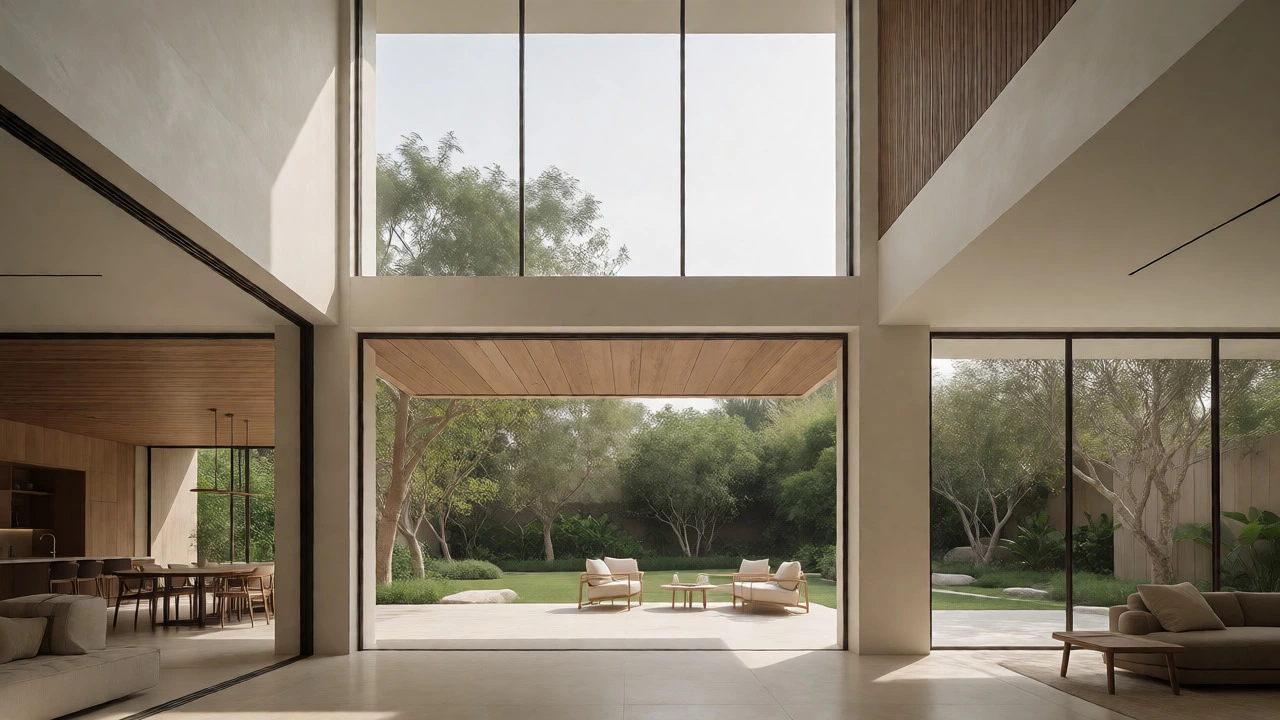
- Indoor-Outdoor Flow: This is the biggest giveaway. Large sliding doors, alfresco dining areas, and courtyards are central to the design. The garden isn't an afterthought; it's an extension of the living room.
- Single-Level Design (Often): Many modern villas are single-story. This promotes accessibility and keeps the connection to the ground level strong. Multi-story villas exist, but they often feature internal elevators or grand staircases that serve as focal points.
- High Ceilings and Natural Light: Standard houses might have 2.4-meter ceilings. Villas often boast 3 meters or higher, creating a sense of airiness and volume.
- Private Amenities: Think private pools, extensive landscaping, or dedicated guest quarters. These features require significant land area, distinguishing them from compact suburban lots.
Villa vs. Detached House: Where Is the Line?
This is the question most buyers struggle with. Both are standalone structures. Both sit on their own land. So what’s the difference? It comes down to intent and exclusivity.
| Feature | Standard Detached House | Villa |
|---|---|---|
| Land Size | Typical suburban block (e.g., 600-800 sqm) | Larger plot, often emphasizing garden over building footprint |
| Privacy | Moderate; neighbors may overlook fences | High; designed for seclusion and buffer zones |
| Design Focus | Efficiency and bedroom count | Lifestyle, entertainment, and outdoor living |
| Price Premium | Market average for suburb | 15-30% above market average due to prestige |
| Strata/Maintenance | Owner responsible for all external works | May be part of a gated community with shared amenities |
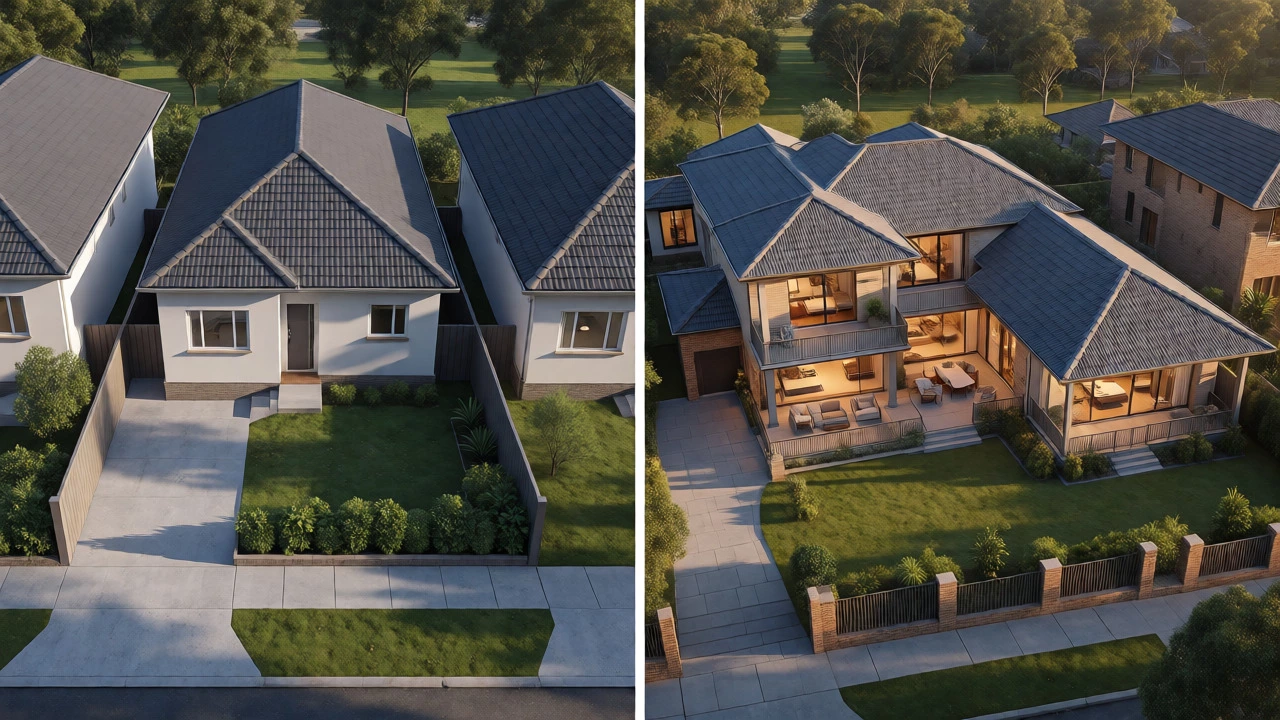
Notice the land size attribute. A villa sacrifices building density for open space. If you buy a 4-bedroom house on a tight 500sqm block, it’s likely just a house. If you buy a 4-bedroom home on a 1,000sqm block with wrap-around verandas and a pool, it’s leaning heavily into villa territory.
The Impact of Location and Zoning
Context matters. In some countries, like Italy or Spain, "villa" is a historical designation tied to heritage status. In Australia, particularly in coastal areas like Byron Bay or the Gold Coast, the term is used more loosely by developers to signal luxury.
Zoning laws play a huge role here. Some councils restrict the term "villa" to properties within master-planned communities. For example, in certain Queensland developments, a "villa" must be part of a gated estate with shared facilities like a clubhouse or gym. If you buy a standalone home in a regular suburb, calling it a villa might be misleading unless it meets specific architectural criteria set by local planning schemes.
Always check the title documents. If the property is registered as a "Dwelling House," it’s legally a house, regardless of what the brochure says. If it’s listed under a specific "Villa" scheme in a strata plan, it carries different legal obligations regarding maintenance fees and committee rules.
Why Developers Use the Term "Villa"
Let’s be honest: words sell houses. "Detached house" sounds ordinary. "Villa" sounds exotic, relaxing, and expensive. Developers know this. They use the term to position a product at a higher price point without necessarily changing the core construction methods.
However, this doesn’t mean the term is meaningless. When used correctly, it signals a shift in target audience. A villa buyer isn’t just looking for shelter; they’re looking for a retreat. This influences everything from the choice of materials (natural stone, timber) to the orientation of the windows (maximizing views rather than street presence).
Be cautious of "land lease" villas. In some retirement villages or resort-style complexes, you might buy the structure but lease the land. This can affect your ability to renovate or extend later. Always ask: Do I own the dirt under my feet?
Financial Implications of Buying a Villa
Buying a villa affects your wallet differently than buying a standard home. Here’s what to expect:
- Higher Entry Price: Expect to pay a premium for the brand name and perceived prestige.
- Maintenance Costs: Larger gardens and pools mean higher upkeep bills. If it’s a strata villa, you’ll also pay quarterly levies for common areas.
- Resale Value: Villas hold value well in prime locations because supply is limited. However, in oversupplied markets, the "villa" label might not command the same premium if buyers perceive it as just another unit.
- Insurance: Insuring a villa can be more expensive due to higher replacement costs and larger insured values.
If you’re financing, lenders might scrutinize the property type more closely. Strata-titled villas in complex estates can sometimes face stricter lending criteria compared to free-standing houses on Torrens title land.
Regional Differences: What Counts as a Villa in Australia?
In Sydney, the term is often reserved for high-end suburbs like Vaucluse or Mosman, where large blocks support sprawling residences. In contrast, in Perth or Brisbane, "villa" frequently refers to smaller, low-maintenance homes within gated communities, often targeted at downsizers or investors.
This regional variance means you can’t rely on a national definition. Always look at comparable sales in your specific postcode. If three nearby homes are sold as "villas" and two as "houses," check their floor plans and land sizes. The pattern will reveal the local market’s actual definition.
Common Misconceptions About Villas
Let’s bust a few myths that trip people up.
Myth 1: All villas are huge mansions. False. Many modern villas are compact, efficient designs focused on luxury finishes rather than sheer square footage. A 200sqm villa can feel larger than a 300sqm house due to smart design.
Myth 2: Villas always come with staff quarters. Not anymore. While older colonial villas had separate wings for servants, modern versions integrate guest suites or home offices instead.
Myth 3: You can’t renovate a villa. If it’s free-standing, you absolutely can. Even strata villas allow renovations, though you may need approval for external changes like fencing or paving.
How to Verify if a Property Is Truly a Villa
Don’t take the agent’s word for it. Do your homework before signing.
- Check the Title Search: Confirm whether it’s Torrens title (full ownership) or Strata title (shared ownership). This dictates your rights.
- Review the Floor Plan: Look for open-plan layouts and indoor-outdoor connections. Closed-off kitchens suggest a traditional house, not a villa.
- Inspect the Land: Measure the garden-to-building ratio. A villa should feel spacious outside.
- Ask About Levies: If there are strata fees, ask what they cover. High levies might indicate resort-style amenities, reinforcing the villa classification.
- Compare Recent Sales: Look at similar properties sold in the last six months. Did they sell as villas or houses? What was the price per square meter?
By taking these steps, you ensure you’re getting what you pay for. You’re not just buying a label; you’re buying a specific lifestyle package.
Is a villa always a detached house?
In strict architectural terms, yes, a villa is typically a detached residence. However, in modern Australian real estate, the term is sometimes applied to semi-detached or duplex units within luxury complexes. Always check the physical structure and title deeds to confirm detachment.
Do villas appreciate faster than standard houses?
Not necessarily. Appreciation depends on location, land value, and scarcity. A standard house on a large block in a growth corridor may outperform a villa in a saturated market. However, unique, high-quality villas in prime suburbs often show resilient long-term value due to limited supply.
Can I call my regular house a villa?
You can describe it that way in marketing, but it won’t change its legal classification. If you’re selling, using the term "villa" incorrectly might mislead buyers and lead to disputes. Stick to accurate descriptions unless your property genuinely fits the architectural and lifestyle criteria of a villa.
Are villas cheaper to maintain than apartments?
Usually, no. Villas have more external surfaces, gardens, and potentially pools to maintain. While they avoid the high body corporate fees of high-rise apartments, the direct costs of gardening, cleaning, and repairs are typically higher than for an apartment unit.
What is the difference between a villa and a mansion?
Size and grandeur. A mansion implies extreme scale, often exceeding 400-500 square meters of interior space, with multiple wings and extensive formal gardens. A villa focuses on elegance and livability, often being more modest in size but high in quality and design integration.