
Villa vs. Mansion: Scale & Cost Simulator
Adjust the size of each property to see how architectural differences impact maintenance costs and spatial perception.
Mansion Formal & Grand
Villa Lifestyle & Flow
Spatial Comparison
Financial & Functional Impact
Annual Maintenance Est.
Perceived Spaciousness
Best Fit For
Walk into a listing labeled "mansion" in Sydney’s Northern Beaches and you’re looking at 450 square meters of living space. Now check a similar price point in the Mediterranean or Bali, where that same label might refer to a sleek 200-square-meter villa. Confusing? Absolutely. The terms mansion and villa are used interchangeably in marketing, but they describe fundamentally different architectural philosophies and spatial experiences. If you’re comparing properties across borders or even within Australia, understanding the physical and functional differences between these two types of homes is critical to making a smart purchase.
This isn’t just about semantics. The distinction affects everything from maintenance costs to resale value and how the home actually feels to live in. A mansion is defined by its sheer scale and formal grandeur, while a villa prioritizes lifestyle integration, outdoor flow, and regional character. Knowing which one fits your needs prevents expensive mismatches between expectation and reality.
The Core Difference: Scale Versus Lifestyle
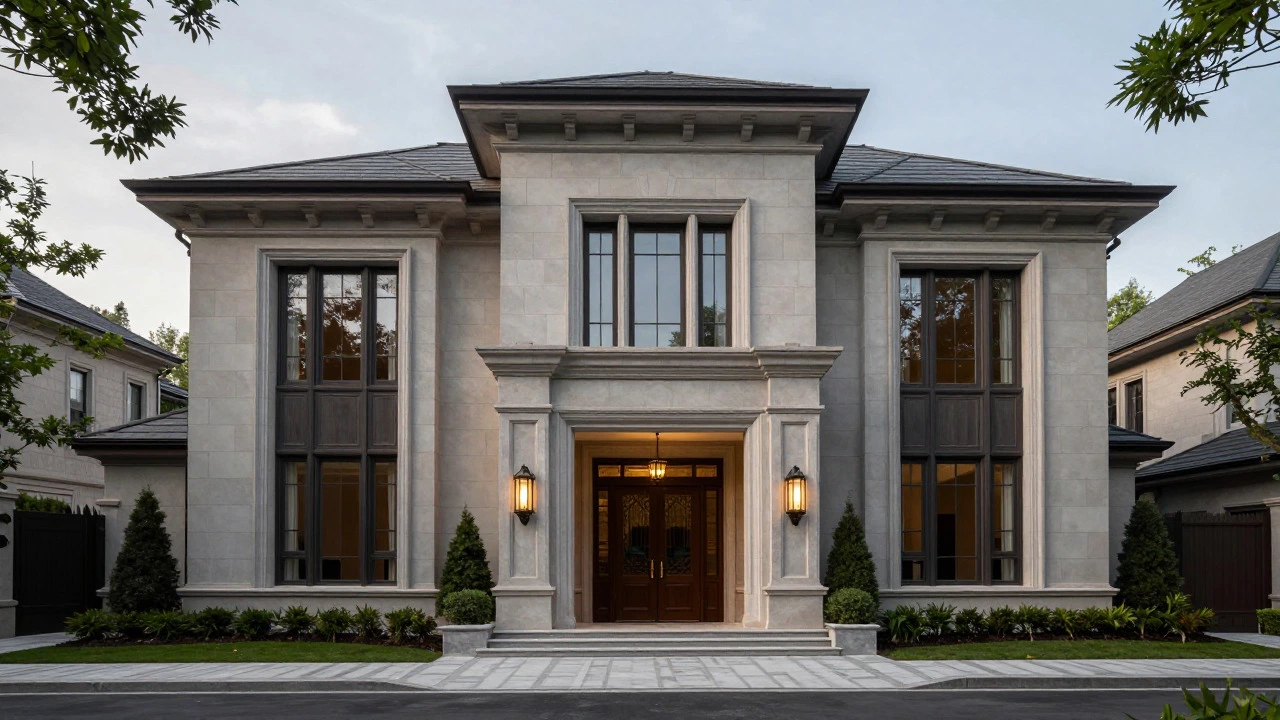
At its heart, a Mansion is a large, imposing residence typically exceeding 300 square meters of indoor floor area, characterized by formal rooms, high ceilings, and significant structural mass. In Australian contexts, this often translates to homes with four or more bedrooms, multiple bathrooms, and dedicated spaces like wine cellars, home theaters, or staff quarters. The architecture tends to be vertical and enclosed, focusing on interior volume and dramatic entryways.
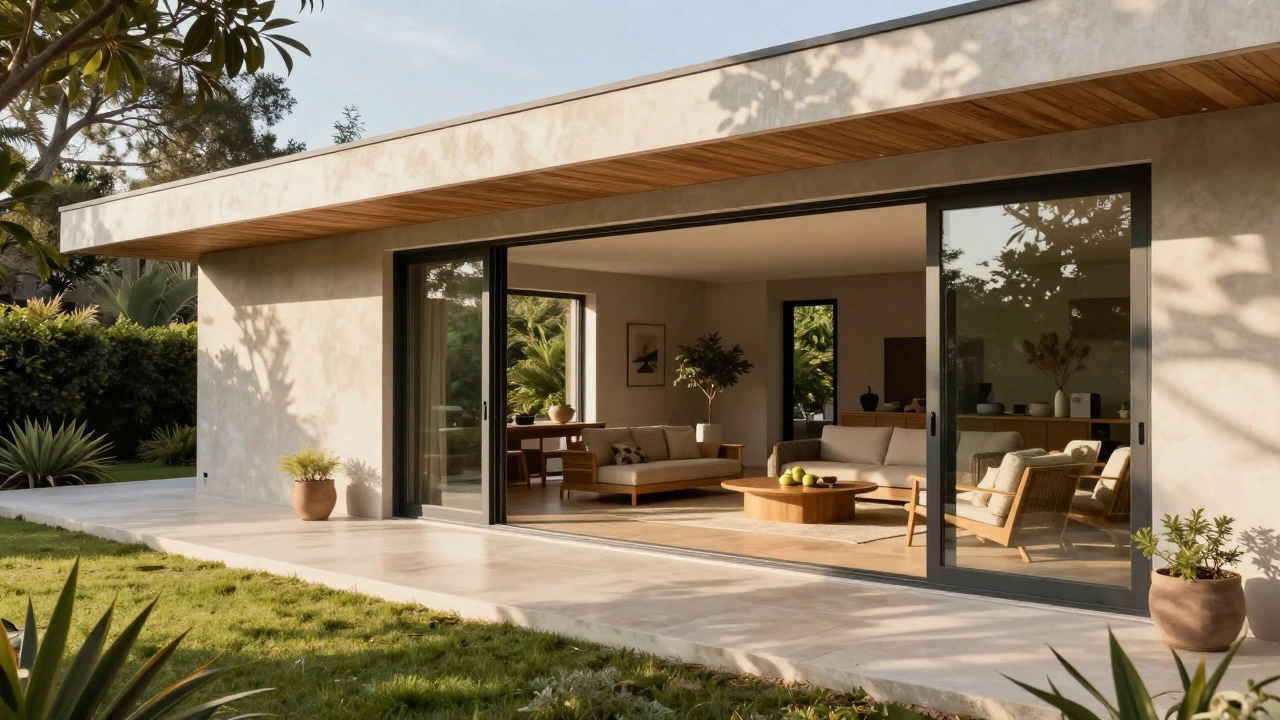
In contrast, a Villa is a residential structure originally derived from Roman country houses, now referring to a standalone dwelling that emphasizes open-plan living, outdoor-indoor connectivity, and regional architectural styles. Villas can range from compact 120-square-meter units in resort areas to expansive 350-square-meter estates, but their defining feature is not size-it’s design intent. They are built to blur the line between inside and outside, often featuring courtyards, terraces, and large glass surfaces that frame the landscape.
So, which is bigger? Generally, a mansion is larger in total indoor square footage. However, a villa’s *usable* space can feel significantly larger due to its layout. A 250-square-meter villa with seamless indoor-outdoor flow often provides more livable area than a 300-square-meter mansion with narrow hallways and compartmentalized rooms. The mansion wins on raw numbers; the villa wins on perceived spaciousness.
Architectural Features That Define Each Type
Understanding the physical attributes helps you identify what you’re actually buying. Mansions follow a traditional Western European model, emphasizing symmetry, formal facades, and hierarchical room arrangements. You’ll find distinct zones: public areas (grand foyer, dining room) separated from private quarters (bedrooms, study). Ceilings are often 3 meters or higher, and windows are tall but fewer in number per wall, creating a sense of monumentality.
Villas, particularly those popular in Australia, Europe, and Asia, adopt a horizontal profile. The layout is fluid, with no clear separation between social and private spaces unless deliberately designed. Large sliding doors, covered verandas, and internal courtyards are standard features. The architecture responds to climate-think shaded eaves in tropical regions or thick walls in Mediterranean climates. This adaptability means a villa’s footprint might be smaller, but its functional envelope extends well beyond the walls.
| Attribute | Mansion | Villa |
|---|---|---|
| Average Indoor Size (Sydney/Australia) | 350-600+ sqm | 150-300 sqm |
| Primary Design Focus | Indoor volume, formality, status | Lifestyle, outdoor integration, comfort |
| Ceiling Height | 3.0-4.5 meters | 2.7-3.2 meters |
| Outdoor Connection | Formal garden, separate patio | Integrated terrace, courtyard, pool deck |
| Maintenance Complexity | High (large surface area, complex systems) | Moderate (focused on landscaping, glazing) |
| Typical Location Context | Urban fringes, established suburbs | Coastal, rural, resort areas, new estates |
Why the Confusion Exists in Real Estate Marketing
Real estate agents love ambiguous labels because they appeal to broader audiences. Calling a 220-square-meter modern home a "mansion" attracts buyers seeking prestige, even if the house lacks the traditional scale. Conversely, labeling a 400-square-meter estate as a "villa" suggests a relaxed, luxurious lifestyle that appeals to international buyers familiar with Mediterranean or Asian property markets.
This linguistic flexibility creates risk for buyers. If you’re accustomed to the term "mansion" meaning a 5-bedroom, 500-square-meter home in Sydney, you might be disappointed by a "mansion" in Phuket that is actually a 180-square-meter villa. Always verify the exact square meterage, bedroom count, and floor plan layout rather than relying on the headline description. Check the building permit or title deed for precise measurements, as marketing materials often exclude garages, sheds, or unenclosed patios from the stated size.
Impact on Cost, Maintenance, and Resale Value
The size difference directly impacts ongoing costs. A larger mansion requires more energy for heating and cooling, especially in Sydney’s variable climate. With higher ceilings and more wall surface area, insulation performance drops, leading to higher utility bills. Maintenance is also more intensive: repainting a 600-square-meter home takes twice as long as a 300-square-meter villa, and roof repairs on a larger structure are costlier due to access requirements.
Villas, with their lower profiles and integrated outdoor spaces, often have lower energy consumption per square meter. The focus on natural ventilation and shading reduces reliance on air conditioning. However, villas with extensive glazing require regular cleaning and may need specialized window treatments to manage glare and heat gain. Landscaping costs can be higher for villas if they feature mature gardens or pools, but these elements add tangible value to the property.
Resale value depends heavily on local market norms. In Sydney’s inner-west, a mansion commands a premium due to scarcity and prestige. In coastal NSW or Queensland, a well-designed villa with ocean views often outperforms a generic mansion because it aligns with the desired lifestyle. International buyers tend to prefer villas for their familiarity and ease of maintenance, which can broaden the buyer pool and support stronger resale prices in export-oriented markets.
How to Choose the Right Property for Your Needs
Your choice should hinge on how you actually use your home. If you host large gatherings regularly, need formal reception areas, and value privacy through distance between rooms, a mansion offers the right infrastructure. The separate spaces allow guests to move without disturbing family members, and the scale supports dedicated hobby rooms or offices.
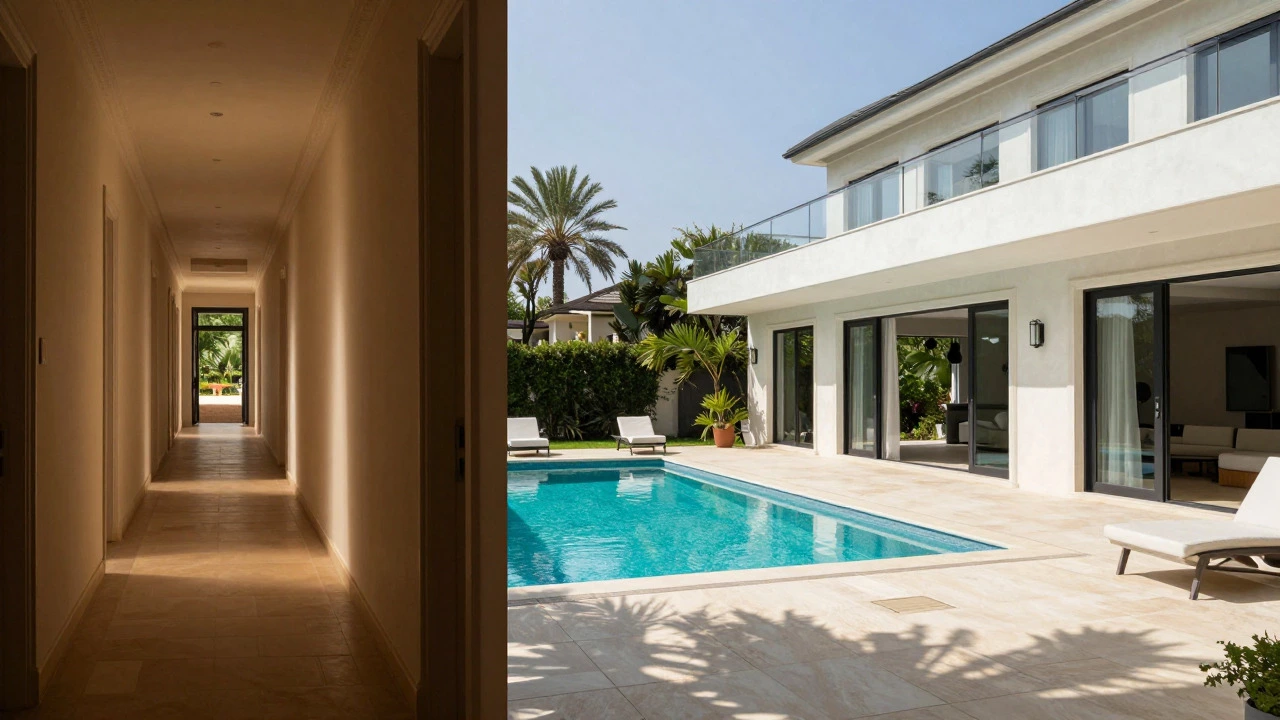
If you prioritize daily comfort, outdoor entertainment, and a low-maintenance aesthetic, a villa is likely the better fit. The open-plan design facilitates family interaction, and the direct connection to outdoor areas makes hosting casual dinners or weekend barbecues effortless. For families with young children, the single-level or split-level layouts common in villas are safer and easier to navigate than multi-story mansions with stairs in every wing.
- Measure your actual needs: List the minimum number of bedrooms, bathrooms, and essential rooms. Don’t let marketing inflate your expectations.
- Check the floor plan: Look for flow between living, dining, and kitchen areas. In villas, assess how easily you can move from indoors to outdoors.
- Evaluate orientation: North-facing aspects in Australia maximize natural light and warmth. Mansions with deep interiors may suffer from dark central rooms; villas with cross-ventilation perform better in summer.
- Consider future resale: Research recent sales of comparable properties in the specific suburb. Is there demand for large formal homes or lifestyle-oriented villas?
- Inspect outdoor areas: For villas, ensure patios and decks are structurally sound and adequately shaded. For mansions, check garden maintenance history and irrigation systems.
Frequently Asked Questions
Is a villa always smaller than a mansion?
Not necessarily. While mansions are typically larger in indoor square footage, some luxury villas can exceed 400 square meters when including attached structures and extensive terraces. The key difference is design philosophy, not absolute size. A small mansion might be 250 square meters, while a large villa could be 350 square meters. Always compare specific measurements rather than relying on labels.
Which type is better for first-time luxury buyers in Australia?
Villas are generally recommended for first-time luxury buyers due to lower maintenance costs, better energy efficiency, and stronger alignment with contemporary Australian lifestyles. They offer a manageable entry point into high-end property without the financial burden of maintaining a large, formal mansion. However, if you plan to stay in the property for 10+ years and enjoy entertaining formally, a smaller mansion might be worth considering.
Do villas hold their value as well as mansions?
In most Australian markets, yes, provided the villa is well-located and architecturally sound. Coastal and semi-rural villas often appreciate faster than urban mansions due to limited land supply and high demand for lifestyle properties. Urban mansions hold value well in established suburbs but face stiffer competition from new high-density developments. Location remains the primary driver of value retention for both types.
What are the hidden costs of owning a mansion versus a villa?
Mansions incur higher insurance premiums due to greater replacement value and complex roofing systems. Energy costs are significantly higher, especially during winter heating periods. Staffing costs for cleaning and gardening are often necessary to maintain the property. Villas have lower insurance and energy costs but may require investment in high-quality outdoor furniture, pool maintenance, and specialized window cleaning. Budget for 1-2% of property value annually for maintenance on either type, with mansions leaning toward the higher end.
Can a villa be converted into a mansion-style home?
Partially. You can add formal elements like a grand entrance, higher ceilings, or dedicated study rooms to a villa, but the fundamental open-plan nature is hard to change without major structural work. Converting a mansion into a villa style is equally difficult due to fixed load-bearing walls and compartmentalized layouts. It’s usually more cost-effective to buy the property type that matches your desired lifestyle from the start.