
Virginia Property Tax Debt Estimator
Estimation Summary
Quick Summary of Risks
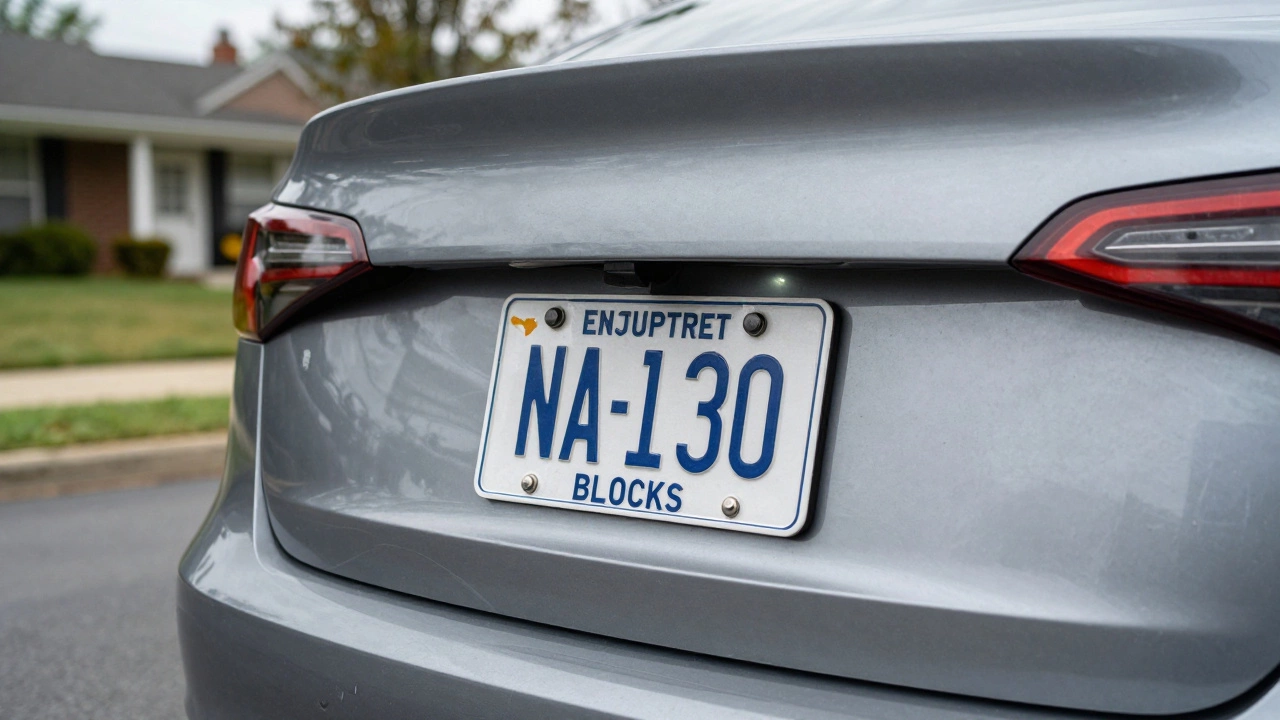
- Registration Blocks: You cannot renew your vehicle decals if you owe taxes.
- Financial Penalties: Interest accrues monthly, making the debt grow quickly.
- Legal Liens: The government can place a claim against your property.
- Asset Seizure: Local authorities can seize and sell your property to cover the debt.
The Immediate Fallout: DMV and Registration
For most people, the first sign of trouble isn't a court date-it's a trip to the DMV. In Virginia, there is a tight link between your local government's tax office and the Virginia Department of Motor Vehicles (DMV). If you haven't paid your Virginia personal property tax, your local treasurer may notify the state that you are delinquent.
What does this actually look like? When you try to renew your car tags or transfer a title, the system flags your account. You'll be told you cannot complete the transaction until you provide proof of payment or a tax clearance certificate. This puts you in a dangerous spot: driving with expired tags is a primary reason for police stops, which can lead to fines or your vehicle being impounded.
The Money Trap: Interest and Penalties
Tax bills don't stay static. Once you miss the deadline-usually mid-June for most Virginia localities-the clock starts ticking. Localities apply an interest rate, often around 1% per month, but this varies by county. If you're in Fairfax or Loudoun, the rules might be slightly different than in a smaller town in the Shenandoah Valley.
Beyond interest, there are late fees. Some jurisdictions charge a flat penalty for any payment made after the due date. If you ignore the bill for a year, you aren't just paying the original amount; you're paying a compounded sum. For a car valued at $20,000 with a tax bill of $400, a few years of neglect can easily double that balance through penalties and administrative fees.

The Escalation: Tax Liens and Judgments
When the bills go unpaid for a significant period, the local government moves from "reminders" to "legal action." They may file a Tax Lien, which is a legal claim against your assets. A lien is effectively a red flag to any future buyer or lender. If you try to sell your car or refinance your home, the lien must be paid off first, or the buyer's title won't be clear.
If the debt is substantial, the locality may sue you in the General District Court. This results in a judgment. Once a court grants a judgment, the government has more power. They can potentially garnish your wages or seize funds from your bank accounts to satisfy the debt. This isn't common for a $100 tax bill, but for someone with multiple luxury vehicles or commercial equipment, it's a real risk.
The Nuclear Option: Tax Sales and Seizures
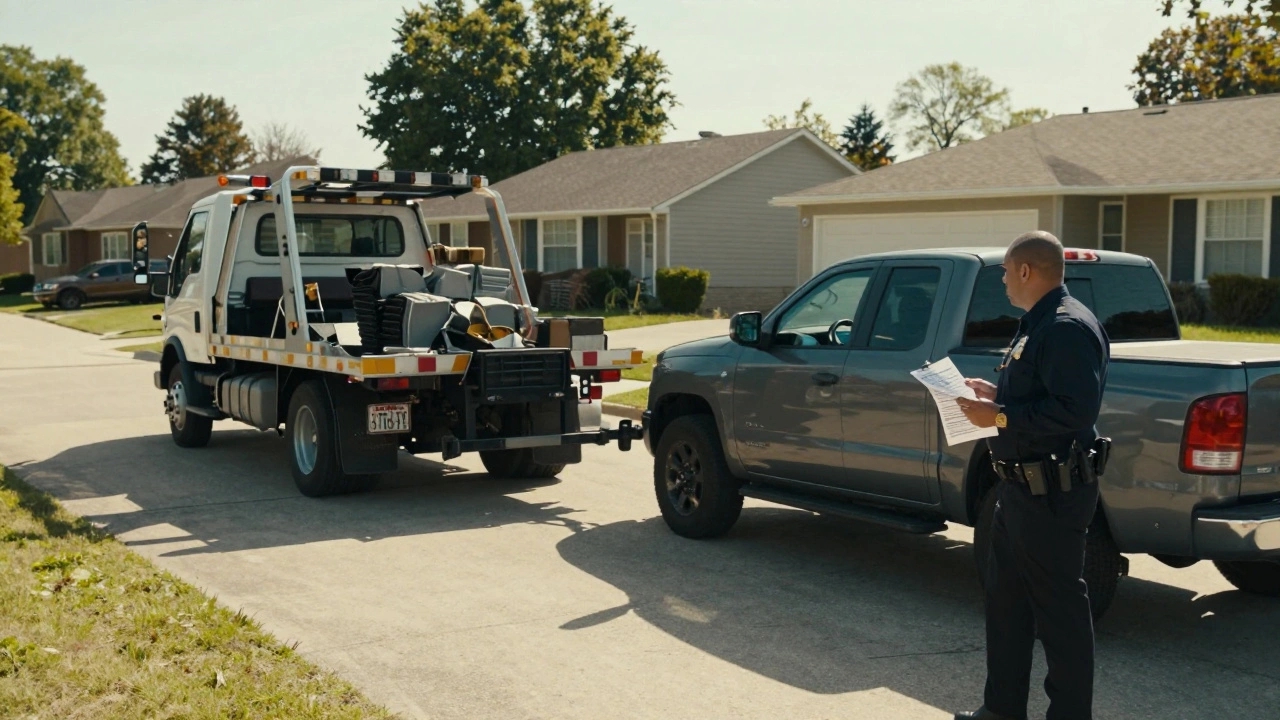
The most severe consequence is the Tax Sale. Under Virginia law, localities have the authority to seize personal property-like that truck in your driveway-to pay off delinquent taxes. While they don't usually send a tow truck for a $50 debt, they can and do conduct seizures for larger, long-term delinquencies.
| Stage | Timeframe | Primary Consequence |
|---|---|---|
| Grace Period | Due Date to 30 Days | Late payment reminders |
| Delinquency | 31 Days to 6 Months | Interest accrual and DMV blocks |
| Severe Delinquency | 6 Months to 2 Years | Legal notices, Tax Liens |
| Enforcement | 2+ Years | Court judgments and Asset Seizure |
How to Get Out of the Hole
If you've realized you're behind on your taxes, don't wait for the court summons. Local governments are generally more willing to work with you if you initiate the conversation. Most Virginia counties offer a payment plan. Instead of paying $1,000 at once, they might let you pay $100 a month to clear the debt.
Another option is to check for exemptions. For example, if your vehicle is used exclusively for farming or if you are a disabled veteran, you might qualify for a tax exemption that could retroactively lower your bill. You'll need to provide documentation to the Commissioner of the Revenue to prove your eligibility.
If you've already received a notice of a tax sale or a court date, you should contact a legal professional or a tax advisor immediately. Paying the "principal" amount might not be enough; you'll need to clear the interest and the legal fees the county spent to track you down.
Avoiding Future Pitfalls
The best way to handle this is to stay ahead of the cycle. Many Virginia residents forget that they must report new vehicles to the local government within 30 days of purchase. If you buy a car, register it with the DMV, but forget to tell the county, you'll eventually get a "surprise bill" that includes back taxes and penalties for non-reporting.
Set up automatic payments if your locality allows it. Most modern portals in Virginia let you link a bank account. This prevents the "forgotten bill" scenario and keeps your DMV record clean. Also, keep a paper trail of every payment you make. Occasionally, local databases glitch, and you don't want to be the one fighting a tax lien without a receipt.
Can I go to jail for not paying personal property taxes in Virginia?
No, you generally cannot be imprisoned for failing to pay personal property taxes. These are civil debts, not criminal charges. However, you can face significant financial penalties and the loss of your assets through seizure and sale.
Will my credit score be affected by unpaid Virginia property taxes?
Not directly from the tax office, but if the locality sues you and wins a court judgment, that judgment can appear on your public records. Furthermore, if the debt is sold to a third-party collection agency, they may report the delinquency to credit bureaus, which would drop your score.
Do I still have to pay if I sold my car?
Yes, you are responsible for the taxes for the portion of the year you owned the vehicle. If you sold the car but didn't notify the Commissioner of the Revenue, the county still thinks you own it and will keep billing you. You must provide a bill of sale to have the account updated.
What is the difference between real estate tax and personal property tax?
Real estate tax is on land and permanent buildings (homes, warehouses). Personal property tax is on movable assets (cars, trailers, boats). In Virginia, both are handled at the local level, but they have different reporting requirements and different deadlines.
How do I know if I have a tax lien on my vehicle?
You can check with your local Treasurer's office or perform a title search through the DMV. If a lien exists, it is recorded as a legal claim against the title of the property, meaning you cannot legally transfer ownership without satisfying the debt.