
Singapore 2-Room Flat Type Selector
Determine whether a Type 1 or Type 2 2-Room Flexi flat is the better fit for your age, location preference, and financial goals.
You’ve seen the listings. You’ve read the floor plans. But when you look at a Type 1 and a Type 2 2-room flat in Singapore, they often look identical on paper. Both are small. Both are affordable. Both have one bedroom and a living area that doubles as a dining space. So why does the government split them into two distinct categories? And more importantly, which one should you actually buy or rent?
The difference isn’t just about square footage. It’s about who lives there, where it is located, and what rules govern its use. If you’re looking to invest, downsize, or simply find a place to call home without breaking the bank, understanding this distinction is crucial. Let’s break down exactly how these two types of HDB flats differ in reality.
The Core Design Differences
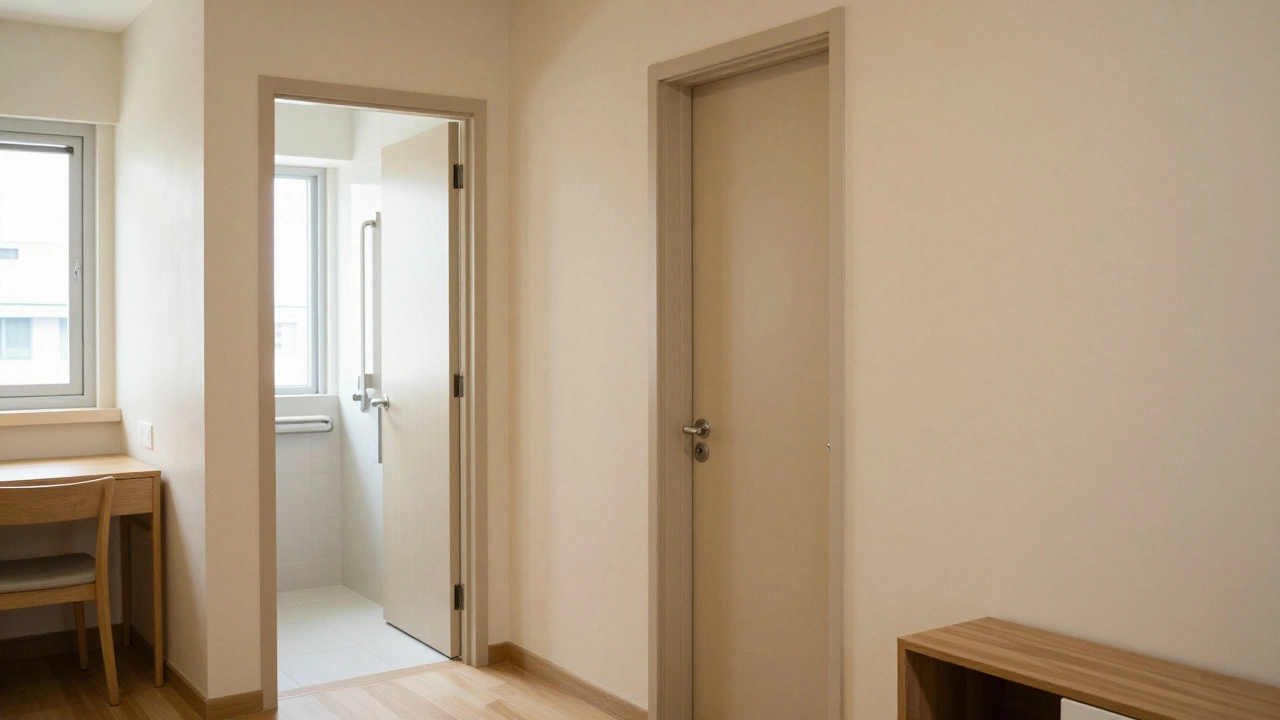
At first glance, the physical differences between a Type 1 and a Type 2 2-room flat can be subtle, but they are significant for daily living. A Type 1 2-room flat is typically smaller, with an internal floor area ranging from approximately 35 to 45 square meters (around 376 to 484 square feet). These units were primarily designed for elderly singles or couples who need minimal space but maximum accessibility. They often feature a compact kitchen, a single bathroom, and a combined living-dining-bedroom layout.
In contrast, a Type 2 2-room flexi flat is slightly larger, usually falling between 45 and 50 square meters (approximately 484 to 538 square feet). The "Flexi" aspect means these flats are built with adaptable layouts. While the core structure remains similar-one bedroom, one bathroom-the living areas might be configured differently depending on the block design. Some Type 2 flats offer a separate kitchen counter space, while others integrate it more seamlessly into the living room. This extra few square meters can make a huge difference in furniture placement and storage options.
| Feature | Type 1 2-Room Flat | Type 2 2-Room Flexi Flat |
|---|---|---|
| Floor Area | ~35-45 sqm | ~45-50 sqm |
| Target Demographic | Elderly Singles/Couples | Young Professionals, Small Families |
| Location Focus | Mature Estates (Central) | Less Mature & Central Areas |
| Resale Eligibility | Limited Restrictions | Open Market Resale |
| Rentals | HDB Rental Scheme Only | Private Rental Allowed |
Who Can Buy These Flats?
This is where the real divergence happens. The Housing & Development Board (HDB) in Singapore uses these categories to target specific social needs. Type 1 flats are heavily subsidized and come with strict eligibility criteria. Historically, they were reserved for elderly citizens aged 65 and above. However, recent policies have expanded this slightly to include younger singles under certain conditions, particularly if they are close to retirement age or have specific financial constraints. The key takeaway is that Type 1 flats are not meant for young professionals or families planning to grow.
Type 2 Flexi flats, on the other hand, are part of the broader 2-Room Flexi scheme. This scheme allows buyers to choose from different sizes and locations based on their budget and preferences. Eligible buyers include young singles aged 35 and above, as well as small families. The flexibility here is intentional. The government wants to provide affordable housing options for those who don’t need large spaces but want the security of ownership. If you’re under 35, you likely won’t qualify for either type unless you’re part of a special category like the Single Spouse Scheme.
Location Matters More Than You Think
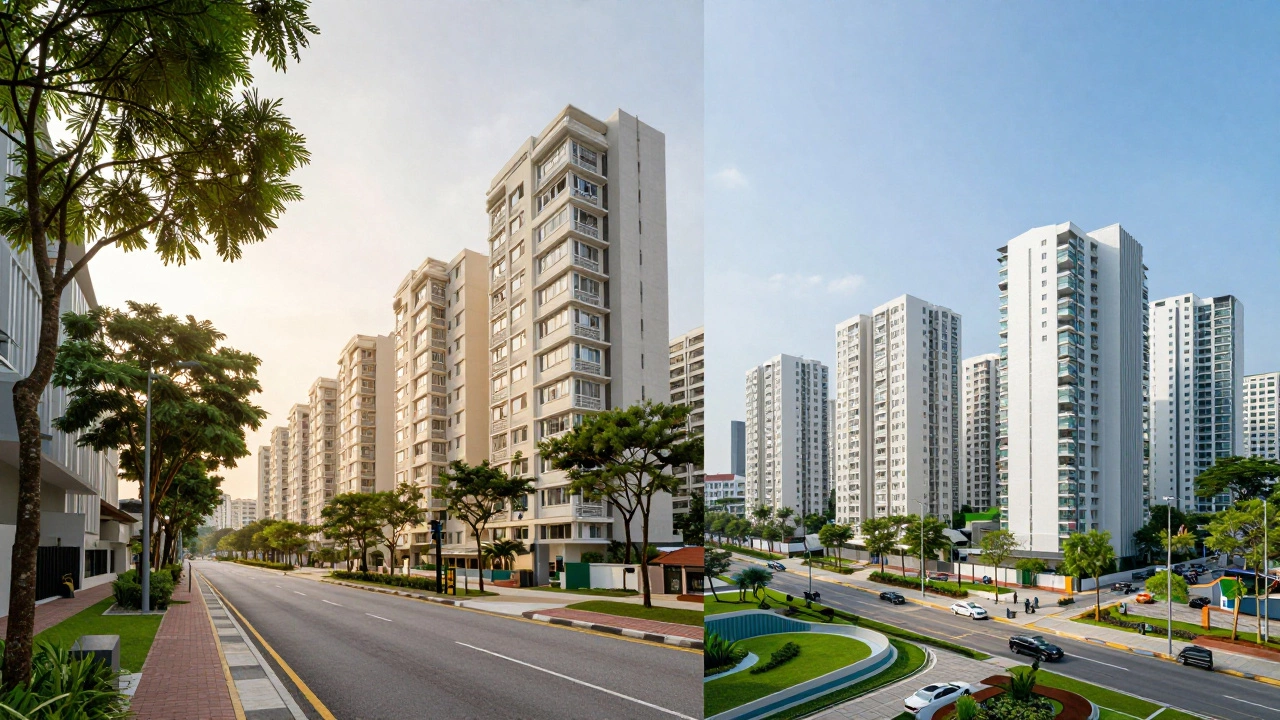
If you think all HDB flats are created equal in terms of location, think again. Type 1 flats are predominantly found in mature estates like Ang Mo Kio, Toa Payoh, and Queenstown. These areas boast excellent connectivity, established amenities, and high rental demand. For an investor or an older resident who values proximity to hospitals and public transport, this is a major advantage. However, because these flats are older, they may require more maintenance over time.
Type 2 Flexi flats are distributed across both mature and less mature towns. You’ll find them in places like Jurong West, Tampines, and even newer developments in Tengah. This distribution strategy helps balance population growth and infrastructure development. Living in a less mature estate might mean fewer hawker centers nearby initially, but it also means newer buildings with modern facilities and potentially higher capital appreciation as the area develops. Your choice depends on whether you prioritize convenience now or potential growth later.
Renting vs. Owning: The Investment Angle
Let’s talk money. If you’re considering buying a 2-room flat as an investment property, you need to understand the rental rules. Type 1 flats generally cannot be rented out to private tenants. They are mostly occupied by owners or rented through the HDB Rental Scheme for low-income households. This limits your ability to generate passive income from these units. The resale market is also narrower, as only eligible buyers can purchase them.
Type 2 Flexi flats offer more flexibility. After meeting the Minimum Occupation Period (MOP), which is typically five years, owners can sell their flats on the open market to any eligible buyer. This includes investors who meet the citizenship requirements. Additionally, Type 2 flats can be rented out to private tenants once the MOP is satisfied. This makes them a more attractive option for those looking to diversify their portfolio with residential real estate. However, keep in mind that rental yields for small units can be volatile, especially during economic downturns.
Living in a Small Space: Practical Tips
Whether you choose Type 1 or Type 2, living in a 2-room flat requires smart design choices. Here are some practical tips to maximize your space:
- Vertical Storage: Use wall-mounted shelves and cabinets to free up floor space. In a Type 1 flat, every inch counts, so avoid bulky furniture.
- Multipurpose Furniture: Invest in sofa beds, foldable tables, and ottomans with hidden storage. These pieces serve dual functions and reduce clutter.
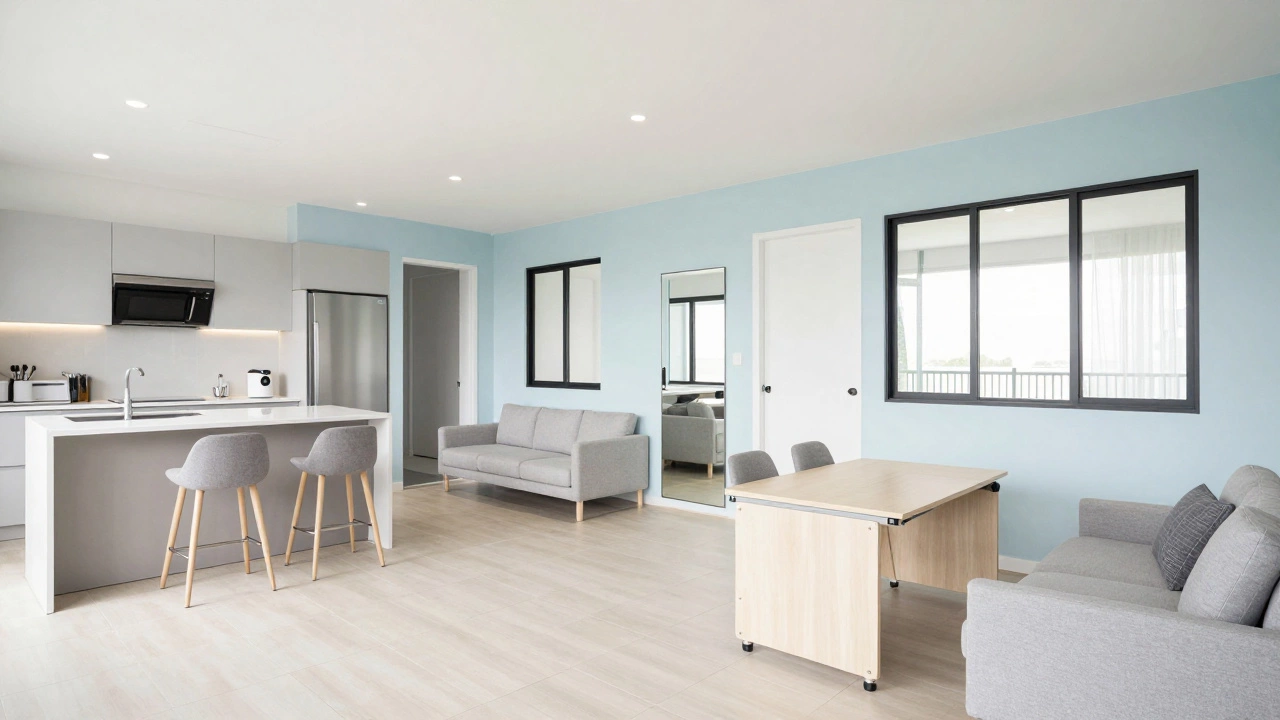
- Light Colors: Paint walls in light shades like white, beige, or pastel blues. This creates an illusion of spaciousness and reflects natural light better.
- Mirrors: Place mirrors strategically to bounce light around the room. A large mirror opposite a window can make the space feel twice as big.
- Declutter Regularly: Adopt a minimalist lifestyle. Keep only what you use regularly. Digitalize documents and store seasonal items off-site if possible.
Future-Proofing Your Home
As Singapore’s population ages, the demand for accessible housing will continue to rise. Type 1 flats are already designed with seniors in mind, featuring wider doorways and grab bars in bathrooms. If you’re buying for long-term occupancy, consider future-proofing your Type 2 flat by installing similar features early on. This not only enhances safety but also increases the resale value among older buyers.
Moreover, the government has announced plans to revitalize older estates, which could boost the value of Type 1 flats in mature neighborhoods. Upgrades to common areas, greenery, and community facilities can significantly improve quality of life. Stay informed about local council announcements and renovation grants to make the most of these opportunities.
Common Misconceptions About 2-Room Flats
There are several myths surrounding 2-room flats that can mislead prospective buyers. One common misconception is that they are only suitable for retirees. While true for Type 1 flats, Type 2 Flexi flats cater to a broader demographic, including young professionals and small families. Another myth is that small flats appreciate slower than larger ones. In reality, location plays a bigger role in capital gains than size. A well-located 2-room flat in a central district can outperform a larger unit in a peripheral town.
Additionally, some believe that renting out a 2-room flat is difficult due to limited tenant interest. However, with the rising cost of living, many young workers and students prefer compact, affordable accommodations near transit hubs. Understanding these nuances can help you make a more informed decision.
Final Thoughts on Choosing Between Type 1 and Type 2
Choosing between a Type 1 and Type 2 2-room flat ultimately comes down to your personal circumstances and goals. If you’re an elderly individual seeking a cozy, centrally located home with minimal maintenance, a Type 1 flat might be ideal. On the other hand, if you’re a young professional or investor looking for flexibility and potential returns, a Type 2 Flexi flat offers more advantages. Always consult with a qualified real estate agent or financial advisor before making a final decision. They can provide personalized advice based on current market trends and your unique situation.
Can I convert a Type 1 flat into a Type 2 flat?
No, you cannot physically convert a Type 1 flat into a Type 2 flat. The classification is determined by the original building design and government policy. However, you may be able to renovate the interior to suit your needs within HDB guidelines.
Are Type 2 Flexi flats available in all towns?
Not necessarily. Type 2 Flexi flats are offered in selected towns based on supply and demand. You can check the latest BTO launch sites on the official HDB website to see availability in your preferred area.
What is the typical price range for these flats?
Prices vary widely depending on location and condition. As of 2026, new Type 2 Flexi flats in less mature towns start around SGD $150,000-$200,000, while resale Type 1 flats in central areas can range from SGD $250,000-$400,000.
Can foreigners buy 2-room HDB flats?
Generally, no. Foreigners are not eligible to purchase HDB flats unless they are Permanent Residents (PRs) and meet specific criteria, such as forming a family nucleus with a Singapore Citizen. Even then, restrictions apply to certain flat types.
Is it worth investing in a 2-room flat today?
It depends on your investment horizon and risk tolerance. 2-room flats offer lower entry prices and steady rental demand, but capital appreciation may be slower compared to larger units. Diversification and thorough market research are key.