Percentage Lease: How Commercial Rent Works and What It Means for Landlords and Tenants
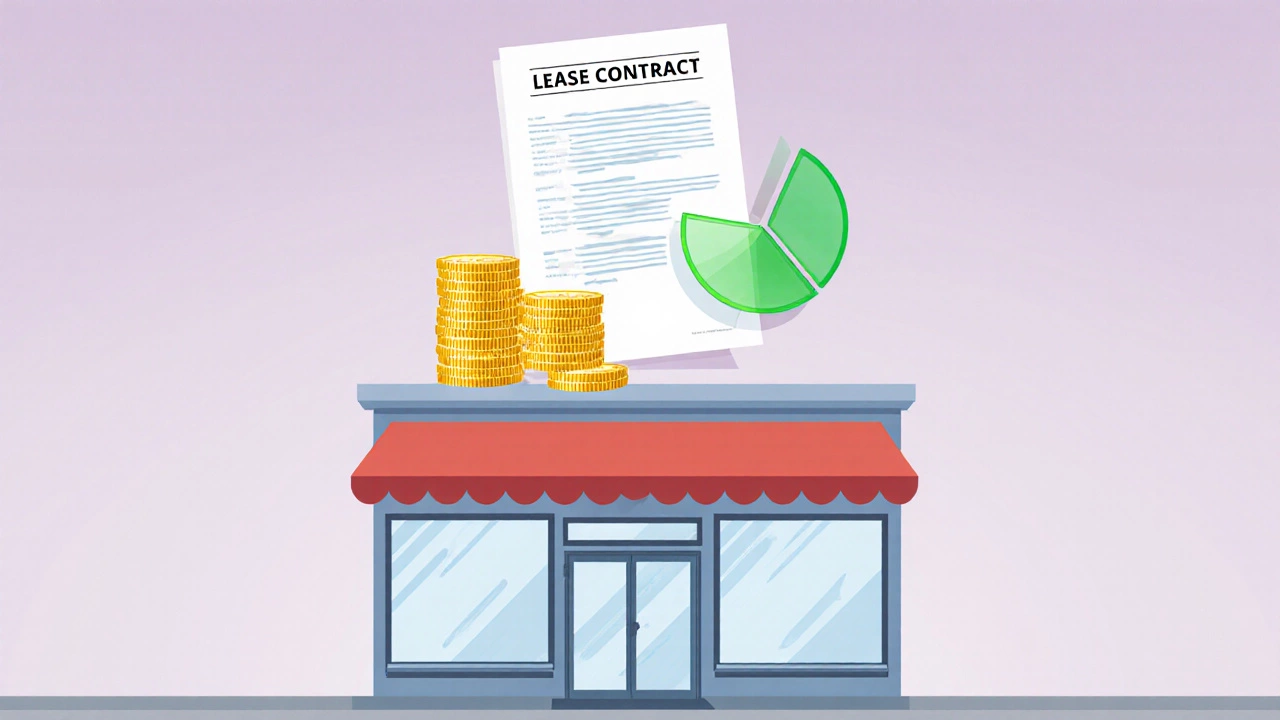
When you hear percentage lease, a commercial rental agreement where rent is based on a portion of the tenant’s sales. Also known as graduated lease or revenue-based rent, it’s a common way landlords in shopping centers and retail strips align their income with how well their tenants are doing. Unlike flat rent, where you pay the same amount every month, a percentage lease means your rent goes up when sales go up—and sometimes down when business is slow. This model is especially popular in malls, strip centers, and high-traffic retail locations where foot traffic drives sales.
For landlords, property owners who rent out commercial spaces, this isn’t just a way to get paid—it’s a way to share risk and reward. If a store thrives, the landlord earns more. If it struggles, the landlord doesn’t get stuck with a tenant who can’t pay. It’s a partnership. For tenants, businesses renting commercial space, especially small retailers or startups, it can mean lower upfront costs. You don’t need to pay high fixed rent before you even open your doors. But you also can’t hide profits—your sales numbers become part of your lease agreement. Most percentage leases include a base rent (a minimum you pay no matter what) plus a percentage of sales above a certain threshold, called the breakpoint, the sales level at which percentage rent kicks in. That breakpoint is often negotiated and can make or break a deal.
This kind of lease shows up often in places where foot traffic and branding matter—think clothing stores, restaurants, or beauty salons in busy areas. It’s less common in offices or warehouses, where sales don’t directly connect to the space. You’ll see it in posts about commercial property marketing, tenant screening, and lease structures because it’s a smart tool for both sides when used right. But it’s not foolproof. If a tenant’s sales drop due to market shifts, not poor management, the landlord still loses. And if sales spike unexpectedly, the tenant might end up paying more than they planned.
What you’ll find in the posts below are real examples of how percentage leases play out in practice—from how to calculate them, to what happens when a tenant refuses to share sales data, to how landlords use them to attract better tenants. You’ll also see how they tie into broader topics like commercial property valuation, rental income strategies, and how to structure leases that work for both sides. Whether you’re a landlord trying to maximize returns or a business owner trying to keep costs manageable, understanding percentage leases helps you make smarter, less risky decisions in commercial real estate.
Oct, 13 2025-0 Comments