Lease Protection During Sale: What You Need to Know Before Signing
When a property sells, your lease, a legally binding agreement between tenant and landlord that outlines rent, duration, and responsibilities. Also known as a rental agreement, it doesn’t vanish just because the owner changes hands. In India, and most places worldwide, your lease stays active—even if the building gets bought by a new investor, a corporation, or a private buyer. The new owner steps into the landlord’s shoes. They can’t kick you out just because they want to live there, flip the space, or raise the rent overnight.
This is called lease protection during sale, the legal principle that ensures tenants keep their rights even after a property changes ownership. It’s not a suggestion. It’s enforceable under Indian contract law and common tenancy protections. If you’ve signed a fixed-term lease—say, for one or two years—the new owner must honor it until the end date. They can’t force you out early unless you break the terms yourself. And if you’re on a month-to-month rental, they still need to give you proper notice, usually 30 to 60 days, depending on local rules.
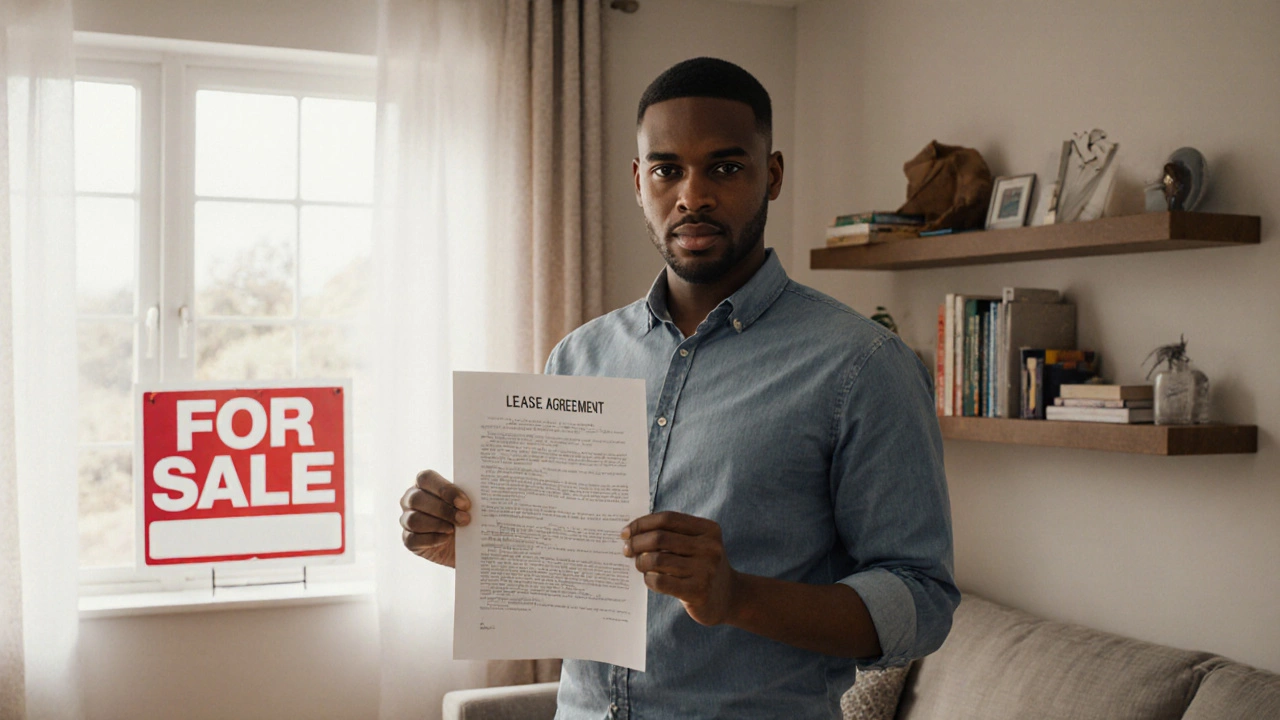
But here’s where things get messy: many tenants don’t know their rights. They see a "For Sale" sign and panic, thinking they’ll be evicted. Others sign new leases with the buyer without realizing they’re giving up protections they already had. And some landlords try to pressure tenants into leaving by cutting services, raising rent unfairly, or even changing locks. That’s illegal. You don’t have to move unless the law says you can be asked to—and even then, you’re owed notice, sometimes compensation.
Commercial tenants face similar but more complex rules. A commercial lease, a contract for business space that often includes clauses about rent adjustments, renewal options, and use restrictions. might have a clause about assignment or transfer. But even then, the tenant’s rights usually survive the sale unless the lease specifically says otherwise—and even then, courts often side with the tenant if the new owner tries to change terms unfairly. In places like Mumbai or Bangalore, where commercial spaces are tight and demand is high, landlords sometimes try to reset rents after a sale. Don’t let them. Your signed lease is your shield.
What should you do if your landlord sells? First, keep a copy of your lease. Second, note who owns the property now—get the new owner’s contact info. Third, if they try to change your rent, end your lease, or deny you access, remind them: the lease survives the sale. If they still push back, you can file a complaint with your local rent control authority or consumer court. Many tenants never do this because they think it’s too complicated. But you don’t need a lawyer to send a simple written notice. Just state your rights clearly.
You’ll find posts below that dig into real cases: what happens when a landlord sells a 2BHK apartment in Delhi and tries to evict a tenant mid-lease, how Virginia landlords handle deposit refunds after a sale, and how commercial property buyers in Australia navigate existing leases. These aren’t hypotheticals. They’re real situations people face every day. Whether you’re renting a home, a shop, or an office, knowing how lease protection during sale works means you won’t be caught off guard when the owner changes. You’ll know your rights, when to speak up, and how to hold the new owner to the same rules as the old one.
Nov, 20 2025-0 Comments