Commercial Property Credit Score: What It Is and How It Affects Your Deal
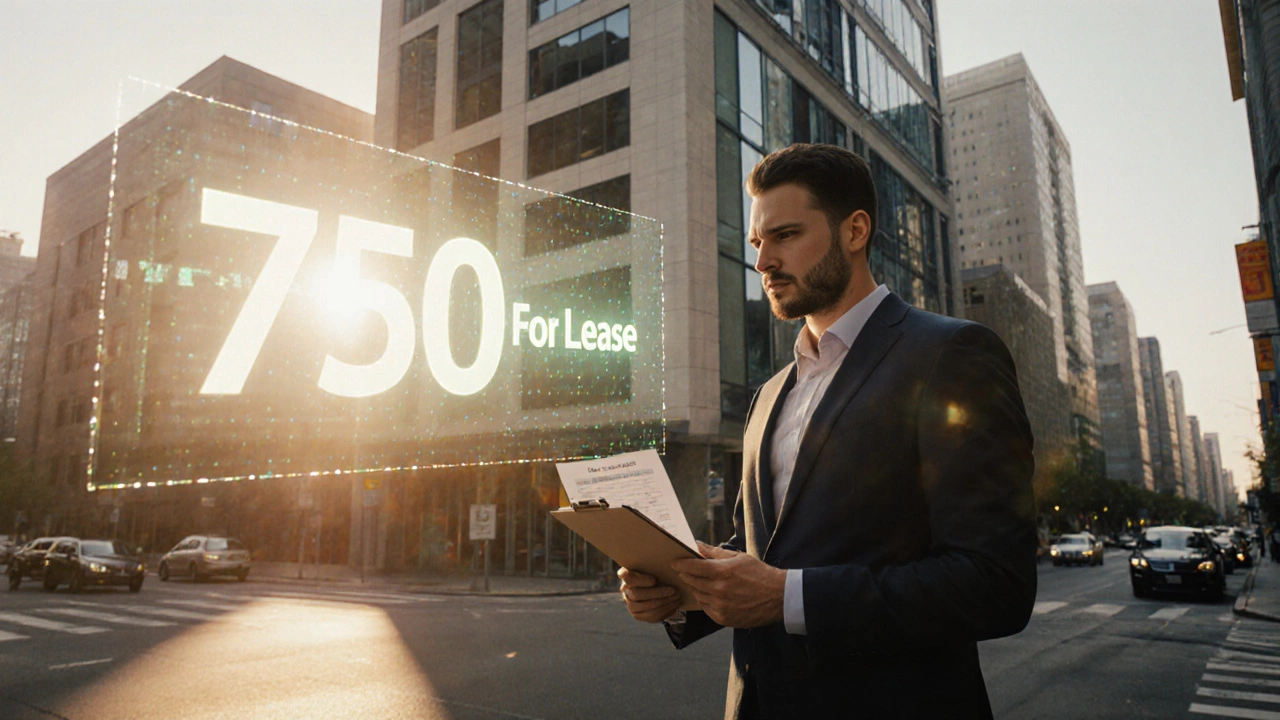
When you're looking to rent or buy commercial property, a physical space used for business operations like offices, retail stores, or warehouses. Also known as CRE (commercial real estate), it's not just about location and square footage—you also need a solid commercial property credit score, a financial rating that tells landlords and lenders how likely you are to pay rent or loan installments on time. Unlike personal credit scores, this one tracks your business’s payment history, outstanding debts, and how you’ve handled leases in the past. It’s not something you check on a mobile app—it’s pulled from business credit bureaus like Dun & Bradstreet, Experian Business, or Equifax Business.
Landlords don’t just look at your bank balance. They want proof you’ve paid other commercial tenants or lenders reliably. A low score can mean higher security deposits, shorter lease terms, or even getting turned down outright. On the flip side, a strong score can get you better rent deals, flexible payment plans, or even help you qualify for a commercial mortgage without a huge down payment. If you’re a tenant, your score affects your ability to get a prime retail spot in a busy mall. If you’re an investor buying a building, lenders use it to decide if you’re worth the risk. This isn’t just paperwork—it’s the hidden gatekeeper to your next business space.
It’s not just about your business either. If you’re a startup with no track record, landlords might ask for a personal guarantee, which means your personal credit score, a three-digit number reflecting your individual borrowing and repayment habits. Also known as FICO score, it’s often used to back up business applications when the company is too new to have its own history. That’s why many new business owners work on improving their personal credit before signing a commercial lease. And if you’re a landlord, you’re probably screening tenants the same way: checking their payment history on previous retail or office spaces, not just their business plan. The property financing, the process of securing a loan or lease to acquire or operate a commercial property. Also known as commercial lending, it’s the engine behind most property deals. runs on trust—and your credit score is the currency.
What you’ll find in the posts below isn’t theory. It’s real-world examples of how credit scores impact commercial deals—from landlords who lost money on tenants with shaky records, to investors who used a high score to lock in a 10-year lease at below-market rates. You’ll see how zoning, tenant mix, and even building age can influence what lenders are willing to offer. And you’ll learn what steps actually work to fix a low score before walking into a broker’s office. This isn’t about guessing. It’s about knowing what numbers matter, and how to make them work for you.
Nov, 25 2025-0 Comments