
Virginia Public Housing Eligibility Checker
Answer the following questions:
Check the boxes that apply to your situation to see your potential status.
You do not appear to have any immediate disqualifiers.
Next step: Contact your local PHA to verify your income against current AMI limits.
One or more of your answers may disqualify you.
Some PHAs may consider mitigating circumstances. You can still apply or seek LIHTC properties.
Quick Takeaways: Common Deal-Breakers
- Income exceeding the local Area Median Income (AMI) limits.
- Past evictions from other government-funded housing.
- Criminal history involving violent crimes or drug manufacturing.
- Ownership of any real estate or residential property.
- Failure to provide complete and verifiable documentation.
The Income Ceiling: When You Earn Too Much
The most common reason people are turned away is simply that they make too much money. Public housing is designed for low-income families, and the U.S. Department of Housing and Urban Development (HUD) sets strict income limits based on the specific region of Virginia where you apply. For instance, the limits in Northern Virginia (Fairfax or Loudoun) are significantly higher than those in Southwest Virginia (Bristol or Wythe) because the cost of living is drastically different.
You are generally disqualified if your total annual household income exceeds the Area Median Income (AMI) threshold. Usually, the limit is set at 80% of the AMI for most public housing units, though some programs target those at 50% or lower. If you get a raise at work or a spouse returns to employment mid-application, you might suddenly find yourself over the limit. This isn't just about your base salary; HUD looks at gross income, which includes social security, pensions, child support, and even some unemployment benefits.
| Income Type | Impact on Eligibility | Common Pitfall |
|---|---|---|
| Full-time Wages | Directly counted toward AMI | Forgetting to include bonuses or overtime |
| Social Security | Counted as gross income | Assuming it's "non-taxable" and therefore exempt |
| Child Support | Generally counted | Underreporting informal payments |
| Investment Dividends | Counted toward assets/income | Small stock portfolios pushing you over the limit |
Criminal Background and Safety Restrictions
Your past can definitely impact your future housing. Public housing authorities (PHAs) in Virginia prioritize the safety of the community. This means a background check is a non-negotiable part of the process. While a decades-old misdemeanor might not hurt you, certain types of convictions are automatic disqualifiers.
The biggest red flags are convictions for the manufacture or distribution of Controlled Substances. If you've been convicted of producing meth or selling narcotics, HUD guidelines often mandate a lifetime ban from public housing. Additionally, violent crimes-such as assault with a deadly weapon or homicide-can lead to a denial. However, it's not always a black-and-white decision. Many PHAs will consider "mitigating circumstances," such as the amount of time since the crime or evidence of rehabilitation, but the burden of proof is on you to show why you aren't a threat.

Previous Housing Failures and Evictions
If you've lived in government-subsidized housing before, your track record follows you. A history of lease violations is one of the fastest ways to get disqualified. Specifically, if you were evicted from a Section 8 voucher program or another public housing project for "serious or repeated non-compliance," you're likely to be rejected.
What counts as a serious violation? Think things like destroying property, engaging in illegal activity on the premises, or consistently failing to pay rent. Even if you weren't formally evicted but were asked to leave via a mutual agreement because of behavioral issues, the PHA may still see this as a disqualifier. On the flip side, an eviction from a private landlord is usually less damaging than an eviction from a federal program, though it still makes you a higher-risk candidate.
The Asset Trap: Owning Other Property
Public housing is intended for those who truly have no other options. Because of this, owning any other real estate-no matter how small or dilapidated-is usually an immediate disqualifier. If you own a small plot of inherited land in rural Virginia or a tiny cabin in the mountains, you are technically a homeowner. Even if that property is uninhabitable or produces zero income, the program views it as an asset that replaces the need for public assistance.
It's not just about the deed to a house. Large sums of cash or liquid assets can also be a problem. While HUD focuses more on annual income than total net worth, some local authorities have asset limits. If you have $100,000 sitting in a savings account, the agency will likely decide you have the means to find a private rental, regardless of your monthly paycheck.
Application Errors and Documentation Gaps
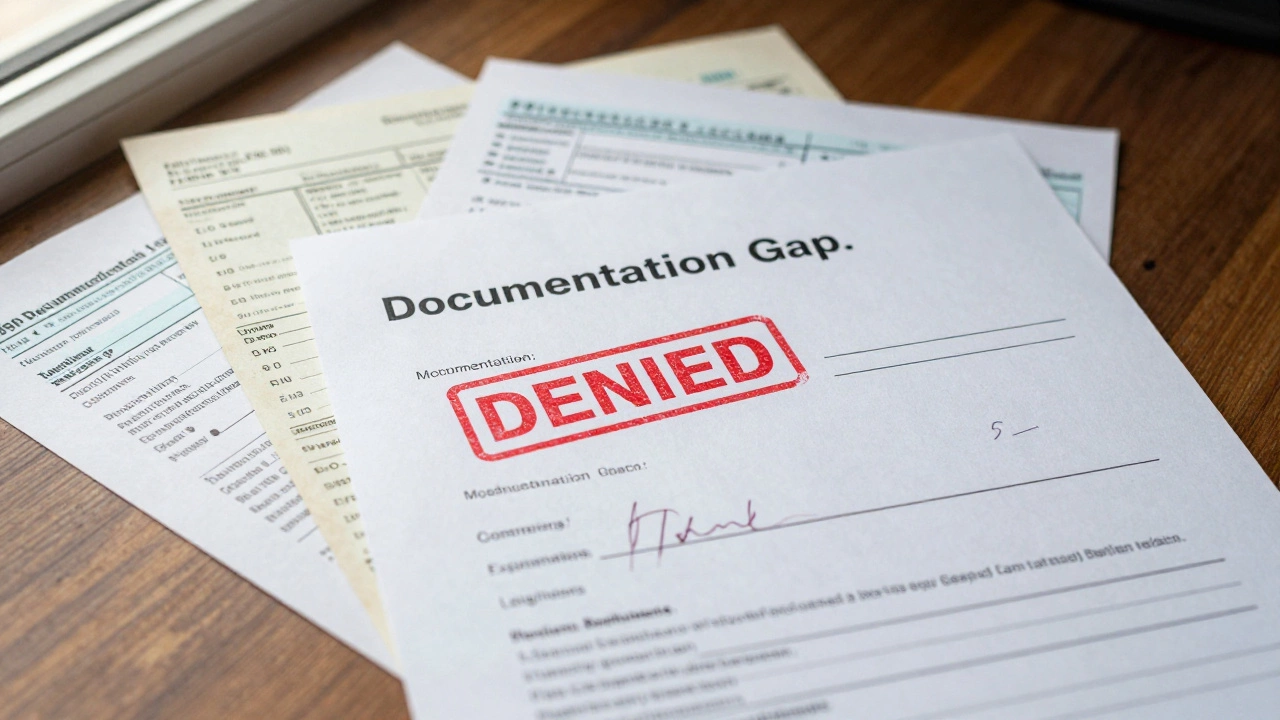
Believe it or not, many people are disqualified not because they aren't eligible, but because they can't prove it. In the world of government bureaucracy, a missing signature is as bad as a failed background check. If you provide incomplete information or, worse, intentionally omit a family member to lower your household income, you can be flagged for fraud.
Common documentation failures include:
- Providing an outdated pay stub instead of the most recent 30 days of earnings.
- Failing to list all members of the household, including newborns or temporary guests.
- Inconsistent reporting of income between the application and tax returns.
- Missing deadlines for "recertification" (the process of proving you're still eligible after you've already moved in).
Once a PHA labels an application as "fraudulent" due to omitted information, it's incredibly hard to get back on the list. They don't just deny the application; they may bar you from applying for a set period, often two to five years.
The Role of the PHA in Decision Making
It is important to understand that while HUD provides the federal framework, the local Public Housing Agency (PHA) handles the actual screening. This means that rules in Richmond might feel slightly different than rules in Alexandria. The PHA has a certain amount of discretion regarding "preferences."
While a preference doesn't disqualify you, the lack of one can keep you on a waiting list for years. Priorities are often given to veterans, the elderly, people with disabilities, or those currently experiencing homelessness. If you don't fit into a preference category and there's a massive backlog, you might be "effectively" disqualified by the sheer length of the wait, even if you meet all the legal requirements.
Can I be disqualified if I have a credit score of 500?
Generally, no. Public housing is not based on credit scores the way private apartments are. They care about your income and your history with other government programs, not whether you have a high credit score. However, a history of unpaid debts to another housing authority could be a problem.
Does a DUI disqualify me from public housing in Virginia?
Typically, a single DUI does not disqualify you. Disqualifications are usually reserved for violent crimes or drug-related felonies (manufacturing/trafficking). Unless your DUI involved a violent crime or was part of a larger pattern of dangerous behavior, it is unlikely to be the sole reason for a denial.
What happens if I make too much money AFTER I move in?
This is called "over-income." You aren't always kicked out immediately. Often, your rent will simply increase to reflect your higher income. However, if you far exceed the limits during your annual recertification, the PHA may notify you that you are no longer eligible and give you a grace period to find new housing.
Will owning a car disqualify me?
No, owning a vehicle does not disqualify you from public housing. Cars are considered personal property, not real estate. Unless the car is an exotic multi-million dollar collection that suggests you have massive hidden assets, it won't affect your eligibility.
Can I appeal a disqualification decision?
Yes. If you are denied, the PHA must provide a written explanation. You usually have a short window (often 10-14 days) to request an "informal hearing." This is your chance to present evidence, such as a letter from a parole officer or proof that an income spike was a one-time event.
Next Steps: What to Do If You're Denied
If you find yourself disqualified, don't panic-there are other paths to affordable living. First, request the exact reason for your denial in writing. If the issue was a documentation error, you can often submit a corrected application. If the issue was income, look into Low-Income Housing Tax Credit (LIHTC) properties. These are privately owned but receive tax credits to keep rents low; they often have more flexible entry requirements than government-run public housing.
For those with a criminal record, seek out "second chance' housing providers. Some non-profits in Virginia specialize in helping formerly incarcerated individuals find stable homes. Lastly, keep an eye on the different PHAs across the state. Since eligibility and waitlists are handled locally, you might be disqualified in one city but meet the criteria in a neighboring county with different priorities.