
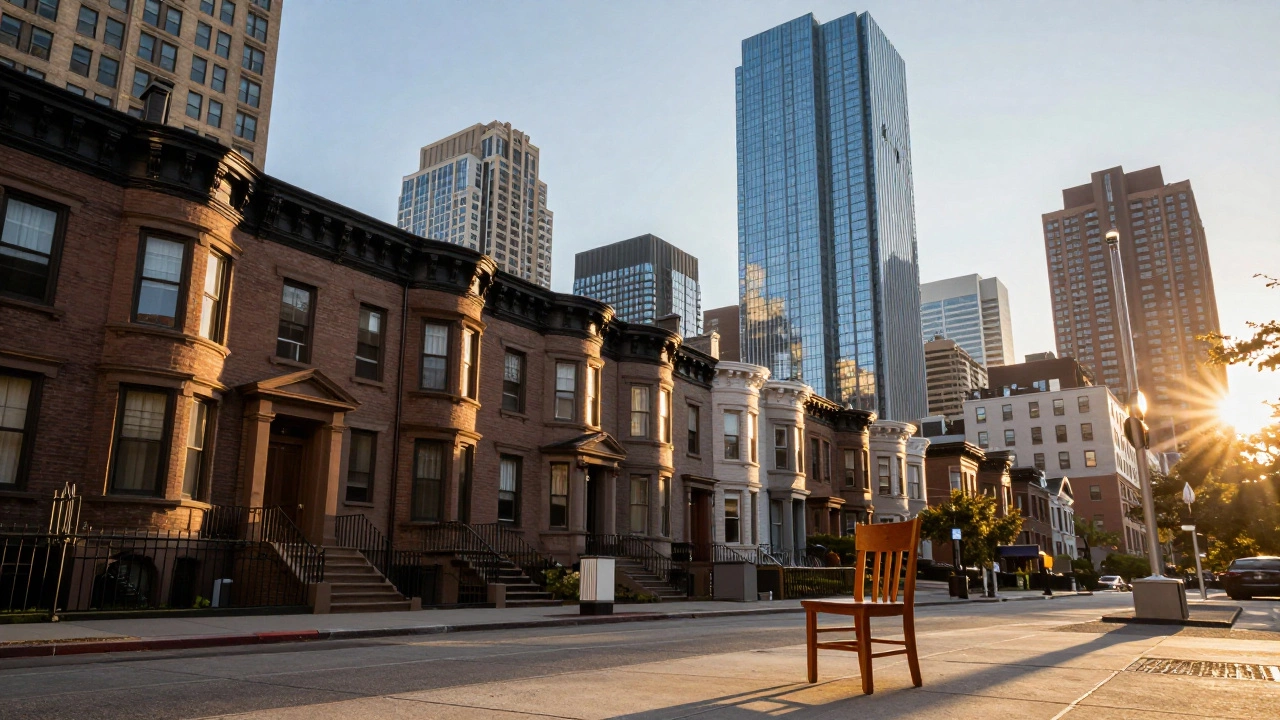
The Heavy Hitters: Where Rent Peaks
When we talk about the most expensive states, Massachusetts and California usually fight for the top spot. Why? Because they have high concentrations of high-paying jobs in tech and biotech. If you're looking for a 2BHK in the Greater Boston area or the Bay Area, you're not just paying for a roof; you're paying for proximity to the economic engines of the coast. In Massachusetts, specifically around the Boston metro, 2BHK units often cross the $3,500 mark. The demand is relentless because of the university clusters. When thousands of students and young professionals compete for a limited number of brownstones and modern complexes, landlords have all the leverage. California follows closely, though it's a tale of two markets. While San Francisco remains a pricing titan, cities like Los Angeles have seen a surge in rent as people migrate away from the extreme peaks of the North Bay.Breaking Down the 2BHK Price Gap
Why focus on the 2BHK? Because it's the sweet spot for roommates or small families. It's the most contested unit type in the market. In states like New York, the 2BHK is the gold standard for urban survival. In New York City, a decent two-bedroom in a desirable neighborhood like Brooklyn or Manhattan can easily eat up 50% of a household's pre-tax income. This is far above the recommended 30% threshold suggested by most financial advisors.| State | Est. Monthly Rent (2BHK) | Primary Price Driver | Affordability Rating |
|---|---|---|---|
| Massachusetts | $3,200 - $4,100 | Academic/Biotech Hubs | Very Low |
| California | $3,000 - $3,800 | Tech Industry/Coastal Land | Low |
| New York | $2,900 - $4,500 | Financial Center/Limited Space | Very Low |
| Washington | $2,400 - $3,100 | Cloud Computing/Tech Growth | Medium-Low |
| Florida | $2,100 - $2,800 | Retirement/Remote Work Migration | Medium |
The Hidden Costs of High-Rent States
It's not just about the base rent. In the most expensive states, you deal with "premium friction." For example, in New York, you might encounter a "broker fee," which is essentially a payment to the agent for finding the apartment. This fee can be as high as 15% of the annual rent. Imagine paying $4,000 a month and then handing over another $7,000 just to get the keys. It's a brutal blow to your savings. Then there's the utility shock. In high-rent states, the buildings are often older. In the Northeast, you're dealing with ancient radiators that leak heat or window units that struggle against the humidity. This means your "fixed" cost of living is actually much higher than the number on the lease agreement. When you factor in the cost of Real Estate taxes passing through to the tenant via rent hikes, the financial pressure becomes a permanent state of being.
Why Some States Are Seeing a Rent Explosion
What's causing this? It's a classic supply-and-demand nightmare. Look at Washington. With the growth of the cloud computing sector, Seattle has become a magnet. However, the city can't build high-density housing fast enough to keep up. When you have 10,000 people moving into a city for high-paying jobs but only 2,000 new apartments hitting the market, prices skyrocket. Another factor is the Affordable Housing crisis. Many states have strict zoning laws that prevent the construction of "missing middle" housing-like duplexes or small apartment buildings. This forces everyone into a few large, expensive complexes or old, overpriced houses. This lack of inventory creates a floor for prices; rents can't drop because there's simply nowhere else for people to go.Practical Tips for Managing High Rents
If you have to live in one of these expensive states, you need a strategy. One of the best ways to lower the cost of a 2BHK is to look at "satellite cities." Instead of living in the heart of San Francisco, look at the East Bay. Instead of Manhattan, look at Jersey City. You might add 30 minutes to your commute, but you could shave $800 off your monthly bill. Another pro tip is to negotiate. While it's hard in a landlord's market, offering a longer lease (18 months instead of 12) can sometimes persuade a landlord to drop the rent by $50 or $100. Why? Because they avoid the cost of vacancy and the effort of finding a new tenant. Every bit helps when you're spending a significant portion of your paycheck on a highest apartment rent territory.
Comparing the Coasts: East vs. West
There's a distinct difference in how rent behaves on each coast. On the East Coast, specifically the Northeast Corridor, rent is driven by density. You're paying for the ability to walk to a train or a subway. The 2BHKs here are often smaller, with quirky layouts and limited natural light, but the location is the product. On the West Coast, it's more about the lifestyle and the specific industry cluster. In California, you might get a slightly larger 2BHK than in New York, but you'll pay a premium for "amenities" like gated parking or a gym. The West Coast market is also more susceptible to sudden spikes based on tech industry growth. When a new headquarters opens, the surrounding rentals jump overnight.The Role of Local Regulations
Not all high-rent states are the same because of Legal and Agreements frameworks. Some cities have rent control laws that cap how much a landlord can increase the rent each year. This creates a "two-tier" market: people in rent-controlled units pay very little, while newcomers in new buildings pay an absolute fortune. If you're moving to a state like California, check if the unit is subject to the California Tenant Protection Act. Knowing your rights regarding rent caps can save you from an unexpected 20% increase after your first year. Without these protections, you're essentially gambling on the market's volatility every time your lease comes up for renewal.Which state is officially the most expensive for rent?
While it fluctuates, Massachusetts and California consistently top the charts. Massachusetts often takes the lead due to the extreme demand in the Boston metro area, while California maintains high averages across multiple major cities like San Francisco and Los Angeles.
Is a 2BHK usually more expensive than a 1BHK per square foot?
Generally, yes. 2BHK units are in higher demand because they allow for roommates to split the cost, which increases the competition for these specific layouts. This often drives the price per square foot higher than in smaller one-bedroom units.
How can I find cheaper apartments in a high-rent state?
Look for "up-and-coming" neighborhoods just outside the city center. Use filter tools on rental sites to find "no-fee" apartments to avoid paying brokers. Additionally, consider renting from a private landlord rather than a large corporate management company, as they are often more open to negotiation.
Do high-rent states offer better apartment quality?
Not necessarily. In cities like New York or Boston, you often pay a premium for the location, while the apartment itself might be an old building with outdated plumbing and poor insulation. Always prioritize a physical walkthrough over the photos in the listing.
What is the best time of year to rent in expensive states?
Late autumn and winter (November to February) are typically the cheapest times to rent. Demand drops significantly during the holidays and cold weather, meaning landlords are more likely to offer concessions or lower the monthly rent to avoid a vacancy.