
Virginia Rent-to-Own Calculator
Calculate Your Rent-to-Own Agreement
Estimate your potential costs, credits, and risks before signing a rent-to-own contract in Virginia.
Results
Total Rent Credits: $0
Monthly Rent Credit: $0
Total Lease Payments: $0
Remaining Balance: $0
Option Fee Cost: $0
Total Potential Loss: $0
When you hear "rent-to-own," you might picture a path to homeownership without a big down payment. But in Virginia, this isn’t just a simple deal-it’s a legal contract with serious risks and strict rules. If you’re considering a rent-to-own home in Virginia, you need to know what’s allowed, what’s not, and how to protect yourself before signing anything.
What Exactly Is Rent-to-Own?
Rent-to-own, also called a lease-option or lease-purchase agreement, lets you rent a home with the option-or sometimes the obligation-to buy it later. Part of your monthly rent often goes toward the future purchase price. That’s the appeal: you live in the house now and build equity while saving up for a mortgage.
But here’s the catch: this isn’t a standard rental. It’s a complex legal document that binds both parties. In Virginia, these agreements are legal-but only if they follow state laws. Many people get trapped because they don’t understand the fine print.
Virginia Law on Rent-to-Own Agreements
Virginia treats rent-to-own contracts as real estate transactions, not just leases. That means they fall under the Virginia Residential Landlord and Tenant Act and the Virginia Real Estate Brokerage Relationships Act. The state doesn’t ban rent-to-own, but it demands transparency.
By law, the seller must give you a written contract that clearly states:
- The total purchase price of the home
- How much of your monthly rent is applied to the purchase price
- The exact time frame for exercising the option to buy
- What happens if you don’t buy at the end
- Who is responsible for repairs, taxes, and insurance
If any of these details are missing, the contract could be voided in court. Many people lose their money because they signed a vague agreement and later found out the seller never intended to sell.
How Rent-to-Own Works in Practice
Let’s say you find a house listed for $250,000 under a rent-to-own deal. You agree to pay $1,800 per month in rent. Of that, $300 is labeled as a "rent credit" toward the purchase price. The lease term is two years, and you have the option to buy at the end.
At the end of two years, you’ve paid $7,200 in rent credits. That’s $7,200 toward the $250,000 price. But here’s what most people miss: the purchase price is usually locked in at the start-even if the market goes up. That sounds good, right? Until you realize the seller might have overpriced the home to begin with.
And if your credit doesn’t improve in two years? You lose everything you paid. The rent credits vanish. The upfront option fee-often $3,000 to $10,000-is non-refundable. You walk away with nothing.
Red Flags in Virginia Rent-to-Own Deals
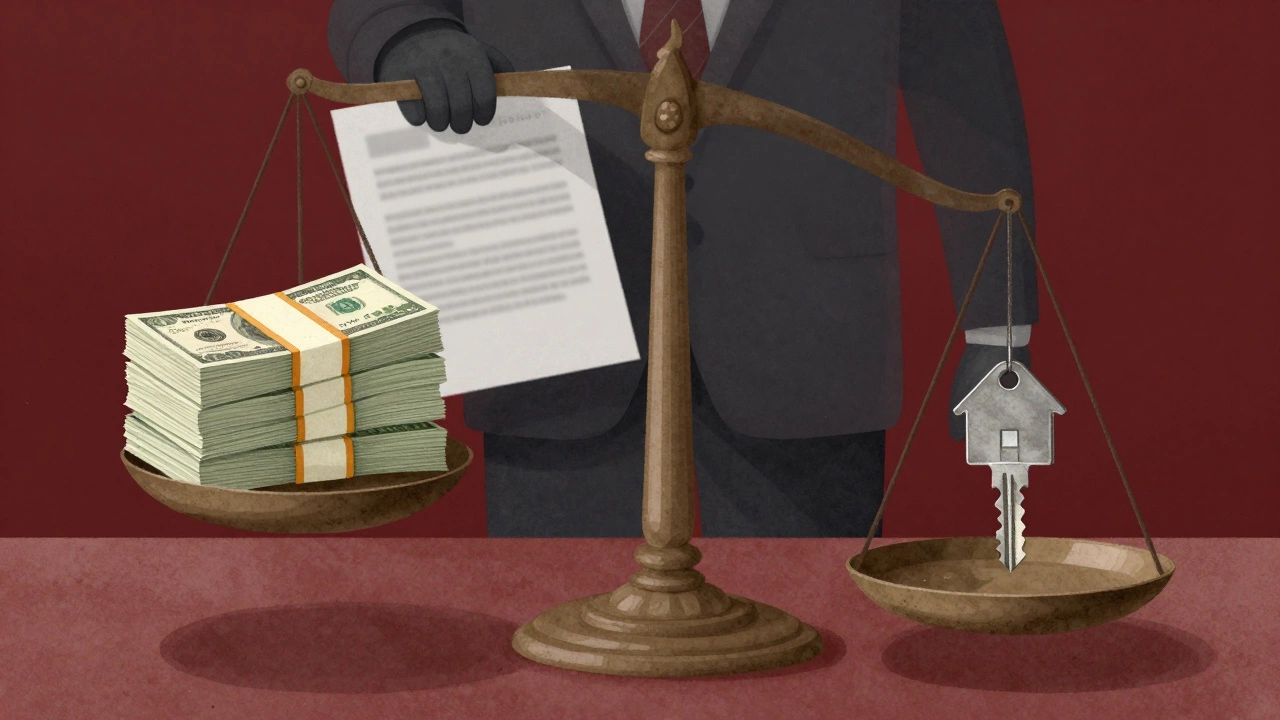
Not all rent-to-own offers are scams-but many are poorly structured. Watch out for these warning signs:
- No written contract or vague terms
- Pressure to sign quickly
- Seller refuses to let you hire your own inspector
- The purchase price isn’t clearly stated
- The seller is not the legal owner of the property
- They ask for cash payments without receipts
In 2023, the Virginia Attorney General’s office reported 127 complaints about rent-to-own scams. Most involved people paying thousands in rent credits, only to find out the property had a lien or the seller didn’t own it.
What Happens If You Can’t Buy at the End?
Most people don’t realize rent-to-own isn’t guaranteed homeownership. It’s an option, not a promise. If you can’t get a mortgage by the end of the term, you lose your rent credits and option fee. No refunds. No exceptions.
Some contracts even include a "purchase obligation" clause, meaning you’re forced to buy. That’s rare but legal in Virginia-if clearly stated. If you see this, walk away unless you’re 100% sure you’ll qualify for a loan.
How to Protect Yourself
If you’re serious about a rent-to-own home in Virginia, follow these steps:
- Get a written contract reviewed by a real estate attorney-don’t rely on the seller’s lawyer.
- Verify the seller owns the property with a title search through a local title company.
- Get an independent home inspection before signing.
- Make sure your rent credits are clearly itemized in the contract.
- Ask for a copy of the seller’s mortgage statement to confirm they’re not behind on payments.
- Never pay cash. All payments should go through escrow or be traceable.
Also, ask for a copy of the seller’s property tax records. If taxes are delinquent, you could inherit that debt if you buy.
Alternatives to Rent-to-Own in Virginia
There are safer paths to homeownership in Virginia:
- First-time homebuyer programs through the Virginia Housing Development Authority (VHDA) offer low-down-payment loans and down payment assistance.
- VA loans for veterans require no down payment and have flexible credit rules.
- FHA loans allow as little as 3.5% down and are widely available.
- Down payment assistance grants from local nonprofits can cover 5-10% of the purchase price.
These programs don’t lock you into risky contracts. They help you buy legally, with protections built in.
Bottom Line: Proceed with Extreme Caution
Rent-to-own is legal in Virginia-but it’s not for everyone. It’s a high-risk option that works only if you’re confident you’ll qualify for a mortgage in 1-3 years and the terms are crystal clear. Most people who enter these deals end up worse off than when they started.
If you’re considering it, treat it like a business deal, not a dream. Get legal advice. Verify ownership. Document everything. And always, always have an exit plan.
There’s no shame in renting while you save and improve your credit. The real failure isn’t waiting-it’s losing your money on a contract that wasn’t built to help you succeed.
Is rent-to-own legal in Virginia?
Yes, rent-to-own agreements are legal in Virginia, but they must follow strict state laws. The contract must be in writing and clearly state the purchase price, how much rent goes toward ownership, the time frame to buy, and what happens if you don’t buy. If these details are missing, the contract may be unenforceable.
Can I lose my money in a rent-to-own deal in Virginia?
Yes. If you don’t buy the home at the end of the lease term, you typically lose all rent credits and any upfront option fee. These payments are non-refundable unless the contract says otherwise-which is rare. Many people lose thousands because they assumed they’d automatically own the home.
Do I need a lawyer for a rent-to-own agreement in Virginia?
You absolutely should. Virginia law doesn’t require it, but the risks are too high to skip legal advice. A real estate attorney can spot hidden clauses, verify ownership, and ensure your rent credits are protected. Most attorneys offer flat fees for contract reviews-far less than what you could lose.
Can the seller raise the price at the end of the lease?
No, not if the contract is properly written. Virginia law requires the purchase price to be clearly stated in the agreement. If it’s not, the contract is invalid. Be wary of sellers who say "the price will be based on market value at the time of purchase"-that’s a red flag.
Are rent-to-own homes in Virginia usually in bad condition?
Many are. Sellers often use rent-to-own to offload properties they can’t sell through traditional means. These homes may need major repairs, and the contract usually makes you responsible for them. Always get an independent inspection before signing.
What’s the best alternative to rent-to-own in Virginia?
Virginia Housing Development Authority (VHDA) programs offer down payment assistance and low-interest loans for first-time buyers. FHA and VA loans also allow low down payments and flexible credit requirements. These options are safer, regulated, and give you real ownership without the risk of losing your payments.