
Virginia Section 8 Eligibility & Resource Finder
Use this tool to check basic eligibility criteria and find resources for your local Public Housing Authority (PHA).
Your Results:
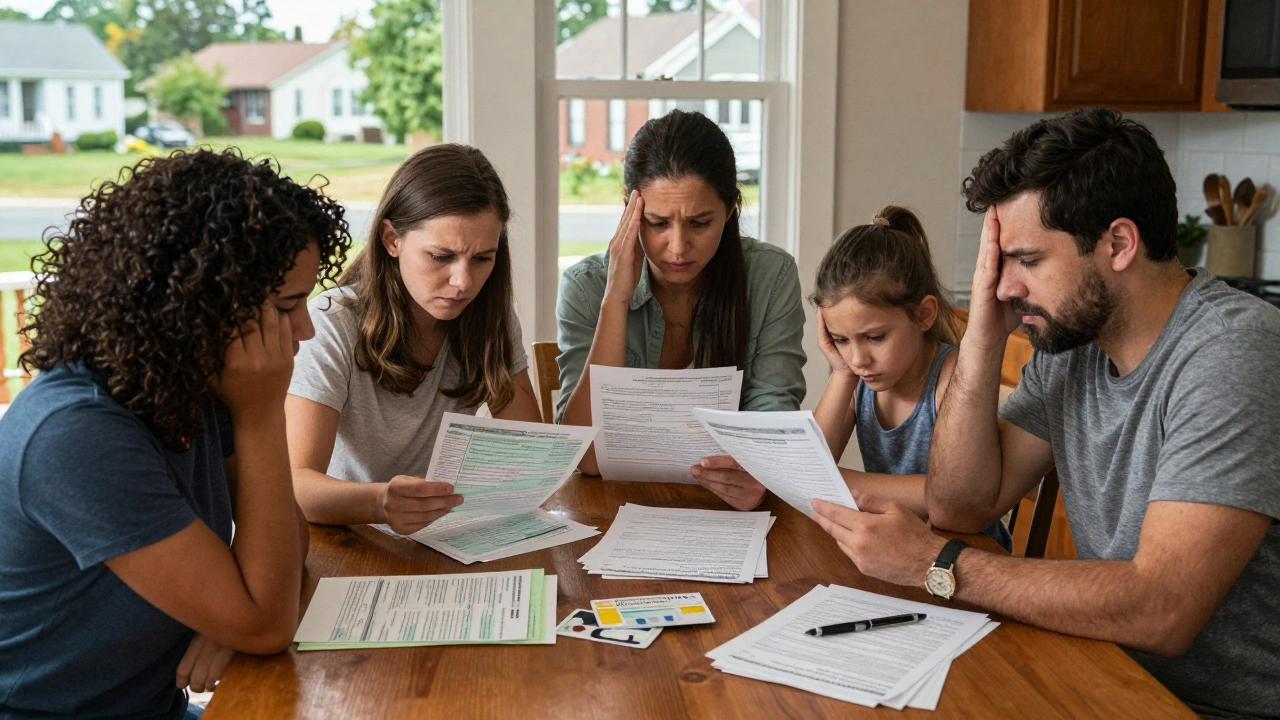
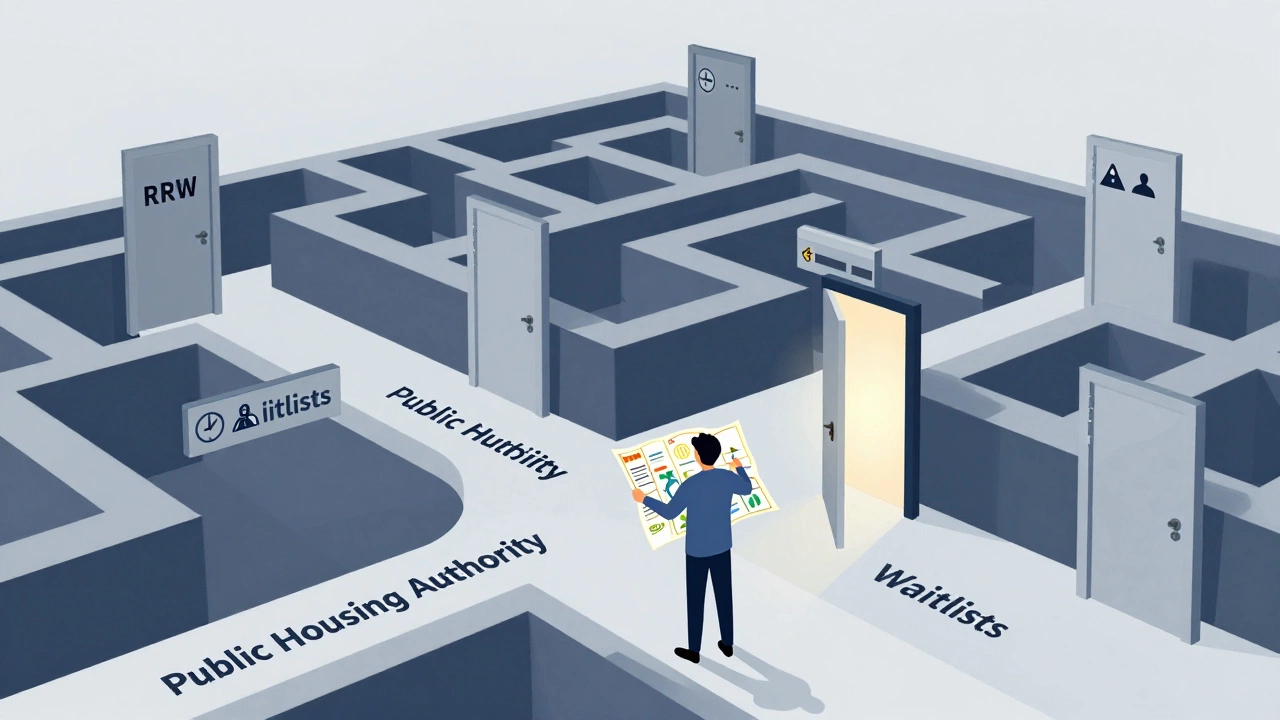
Trying to find affordable housing in Virginia can feel like running a marathon with no finish line. Rent prices have climbed sharply across the state, from Northern Virginia’s tech hubs to the coastal communities of Hampton Roads. For many families, the Housing Choice Voucher Program-commonly known as Section 8-is the only way to keep a roof over their heads without spending more than half their income on rent. But here is the hard truth: getting approved isn’t just about filling out a form. It involves navigating a complex system managed by local Public Housing Authorities (PHAs), dealing with long waitlists, and proving your eligibility through strict financial checks.
If you are looking for how to get Section 8 in Virginia, you need to understand that there is no single "Virginia Section 8" application. Instead, each county and city manages its own program under the federal guidelines set by the U.S. Department of Housing and Urban Development (HUD). This guide will walk you through exactly where to apply, what documents you need, and how to improve your chances of securing this vital assistance.
Understanding How Section 8 Works in Virginia
Before you start gathering paperwork, it helps to know who is actually handing out the vouchers. In Virginia, the responsibility falls on local Public Housing Authorities (local government agencies that administer federal housing programs). Whether you live in Arlington, Richmond, or Norfolk, your local PHA is the gatekeeper for the Housing Choice Voucher (a federal subsidy that pays landlords directly for low-income tenants).
The program works simply in theory but requires precision in practice. Once you receive a voucher, you still need to find an apartment or house that accepts Section 8. The landlord must agree to participate, and the unit must pass a housing quality inspection. If both conditions are met, the PHA pays a portion of the rent directly to the landlord, while you pay the remaining amount based on your income. Typically, you will contribute about 30% of your adjusted monthly income toward rent and utilities.
It is crucial to distinguish between two types of assistance often confused in Virginia:
- Housing Choice Vouchers (Section 8): You choose your home anywhere in the jurisdiction, as long as the landlord agrees and the rent is within fair market limits.
- Public Housing: You live in a specific building or community owned and managed by the PHA. These units are scarce and often have separate, even longer, waiting lists.
This article focuses on the Housing Choice Voucher because it offers more flexibility and is the most common form of rental assistance people seek when asking "how to get Section 8."
Step 1: Check Eligibility Requirements
Not everyone qualifies for Section 8. The U.S. Department of Housing and Urban Development sets strict criteria to ensure the limited funds go to those with the greatest need. Before applying, verify that you meet these basic standards:
- Income Limits: Your annual gross income must fall below 50% of the median income for your area (low-income) or 80% (very-low-income). Prioritization often goes to households earning below 30% of the median. HUD updates these limits annually, so check the current figures for your specific Virginia county.
- Citizenship Status: At least one member of the household must be a U.S. citizen or have qualified immigration status.
- Non-Discrimination: PHAs cannot deny you based on race, color, national origin, religion, sex, familial status, or disability. However, they can deny applicants based on criminal history, prior eviction records, or failure to pay rent or utilities in the past.
If you are currently homeless, a victim of domestic violence, or paying more than 50% of your income on rent, you may qualify for priority placement. Make sure to highlight these circumstances during your application process.
Step 2: Find Your Local Public Housing Authority
This is the most critical step. You cannot apply online through a central Virginia portal. You must identify the PHA serving your residence or workplace. Here is how to locate them:
- Visit the official HUD website and use their "PHA Locator" tool.
- Search for "[Your County/City] Public Housing Authority" on Google. For example, search for "Fairfax County Housing Authority" or "City of Richmond Housing Authority."
- Call the agency directly. Many smaller rural counties do not have robust websites and rely on phone inquiries or in-person visits.
Keep in mind that some large PHAs, like the Fairfax County Housing Authority or the Arlington Housing Authority, serve millions of residents. Their waitlists are frequently closed due to overwhelming demand. Smaller rural PHAs might have shorter waits, but fewer available units. Weigh these trade-offs carefully if you are flexible about where you live.
Step 3: Apply During Open Enrollment Periods
Most Virginia PHAs do not accept applications year-round. Instead, they open their waitlists for a short window, sometimes just a few days or weeks. Missing this window means waiting another year or more. Here is how to stay ahead:
- Sign Up for Notifications: Many PHAs offer email alerts or text message services. Register immediately once you find their contact info.
- Check Social Media: Follow your local PHA on Facebook or Twitter. They often post urgent reminders when the application window opens.
- Monitor HUD Notices: Occasionally, federal funding changes cause sudden openings. Stay informed via news outlets covering local housing issues.
When the window opens, act fast. Applications are often processed on a first-come, first-served basis until the list reaches capacity. If you miss the deadline, ask if there is a lottery system or if you can be placed on a secondary list.
Step 4: Prepare Your Documentation
Having your documents ready before you apply can save hours of frustration. PHAs require proof of identity, income, and assets for every household member. Gather the following items:
- Identification: Driver’s licenses, birth certificates, or passports for all members.
- Income Proof: Recent pay stubs, tax returns, Social Security award letters, unemployment benefits statements, or child support documentation.
- Asset Verification: Bank statements showing savings, investments, or other liquid assets.
- Rental History: Contact information for previous landlords. Be prepared to explain any gaps in rental history or evictions.
If you are self-employed, bring two years of tax returns and profit-and-loss statements. PHAs scrutinize self-reported income closely to prevent fraud. Accuracy is key; providing false information can result in immediate disqualification and potential legal penalties.
Step 5: Complete the Application and Interview
Once you submit your application, the PHA will review it for completeness. They may request additional documents or schedule an interview. During the interview, expect questions about your living situation, why you need assistance, and details about your household composition.
Be honest and thorough. If you have a medical condition that affects your ability to work, provide medical documentation. If you are fleeing domestic violence, mention this confidentially to the caseworker-they can help protect your safety and potentially expedite your case.
After the interview, you will be placed on the waitlist. You will receive a confirmation letter with your position number. Keep this safe. Wait times vary wildly: in high-demand areas like Northern Virginia, it can take 3-7 years. In rural parts of Southwest Virginia, it might be less than a year.
Step 6: Maintain Your Position on the Waitlist
Getting on the list is only half the battle. You must keep your application active. PHAs typically require you to re-certify your eligibility every 6 to 12 months. This means updating them on any changes in income, family size, or address.
- Respond Promptly: If the PHA sends a recertification form, return it by the deadline. Failure to respond usually results in removal from the list.
- Update Changes Immediately: Did you get a raise? Have a new baby? Move temporarily? Report these changes right away. Hiding income increases can lead to termination later.
- Keep Copies: Always keep copies of everything you send to the PHA. Mail forms via certified mail with return receipt requested to prove delivery.

What Happens After You Receive a Voucher?
When your name finally comes up, the real work begins. You will receive a voucher notice specifying your tenant responsibility payment and the time limit to find a unit (usually 60 to 120 days). Here is what to do next:
- Find a Landlord: Not all landlords accept Section 8. Look for listings that explicitly say "Vouchers Accepted" or call property managers directly. Some landlords prefer voucher holders because the government guarantees part of the rent.
- Submit a Rental Assistance Payment (RAP) Request: Once you find a unit, submit the lease and RAP request to the PHA. They will inspect the property to ensure it meets health and safety standards.
- Pass the Inspection: The inspector checks for lead paint, working smoke detectors, proper ventilation, and structural integrity. If the unit fails, the landlord must make repairs before you can move in.
- Sign the Lease: After approval, sign the lease with the landlord and the contract with the PHA. You can then move in.
Common Pitfalls to Avoid
Many applicants lose their chance due to simple mistakes. Avoid these common errors:
- Applying to Multiple PHAs: You can only hold one voucher at a time. Applying to multiple authorities simultaneously can confuse the system and lead to disqualification. Pick one primary PHA and stick with it unless you move.
- Incomplete Applications: Missing signatures or unsigned consent forms delay processing. Double-check every page before submitting.
- Ignoring Criminal Background Checks: PHAs conduct background checks on all adult household members. Certain violent crimes or drug-related offenses can disqualify you. If you have a record, consult a housing attorney to see if you can appeal or if the offense is too old to matter.
- Failing to Report Income Changes: Underreporting income is fraud. Overreporting might lower your priority but won’t get you banned. Always err on the side of transparency.
Alternatives if Section 8 Isn’t Available
If the waitlist is too long or you don’t qualify, consider these alternatives in Virginia:
- State-Specific Programs: Virginia Housing offers down-payment assistance and favorable mortgage terms for first-time homebuyers. While not rental assistance, it can help you transition to ownership.
- Local Charities: Organizations like Habitat for Humanity or local churches sometimes offer emergency rent assistance or transitional housing.
- Subsidized Senior Housing: If you are 62 or older, look for Low-Income Housing Tax Credit (LIHTC) properties designated for seniors. These have income caps but often shorter waitlists than Section 8.
- Workforce Housing: Some employers partner with developers to provide affordable housing for employees. Ask your HR department if such programs exist.
How long does it take to get Section 8 in Virginia?
Wait times vary significantly by location. In high-demand areas like Fairfax County or Arlington, it can take 3 to 7 years. In rural counties, it might be less than a year. Always check with your local PHA for current estimates.
Can I apply for Section 8 if I have a criminal record?
It depends on the nature and severity of the offense. Violent crimes, drug manufacturing, or recent evictions may disqualify you. Minor, older offenses might not. Each PHA has discretion, so apply anyway and be prepared to explain your situation.
Is there an online application for Section 8 in Virginia?
Some larger PHAs offer online applications, but many still require paper forms or in-person submissions. Check your local PHA’s website for specific instructions. Never trust third-party sites claiming to guarantee approval for a fee.
What happens if my income increases while I’m on the waitlist?
You must report the increase during recertification. If your income rises above the eligibility threshold, you may be removed from the list. However, temporary fluctuations are usually tolerated. Always communicate openly with your caseworker.
Can I use a Section 8 voucher outside my local PHA’s jurisdiction?
Yes, through a process called portability. If you find a unit in another jurisdiction, your local PHA can transfer the voucher to the new PHA. However, the receiving PHA must approve the transfer and the rent must be reasonable for that area.