
Tennessee Home Build Cost Estimator (2026)
Project Details
Estimated Total: $675,000
$225 per square foot
Cost Breakdown
Financing Snapshot
Building a 3,000-square-foot home in Tennessee feels like a dream for many families. You get the space you want without paying the premium prices seen in coastal states. But when you sit down with a builder and ask for a quote, the number might shock you. The price tag isn't just about square footage. It depends heavily on where in Tennessee you are, what materials you choose, and how complex your design is.
In mid-2026, the average cost to build a standard-quality 3,000-square-foot house in Tennessee ranges from $450,000 to $750,000. That breaks down to roughly $150 to $250 per square foot. If you want high-end finishes or a complex architectural style, that number can easily jump to $300+ per square foot. This guide breaks down exactly where that money goes so you aren't blindsided by hidden fees.
The Base Price: What Goes Into the Per-Square-Foot Number?
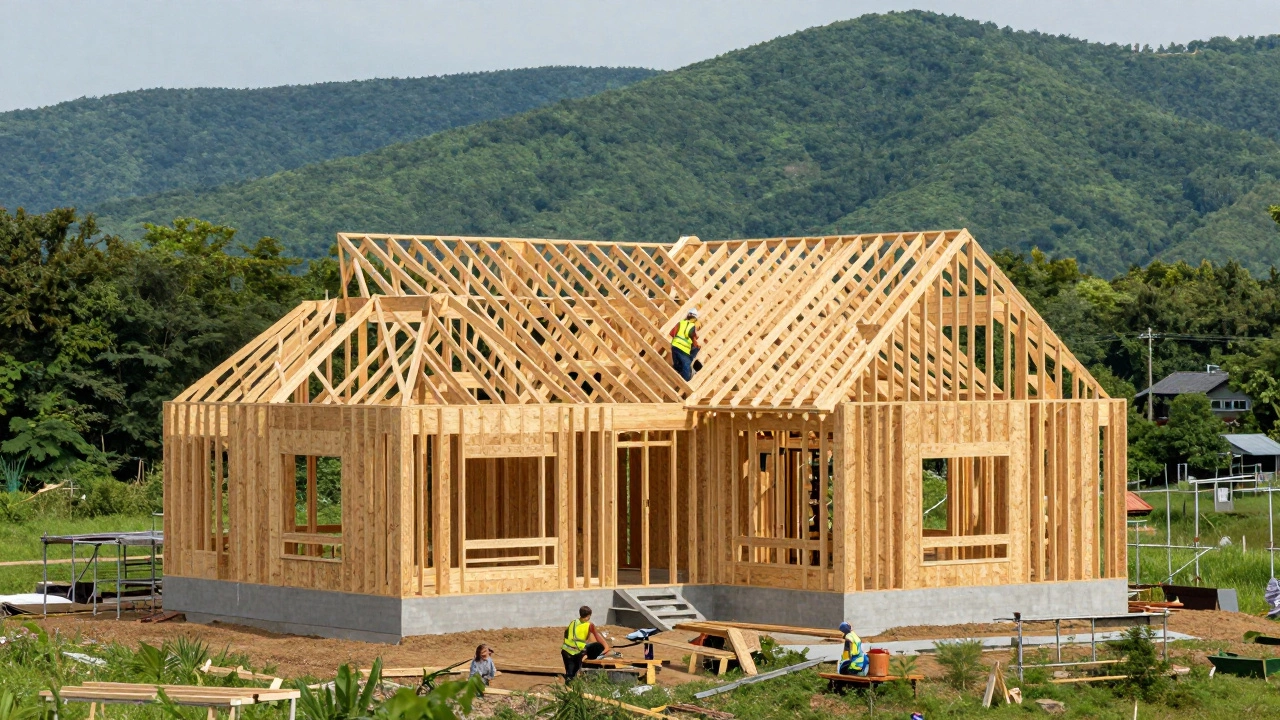
When builders quote a price per square foot, they are giving you a baseline. This usually covers the "shell" of the house and basic systems. Think of it as the structure, the roof, the windows, and the mechanicals. For a 3,000-square-foot home, this base construction typically lands between $100 and $140 per square foot.
This includes:
- Foundation work: Poured concrete slab or crawlspace depending on soil conditions.
- Framing and exterior: Lumber, siding (vinyl or fiber cement), roofing shingles, and windows.
- Mechanical systems: Basic HVAC installation, electrical wiring, and plumbing rough-ins.
- Interior basics: Drywall, standard flooring (carpet or laminate), and interior doors.
However, this does not include land, permits, landscaping, or high-end fixtures. Those are added on top. In Nashville’s Davidson County, labor costs push these base numbers higher than in rural East Tennessee counties like Carter or Hawkins.
Location Matters: Urban vs. Rural Tennessee Costs
Tennessee is diverse. Building in Memphis looks very different financially than building in Gatlinburg or Knoxville. Labor availability and material transport costs create significant regional variances.
| Region | Avg. Cost Per Sq Ft | Total Estimate (3,000 sq ft) | Key Factors |
|---|---|---|---|
| Nashville/Metro Area | $180 - $280 | $540,000 - $840,000 | High demand, strict zoning, higher labor rates |
| Knoxville/East TN | $150 - $220 | $450,000 - $660,000 | Moderate demand, mountain terrain challenges |
| Memphis/West TN | $130 - $190 | $390,000 - $570,000 | Lower labor costs, flat terrain |
| Rural/Central TN | $120 - $170 | $360,000 - $510,000 | Lowest labor, but higher utility connection costs |
If you are buying land in a rural area, remember that bringing power, water, and sewer to the site can add $15,000 to $50,000 if utilities aren't at the property line. In Nashville suburbs like Franklin or Brentwood, lot sizes are smaller, and land prices are baked into higher overall project expectations, but infrastructure is already there.
Design Complexity: Why Simple Saves Money
The shape of your house dictates its cost more than people realize. A simple rectangular box is the cheapest to build. Every time you add a corner, a bay window, or a change in roof pitch, you increase labor and material waste.
For a 3,000-square-foot home, consider these design impacts:
- Open Floor Plans: Cheaper because they require fewer interior walls and less framing lumber.
- Two-Story Designs: Often cheaper than sprawling one-story ranches because the foundation and roof footprint are smaller relative to the total living space.
- Ceilings Height: Standard 9-foot ceilings are budget-friendly. Bumping them to 10 or 12 feet adds significant cost to drywall, paint, insulation, and HVAC sizing.
Custom architectural details like exposed beams, curved walls, or multiple gables will push your cost per square foot up by 15-20%. Stick to a traditional colonial or craftsman layout if you want to keep costs predictable.
Material Choices: Where to Splurge and Save
You don’t need to skimp on quality to stay on budget. You just need to be strategic. Some materials have a high upfront cost but low maintenance, while others are cheap now but expensive later.
Siding: Vinyl is the most affordable option ($3-$7 per sq ft installed). Fiber cement (like HardiePlank) costs more ($8-$12 per sq ft) but lasts longer and resists Tennessee’s humidity and storms better. Brick veneer is popular in TN but can double the siding cost.
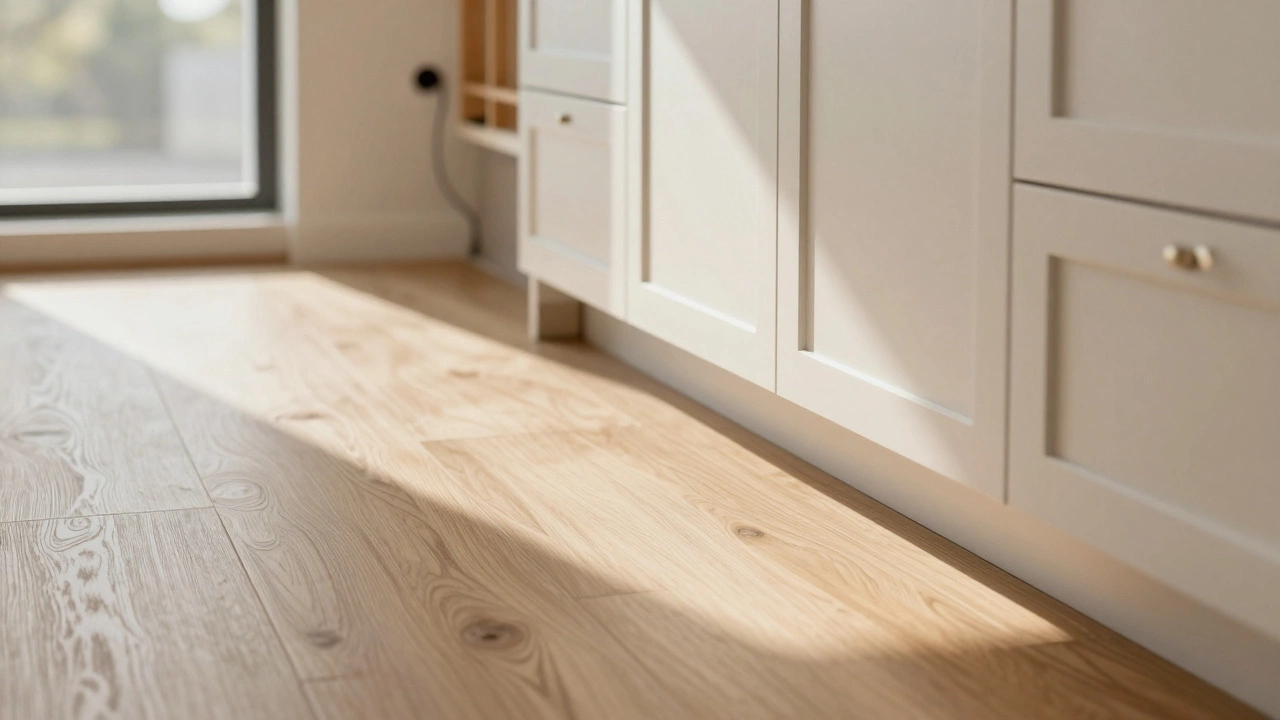
Flooring: Luxury Vinyl Plank (LVP) has taken over the market. It looks like wood, handles moisture well, and costs $3-$6 per sq ft installed. Real hardwood is $8-$12 per sq ft. Carpet remains the cheapest for bedrooms but wears out faster.
Kitchen Cabinets: This is where budgets blow up. Stock cabinets cost $10,000-$15,000 for a full kitchen. Semi-custom runs $20,000-$30,000. Custom wood cabinets can exceed $50,000. Choose semi-custom for the best balance of durability and price.
Hidden Costs That Surprise Homeowners
Your builder’s quote rarely includes everything. Here are the common line items that catch people off guard in Tennessee:
- Permits and Fees: Expect to pay $2,000 to $5,000 depending on the county. Nashville Metro charges higher impact fees than rural counties.
- Architectural Drawings: If you don’t use a builder’s stock plan, hiring an architect costs $3,000 to $8,000.
- Engineering Reports: Soil tests and structural engineering stamps are mandatory. Budget $1,500 to $3,000.
- Landscaping: Builders often exclude this. Basic sodding and grading cost $5,000+. Mature trees and irrigation can add $15,000+.
- Change Orders: Changing your mind during construction is expensive. Expect to pay a 15-20% markup on any changes made after breaking ground.
Always ask your builder for a "GMP" (Guaranteed Maximum Price) contract rather than a Time and Materials agreement. This caps your risk if costs rise unexpectedly.
Financing Your Build: Construction Loans Explained
You can’t buy a new home with a standard mortgage initially. You need a construction-to-permanent loan. This is a single-closing loan that starts as a short-term construction loan and converts to a 30-year mortgage once the house is built.
In 2026, interest rates for construction loans hover around 7.5% to 8.5%, slightly higher than permanent mortgages. You will need a down payment of 20% to 25%. For a $600,000 build, that means having $120,000 to $150,000 liquid before you start.
Lenders disburse funds in "draws." They inspect the progress at each stage (foundation, framing, drywall, etc.) and release money only when that stage is complete. This protects both you and the lender. Make sure your builder is comfortable with this process; some prefer lump-sum payments, which is a red flag.
Timeline: How Long Will It Take?
Patience is part of the cost. Building a 3,000-square-foot home in Tennessee typically takes 8 to 12 months from permit approval to move-in. Delays happen due to weather (winter freezes slow concrete work), material shortages, or labor bottlenecks.
Spring and early summer are the peak building seasons. Starting your build in late fall might mean slower progress due to rain and cold, but you might get better pricing from builders who have open slots in their schedule.
Is it cheaper to build or buy an existing home in Tennessee?
In many parts of Tennessee, especially in high-demand areas like Nashville, building can be comparable in cost to buying a similar-sized existing home. However, buying existing avoids construction risks and delays. If you find a fixer-upper, renovation costs often run $150-$200 per square foot, which can be cheaper than new construction if the structure is sound.
Do I need an architect to build a 3,000 sq ft house?
Not necessarily. Many production builders offer a selection of pre-designed floor plans that include all necessary engineering drawings. Using these stock plans saves you thousands in architectural fees. You only need an architect if you want a highly customized design or have unique site constraints like steep slopes or wetlands.
What is the biggest budget killer in home construction?
Change orders are the biggest budget killers. Once construction begins, moving a wall, upgrading countertops, or adding outlets becomes exponentially more expensive. Finalize all design decisions before signing the contract to avoid surprise costs.
How much contingency fund should I set aside?
You should always set aside 10% to 15% of your total construction budget as a contingency fund. This covers unexpected issues like bad soil conditions, hidden utility lines, or material price spikes. Even with a fixed-price contract, surprises happen.
Are there tax incentives for building energy-efficient homes in Tennessee?
Tennessee doesn’t offer state-specific tax credits for green building, but federal tax credits still apply for solar panels, heat pumps, and energy-efficient windows. Additionally, some local utility companies in Tennessee offer rebates for installing high-efficiency HVAC systems or smart thermostats.