

Virginia Lease Break Cost Estimator
Your Lease Details
Enter your details to see how much it might cost to break your lease using different strategies.
Disclaimer: This tool provides estimates based on general scenarios described in the article. It is not legal advice. Actual costs depend on your specific lease contract and landlord actions. Consult a legal professional for specific cases.
Imagine you just got that dream job offer in Chicago, but your one-year lease in Richmond still has eight months left. You pack your boxes, feeling excited about the move, until you read the fine print. Suddenly, that excitement is shadowed by a looming question: how much am I going to lose? In Virginia, breaking a lease isn't as simple as handing over the keys and walking away. The costs can range from zero to several thousand dollars, depending entirely on your specific contract and the actions you take next.
There is no single statutory "lease break fee" set by the state of Virginia. Instead, the cost is determined by a mix of your lease agreement, market conditions, and your ability to mitigate damages. Understanding these variables is the only way to protect your wallet and your credit score.
The Reality of Early Termination Fees
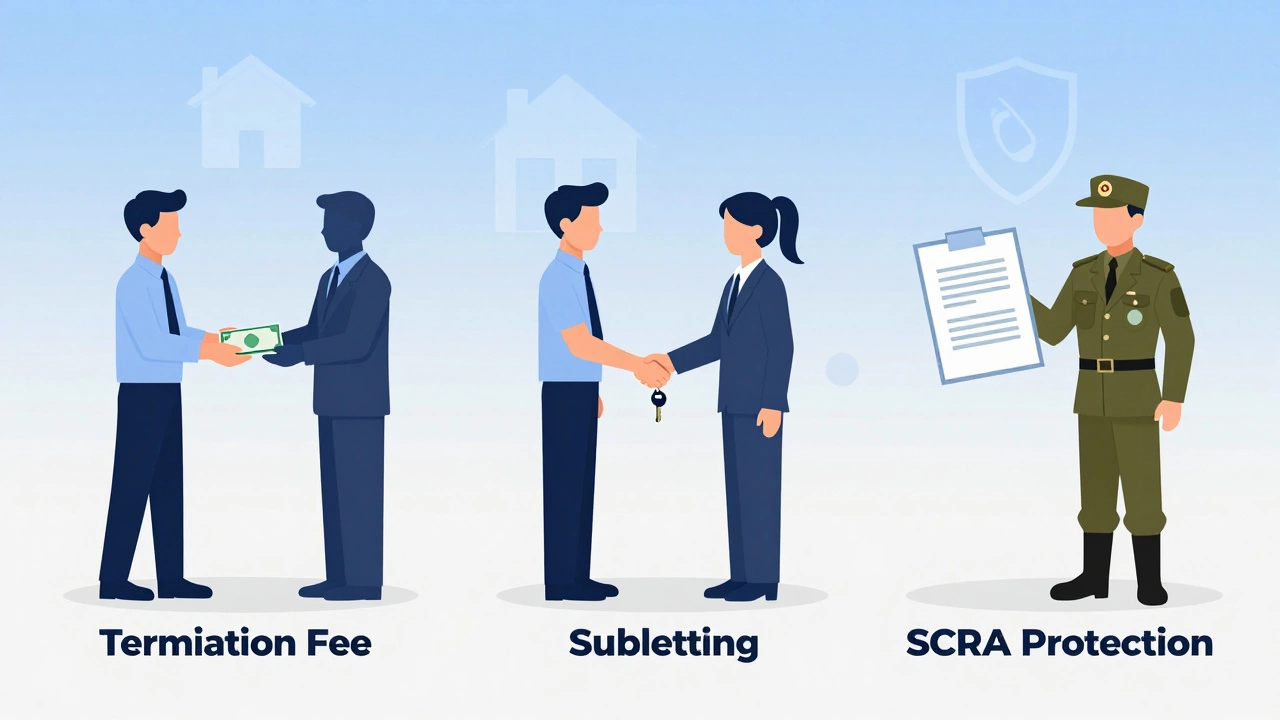
Your first stop should always be the lease itself. Many modern leases in Virginia include an explicit early termination clause. This section outlines exactly what happens if you leave before the term ends. Typically, landlords charge a fee equivalent to one or two months' rent. For example, if your monthly rent is $1,500, you might owe $3,000 upfront to walk away cleanly.
If your lease does not have this clause, you are generally liable for the remaining rent until the unit is re-rented. This is known as the duty to mitigate damages. Virginia courts expect landlords to make reasonable efforts to find a new tenant, but they do not require them to drop everything and hunt for one immediately. If the apartment sits empty for three months while the landlord lists it at a higher-than-market rate, you could still be on the hook for those three months of lost income.
Subletting: The Smartest Way Out
Before paying any fees, check if your lease allows subletting. Subletting means finding someone else to live in your unit and pay you rent, which you then pass on to the landlord. If your lease permits this, it is often the cheapest exit strategy. You avoid early termination fees and potentially keep your security deposit intact.
To succeed at subletting in Virginia, you need to act fast. Post listings on local Facebook groups, Craigslist, and university housing boards. Be transparent with potential subtenants about the rules. Most importantly, get written permission from your landlord before signing a sublease agreement. Without this permission, you risk being evicted for violating the lease terms, which adds legal fees to your mounting costs.
Lease Assignment vs. Subletting
Another option is lease assignment. Unlike subletting, where you remain responsible for the unit, an assignment transfers all rights and responsibilities to the new tenant. You walk away completely. Landlords often prefer this because it simplifies their accounting. However, they will likely require the new tenant to undergo the same screening process-credit check, background check, and income verification-as any standard applicant.
If you pursue an assignment, you may need to pay an application fee for the new tenant, usually around $40 to $75 per person. While this is a small cost compared to months of rent, it is a necessary expense to finalize the transfer. Make sure the landlord signs a release form stating that you are no longer liable for the lease. Verbal promises don't hold up in court.
Military Clauses and Federal Protections
If you are active-duty military, you have powerful federal protections under the Service Members Civil Relief Act (SCRA). Also known as the Soldiers' and Sailors' Civil Relief Act, this law allows you to break a lease without penalty if you receive orders for a permanent change of station (PCS) or deployment for at least 90 days. To use this, you must provide your landlord with written notice and a copy of your orders. The lease terminates 30 days after the next rent payment date following the notice.
This protection is absolute. Your landlord cannot charge you an early termination fee, nor can they withhold your security deposit for unpaid future rent. This applies regardless of what your private lease says. Just ensure you send the notice via certified mail so you have proof of delivery.
Domicile Clause and Domestic Violence
Virginia law also provides an exit route for victims of domestic violence, sexual assault, or stalking. Under Code of Virginia § 55.1-1226.1, tenants can terminate their lease early if they fear for their safety due to abuse by a household member or someone connected to the residence. You must provide documentation, such as a protective order, police report, or statement from a qualified professional. Notice must be given in writing, and the termination is effective 30 days after the notice is delivered. There are no financial penalties for using this provision.

Negotiating with Your Landlord
Sometimes, the best solution is a conversation. Landlords want steady income more than they want to punish departing tenants. Approach your landlord early, explain your situation honestly, and propose a solution. Offer to help show the apartment to prospective tenants on weekends. Suggest a mutual termination agreement where you pay a smaller fee in exchange for a quick vacancy.
Get any agreement in writing. A simple email chain confirming the terms can serve as evidence later. If you agree to pay one month's rent to leave, ensure the document states that this payment satisfies all further obligations. This prevents the landlord from claiming additional damages later.
Costs Beyond Rent: Security Deposits and Utilities
Breaking a lease doesn't just affect your rent payments; it impacts your security deposit. Virginia law requires landlords to return deposits within 30 days of moving out, minus deductions for damages beyond normal wear and tear. If you leave abruptly without proper notice or cleaning, the landlord can deduct cleaning fees and unpaid utilities. Always clean the unit thoroughly and take photos before leaving to dispute any unfair charges.
Don't forget about utilities. You are responsible for bills until the day you vacate. Cancel services with your providers and request final bills. Forward your mail to your new address to avoid missing important correspondence. Failure to handle these details can lead to collections accounts, which hurt your credit score far more than a lease break fee.
| Exit Strategy | Typical Cost Range | Time Required | Risk Level |
|---|---|---|---|
| Early Termination Fee | $1,500 - $3,000 | Immediate | Low |
| Subletting | $0 - $200 (marketing) | 2 - 6 weeks | Medium |
| Lease Assignment | $50 - $150 (app fees) | 3 - 8 weeks | Low |
| Military SCRA | $0 | 30+ days | None |
| Abandonment | Full remaining rent + legal fees | Immediate | Very High |
Avoiding the Trap of Abandonment
Never simply stop paying rent and disappear. This is called abandonment, and it is the most expensive mistake you can make. In Virginia, if you abandon the property, the landlord can sue you for the entire remaining balance of the lease, plus court costs and attorney fees. They can also place a lien on your property or garnish your wages if they win a judgment. Always provide written notice of your intent to vacate, even if you think you are in the wrong. Communication is your best defense against excessive charges.
Can my landlord keep my security deposit if I break my lease in Virginia?
Yes, but only to cover actual damages or unpaid rent. Virginia law prohibits landlords from keeping the entire deposit as a penalty. They must account for every dollar deducted within 30 days. If you believe the deductions are unfair, you can sue in small claims court.
Does Virginia have a specific law limiting lease break fees?
No. Virginia does not cap early termination fees. The amount is dictated by your lease contract. However, the fee must be reasonable and represent actual damages suffered by the landlord. Excessive fees may be challenged in court.
What if my lease doesn't mention early termination?
If there is no clause, you are legally bound to pay rent until the end of the term. However, the landlord has a duty to mitigate damages by trying to re-rent the unit. You are only responsible for the period the unit remains vacant, provided the landlord acted reasonably.
Will breaking my lease affect my credit score?
Not directly. Landlords do not report lease breaks to credit bureaus. However, if you owe money and the landlord sends the debt to collections, that will significantly damage your credit score. Paying off the balance promptly prevents this.
How much notice do I need to give in Virginia?
For month-to-month tenancies, Virginia law requires 30 days' notice. For fixed-term leases, follow the notice period specified in your contract, typically 30 to 60 days. Providing notice earlier gives the landlord more time to find a replacement, potentially reducing your liability.