
Horse Acreage Estimator
Your Setup
Estimated Requirements
Adjust your inputs to see recommendations.
You’ve found the perfect plot of land. It’s quiet, it has good fencing, and the price is right. But before you sign on the dotted line to buy your dream property, you need to ask one critical question: is there enough space for your horse? Buying land with an equine in mind isn’t just about having a backyard; it’s about ensuring the animal has enough grazing area to stay healthy and happy.
The short answer is that you generally need between two acres and four acres per horse. However, this number fluctuates wildly depending on where you live, what kind of soil you have, and how much supplemental feed you provide. If you’re looking at villas for sale or rural acreage, understanding these nuances can save you thousands of dollars in vet bills and hay costs down the road.
The General Rule of Thumb
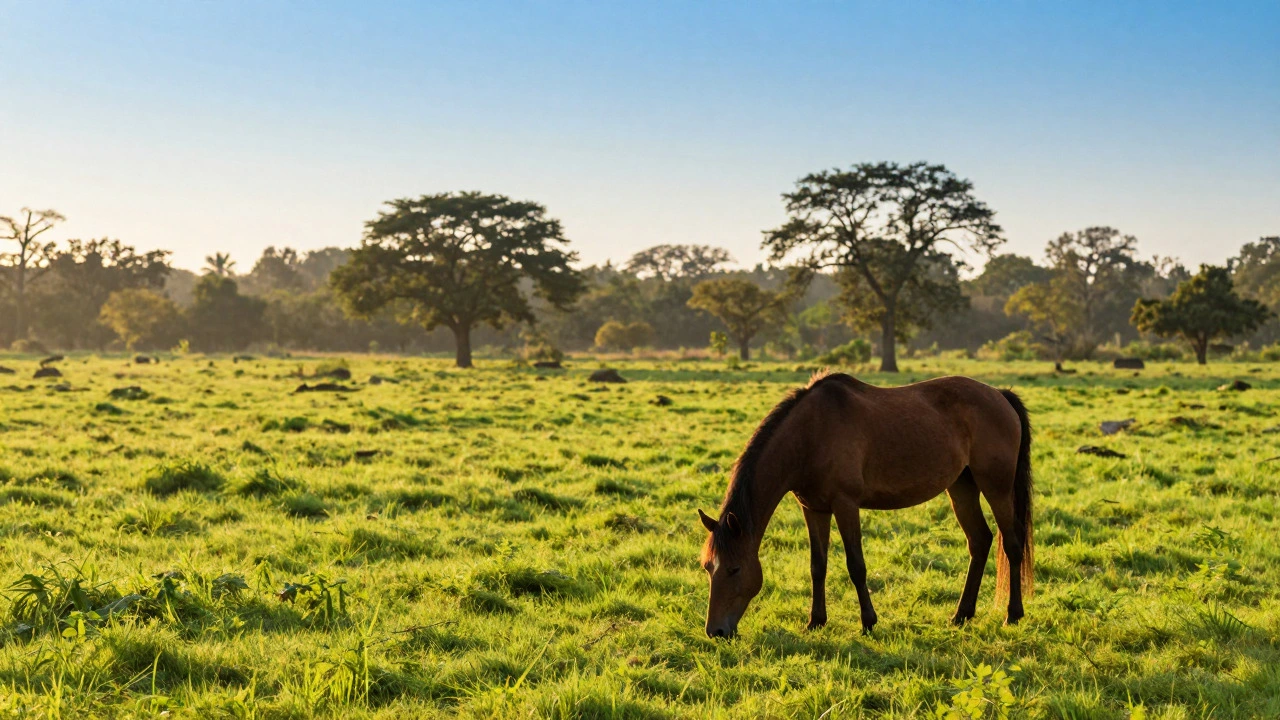
In the world of equine management, the standard guideline often cited by extension services and veterinarians is two acres of usable pasture per horse. This assumes the land is decent quality grassland that receives adequate rainfall. If you have two horses, you’d ideally look for a four-acre parcel. For three horses, six acres, and so on.
Why two acres? Horses are grazers. They eat small amounts of grass continuously throughout the day. In a confined space, they will strip the grass down to the dirt, leading to bare patches, mud, and parasite buildup. Two acres allows enough room for the grass to recover between grazing sessions, provided you manage the rotation correctly.
However, "usable" is the key word here. If half your acreage is rocky outcrop, dense forest, or a pond, those acres don’t count toward grazing capacity. When evaluating properties, especially those marketed as lifestyle blocks or luxury estates, always calculate the actual green space available for hoof traffic.
Climate and Geography Matter
Not all acres are created equal. The amount of land you need depends heavily on your local climate and growing season. In regions with long, lush growing seasons like parts of Australia, New Zealand, or the UK, grass grows back quickly. Here, two acres might be sufficient if managed well.
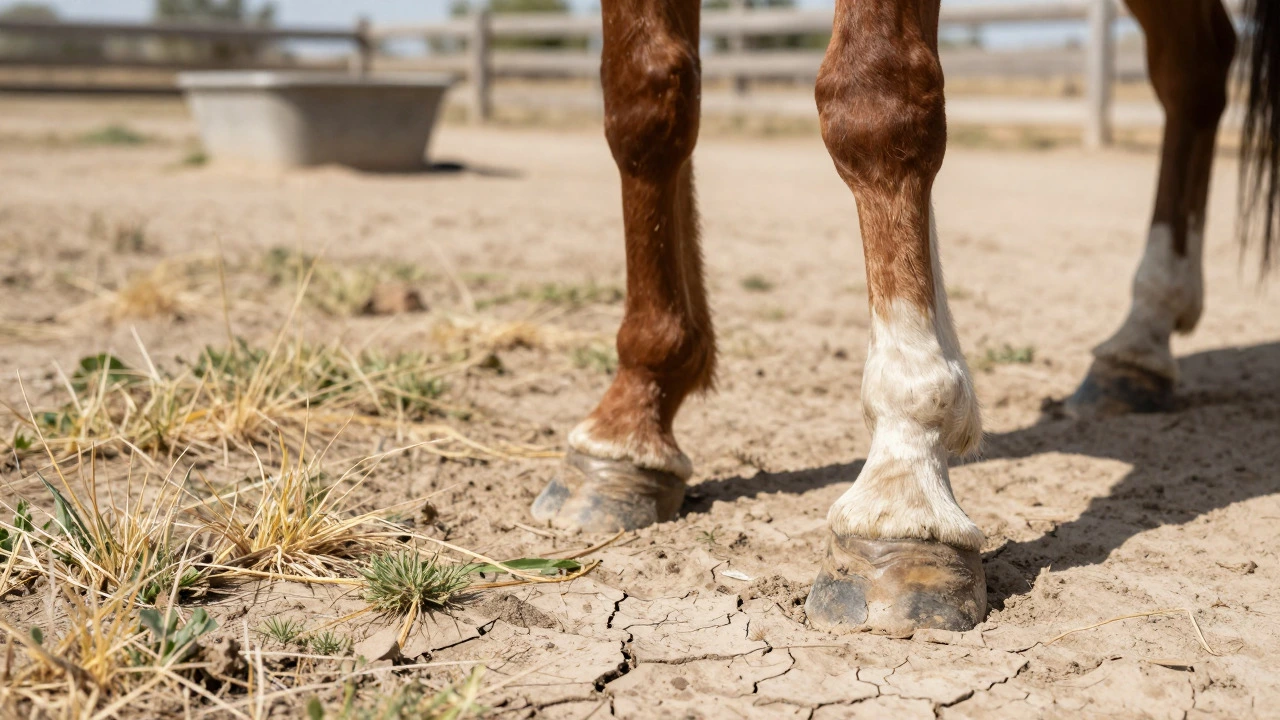
In contrast, arid regions like the American Southwest, parts of Southern Europe, or dry inland areas require significantly more land. Why? Because grass growth is sparse. In these environments, you might need five to ten acres per horse to get the same nutritional intake from grazing alone. If you live in an area with heavy winter snows, such as Canada or Northern Europe, the ground freezes, and grazing stops for months. During this time, you rely entirely on stored hay, meaning the pasture size matters less for winter survival but remains crucial for summer health.
If you are considering buying property in a specific locale, research the local carrying capacity. Local agricultural extensions often publish data on how many animals an acre can support based on regional rainfall and soil types.
Soil Quality and Grass Type
The type of grass on your land plays a massive role in how many horses you can keep. Not all pastures are nutritionally equivalent. Some grasses, like Bermuda grass or fescue, are tough and nutritious, supporting higher stocking rates. Others, like certain native wildflowers or thin coastal grasses, offer little nutritional value and wear down easily under hoof pressure.
Soil fertility is another hidden factor. Poor soil produces poor grass. If you buy a cheap piece of land because it’s large, but the soil is depleted, you’ll end up spending a fortune on fertilizer and supplemental feed. Healthy soil retains water better, which means greener grass during dry spells. When touring potential properties, look at the existing vegetation. Is it thick and green? Or is it patchy and brown? Thick, diverse grass indicates a healthy ecosystem that can support livestock.
The Impact of Supplemental Feeding
Here’s a secret many new owners discover: most horses do not survive on pasture alone year-round. Even in ideal climates, seasonal variations mean there are times when grass lacks necessary nutrients. Most responsible owners supplement their horses’ diet with hay, grains, or commercial feeds.
If you plan to feed your horse primarily with high-quality hay purchased from a farm supply store, you can get away with less land. Some owners successfully keep horses on one acre or even smaller paddocks, provided they mow regularly, remove manure daily, and bring in fresh hay. This approach turns the pasture into more of a recreational area rather than a primary food source.
However, relying solely on supplemental feed increases your ongoing costs. Hay prices fluctuate with weather conditions and demand. In drought years, hay can become prohibitively expensive. Having enough acreage to grow some of your own forage or graze effectively acts as a financial buffer against rising feed costs.
Pasture Management Techniques
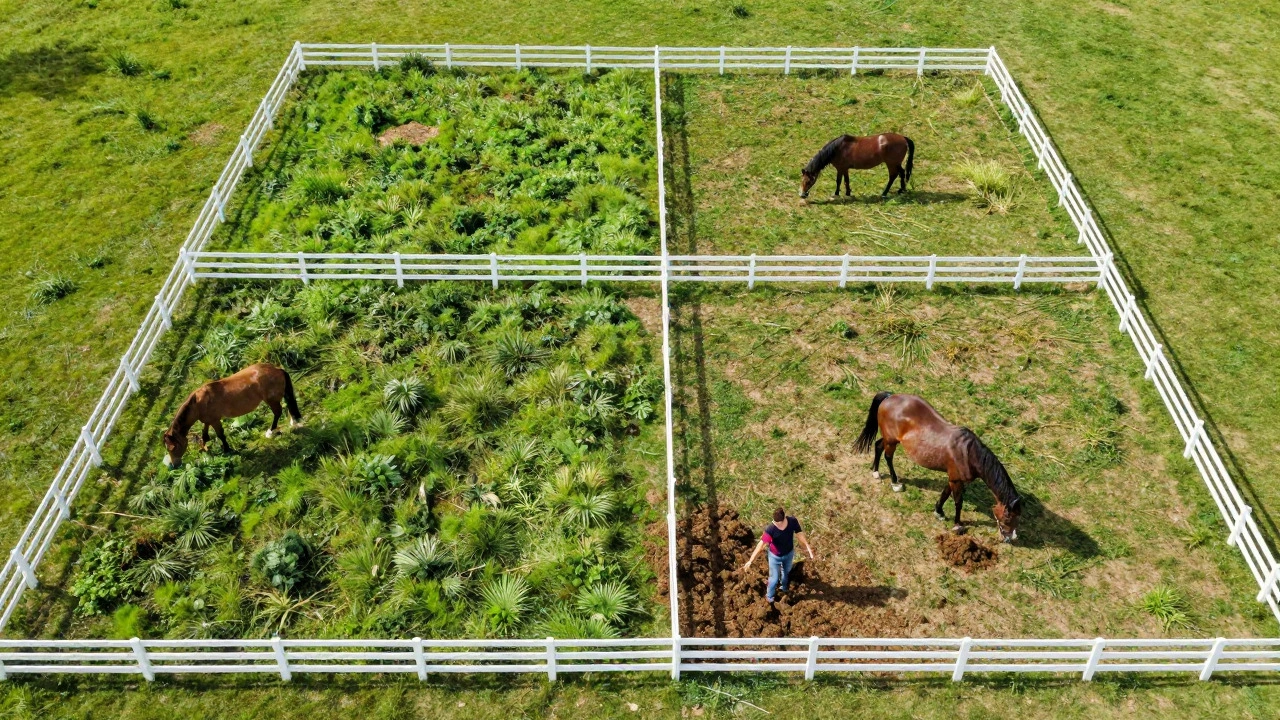
Owning enough land is only half the battle. How you manage that land determines whether your horse thrives or suffers. One of the most effective techniques is rotational grazing. Instead of letting horses roam free across the entire property, divide the land into smaller paddocks using temporary electric fencing.
Rotate your horses between paddocks every few days or weeks. This gives the grass in the previous paddock time to rest and regrow. Rotational grazing prevents overgrazing, reduces parasite load (since larvae die off when exposed to sunlight and air), and keeps the horses mentally stimulated by changing their environment.
Regular manure removal is also essential. Manure contains parasite eggs that hatch and infect grazing animals. By picking up droppings daily or weekly, you break the lifecycle of internal parasites like worms. This practice allows you to safely keep more horses on less land without compromising their health.
Social Needs and Herd Dynamics
Horses are herd animals. They suffer from stress and depression when isolated. While you technically need two acres per horse, you must also consider the social dynamic. A single horse on ten acres is often worse off than two horses on four acres. The companionship provides mental stimulation and natural behaviors like grooming and playing.
If you’re buying land for multiple horses, ensure the total acreage accommodates the group. Overcrowding leads to bullying, resource guarding, and physical injuries. Conversely, too much space with insufficient supervision can lead to horses wandering off or getting stuck in fences. Balance is key. Aim for a layout that allows visual contact between horses while providing enough individual grazing space.
Infrastructure and Hidden Costs
When calculating land needs, don’t forget the infrastructure required to maintain it. Fencing is a major expense. Barbed wire is dangerous for horses; smooth wire can cause severe lacerations. The gold standard is wooden post-and-rail or PVC-coated electric tape. Installing proper fencing across several acres can cost thousands of dollars upfront.
Water access is non-negotiable. Horses need clean, fresh water available at all times. If your land doesn’t have a reliable water source, you’ll need to install troughs and pump systems. In freezing climates, heated buckets are necessary to prevent ice formation. These utilities add complexity and cost to land ownership.
Maintenance equipment is another consideration. Mowing large pastures requires a tractor or a powerful riding mower. Without regular mowing, weeds take over, and toxic plants like ragwort or black walnut saplings can invade the pasture. Toxic plants can be fatal to horses, so constant vigilance is required.
Legal Zoning and Restrictions
Before purchasing any land, check the local zoning laws. Some suburban areas restrict the number of animals allowed per acre. Others may prohibit livestock entirely within city limits. Rural zones usually allow horses, but they may have minimum acreage requirements for building permits.
Homeowners Associations (HOAs) can also impose strict rules. Even if the county allows horses, your HOA might ban them due to noise, smell, or aesthetic concerns. Always read the covenants, conditions, and restrictions (CC&Rs) carefully. Violating these rules can result in fines or forced removal of your animals.
Comparison Table: Land Needs by Scenario
| Scenario | Acreage Needed | Key Considerations |
|---|---|---|
| Ideal Pasture Grazing | 2-4 acres | Good soil, moderate climate, rotational grazing used |
| Arid/Dry Climate | 5-10 acres | Low rainfall, sparse grass, heavy reliance on irrigation or hay |
| High Supplemental Feed | 1-2 acres | Daily manure removal, frequent mowing, primary diet is hay/grain |
| Winter/Snow Regions | Varies | Grazing stops in winter; focus on shelter and stored feed availability |
Conclusion: Finding the Right Fit
There is no single magic number for how many acres you need for a horse. It depends on your budget, your location, and your willingness to manage the land actively. If you want a low-maintenance setup where your horse lives off the land, aim for at least two to four acres of high-quality pasture. If you prefer a smaller footprint and are willing to invest in hay and maintenance, one acre might suffice.
Regardless of the size, prioritize health and happiness. Visit the property at different times of day. Talk to neighbors about local conditions. Check the water sources. Inspect the fences. Buying land for a horse is a long-term commitment. Get it right the first time, and both you and your equine companion will enjoy a peaceful, healthy life together.
Can I keep a horse on less than one acre?
Yes, but it requires intensive management. On less than one acre, the horse cannot graze naturally. You must provide all nutrition through hay and supplements, remove manure daily to prevent parasites, and mow frequently to control weeds. Ensure the horse has ample turnout time in a safe, enclosed paddock to prevent boredom and obesity.
Is two acres enough for two horses?
Two acres for two horses is tight but manageable if you practice rotational grazing and supplement with hay. Ideally, you would want four acres total. With only two acres, you must be diligent about picking up manure and rotating the horses to give grass time to recover. Monitor the pasture closely for signs of overgrazing.
What is the best type of fencing for horses?
Wooden post-and-rail fencing is considered the safest and most durable option. Electric tape or wire on wooden posts is also excellent and more affordable. Avoid barbed wire, which can cause severe eye and skin injuries. Smooth wire is dangerous if a horse jumps it, as it can slice tendons. Visibility is key; horses should see the fence to avoid running into it.
Do horses need shade on their pasture?
Absolutely. Horses are susceptible to heatstroke and sunburn. Your pasture should have natural trees or artificial shade structures like run-in sheds. Shade protects them from extreme temperatures and UV rays. Without adequate shade, horses may stand in water troughs or refuse to go outside, leading to health issues.
How does soil testing help in managing horse pasture?
Soil testing reveals nutrient deficiencies and pH levels. By knowing what your soil lacks, you can apply the right fertilizers to promote healthy grass growth. Healthy grass means better nutrition for your horse and reduced need for supplemental feed. Test your soil every two to three years to adjust your management strategy accordingly.