
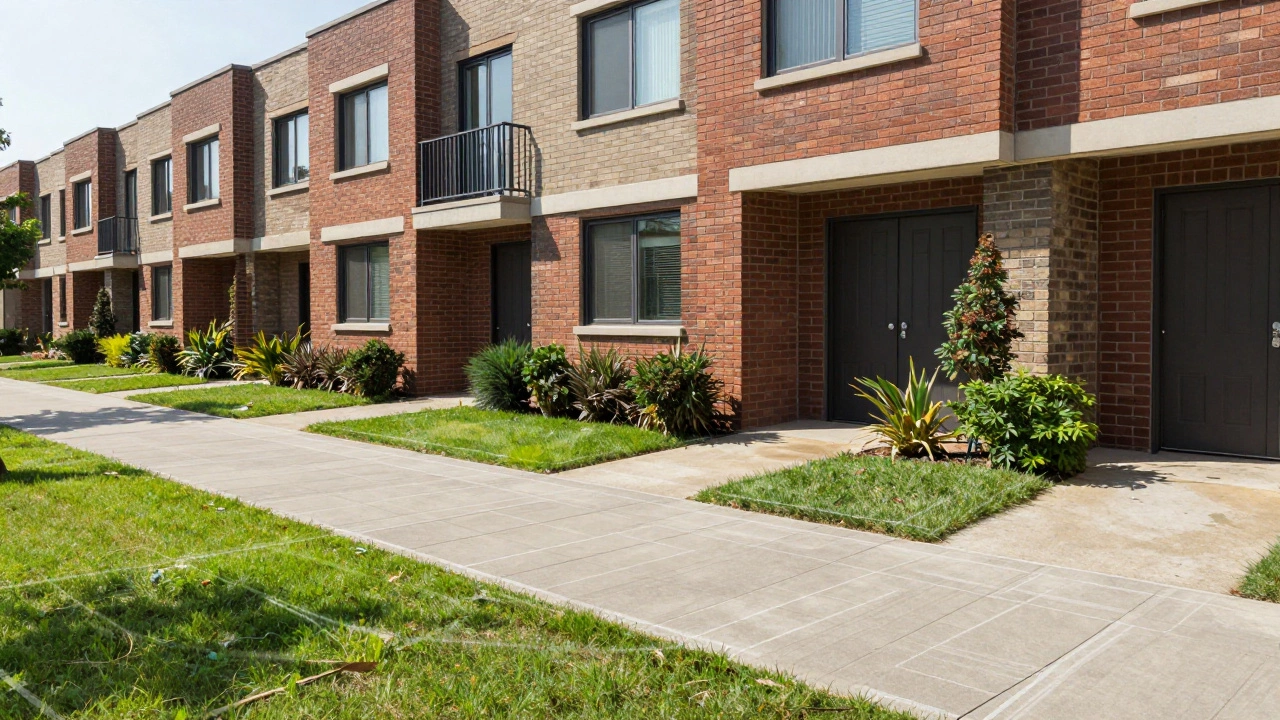
Townhouse Ownership Rights Calculator
Property Details
Ownership Analysis
Enter your property details to see your land rights, financial obligations, and control limits.
Most people assume that buying a townhouse means owning the bricks, the mortar, and the patch of grass right up to the front door. It feels like common sense. You sign the deed, you pay the mortgage, you own the home. But when it comes to townhouses-and specifically the land beneath and around them-the reality is often much messier than that simple assumption.
If you are looking at villas for sale or townhouse listings, this distinction is critical. Unlike a detached house where you typically own everything from foundation to fence line, a townhouse sits in a shared context. The answer to "do I own the land?" isn't always yes. In many cases, you own the structure, but someone else-or a collective group-owns the soil it stands on.
What is the core difference between owning a townhouse and a detached house?
With a detached house, you usually hold the title to both the building and the land it sits on (freehold). With a townhouse, you might only own the interior space and walls (leasehold), while a landlord or homeowners association owns the land and exterior structures.
The Freehold Illusion: What Actually Comes with the Title?
To understand if you own the land, you first need to look at your title deed. This legal document is the ultimate source of truth. In real estate terms, there are two main ways you can "own" a townhouse: freehold and leasehold. These aren't just fancy legal words; they dictate who pays for the roof repair, who decides how high the fence goes, and whether you can build an extension without asking permission.
Freehold ownership is what most buyers hope for. If you buy a townhouse as a freeholder, you own the building and the land it occupies outright. There is no time limit on your ownership. You can sell it, leave it in your will, or modify it within local zoning laws. However, even in freehold townhouse developments, you rarely have exclusive rights to every square inch. Most freehold townhouses come with a restrictive covenant or a shared easement managed by a Homeowners Association (HOA).
This means that while you technically "own" the strip of lawn in front of your door, you likely don't have the unilateral right to pave it over, plant oak trees, or install a security gate if the HOA bylaws forbid it. So, you own the land, but your control over it is heavily restricted by neighbors.
Leasehold: Renting the Ground Beneath Your Feet
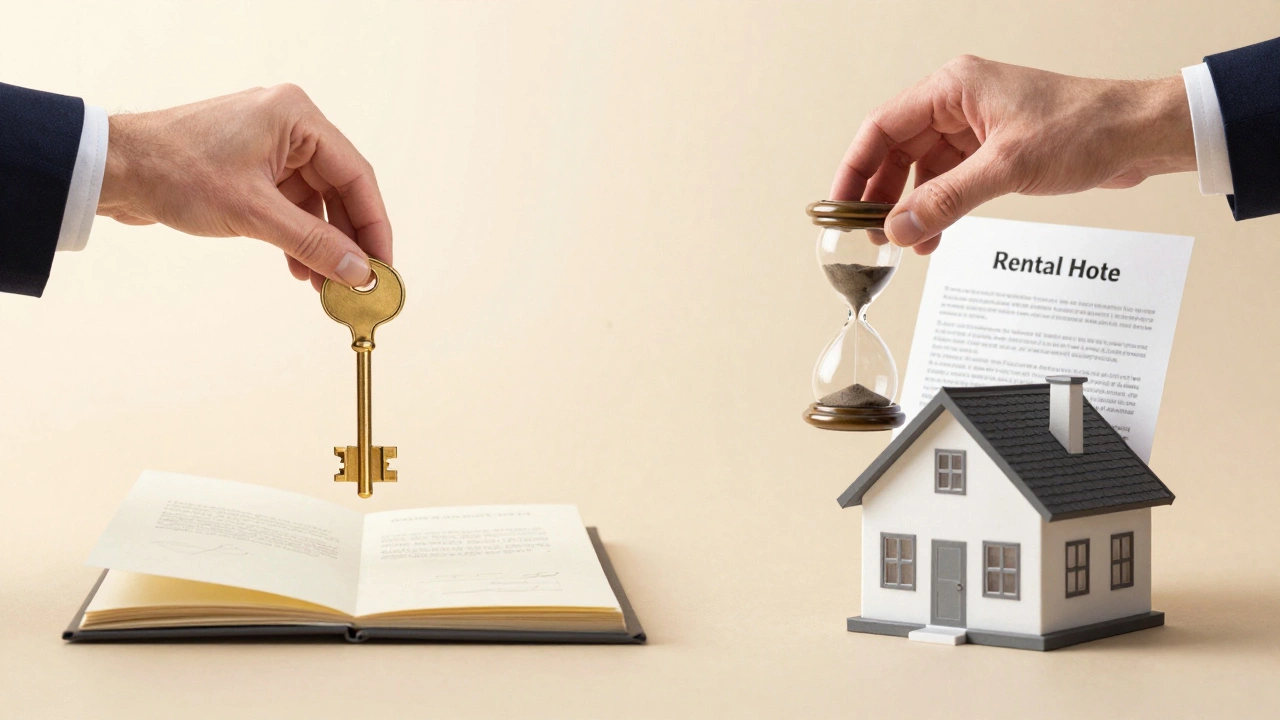
Now, let's talk about the scenario that catches more buyers off guard: leasehold ownership. In a leasehold arrangement, you do not own the land. Instead, you own the right to live in the building for a set period, often ranging from 99 to 999 years. The person or entity that owns the land is called the "freeholder" or "landlord."
This is extremely common in urban townhouse conversions, especially in older cities where large plots were subdivided into multiple units. If you buy a leasehold townhouse, you are essentially paying rent to the freeholder for the privilege of standing on that specific plot of earth. This "rent" is known as ground rent.
Why does this matter? Because if the lease expires, the property reverts to the freeholder. While modern laws in many jurisdictions protect leaseholders by allowing them to extend leases, the process can be expensive and bureaucratic. More importantly, under a standard lease, you cannot make structural changes to the exterior, including the garden, without the freeholder's written consent. That patio you want to expand? That’s not your decision alone.
| Feature | Freehold | Leasehold |
|---|---|---|
| Land Ownership | You own the land and building | You own the building; landlord owns the land |
| Duration | Permanent | Fixed term (e.g., 99, 125, 999 years) |
| Ground Rent | No | Yes (paid to freeholder) |
| Exterior Changes | Subject to HOA/Zoning | Requires freeholder consent |
| Resale Value | Generally higher/stable | Can drop as lease shortens |
The Hidden Player: Homeowners Associations (HOAs)
Even if you are a freeholder, you might find yourself answering to a third party. Many townhouse developments are governed by a Homeowners Association (HOA) or a similar body like a Management Company. These organizations exist to maintain shared amenities: driveways, parking lots, landscaping, and sometimes even the exterior siding of the buildings.
In these scenarios, the land around your townhouse is often considered "common area." This doesn't mean you don't own it, but it does mean you share liability and decision-making power. If the drainage system in the shared backyard fails, everyone contributes to the cost via HOA fees. If you want to paint your front door a non-standard color, the HOA might veto it.
This creates a unique tension. You feel like an owner, but you act like a tenant in certain respects. The key here is reviewing the "Declaration of Covenants, Conditions, and Restrictions" (CC&Rs). This document outlines exactly what parts of the land are yours exclusively and what parts are communal. Ignoring this document is the fastest way to end up in a costly dispute with your neighbors.
Boundary Disputes: Where Does Your Yard End?
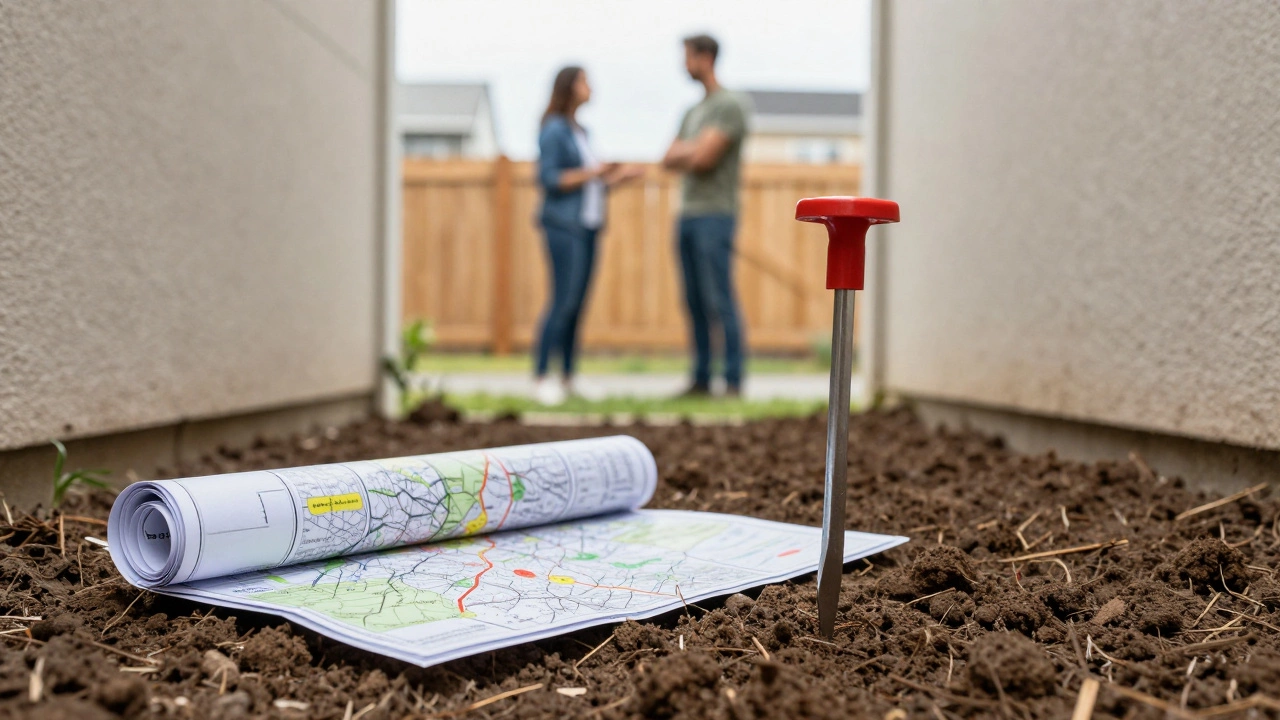
One of the most frequent issues townhouse owners face is the ambiguity of boundaries. Unlike single-family homes with clear fences and surveyed lines, townhouses often share walls and narrow strips of land. Who owns the gutter? Who maintains the downspout? Is the small patch of grass behind the garage yours or part of the shared rear yard?
These questions lead to boundary disputes. A survey is the only way to know for sure. When buying a townhouse, never skip the title search and the survey. A title search reveals liens, easements, and ownership history. A survey shows the physical dimensions and locations of improvements.
If the survey shows that your deck encroaches on the neighbor's lot, you might be forced to remove it. Conversely, if the neighbor plants trees whose roots damage your foundation, knowing the exact boundary helps you claim damages. Clarity here saves relationships and money.
Financial Implications of Land Ownership Status
Your ownership status directly impacts your wallet. Here are three financial areas where the type of ownership matters:
- Property Taxes: In some jurisdictions, tax assessments differ based on whether the land is included in the valuation. Freeholders pay taxes on the full value of land and structure. Leaseholders may pay lower taxes since they don't own the land, but they also lack the equity appreciation associated with land value increases.
- Insurance: Your insurance policy needs to match your ownership. If you're a freeholder, you need a standard homeowner's policy covering the structure and land. If you're leasehold, you might only need contents insurance, as the freeholder insures the building and land. Misunderstanding this can leave you underinsured during a disaster.
- Mortgage Approval: Lenders view leasehold properties differently. Short leases (less than 80 years remaining) can make it difficult to secure a mortgage. Banks prefer freehold titles because they are simpler to foreclose on and sell if you default.
How to Verify Your Land Ownership Before Buying
Don't rely on the listing agent's word. They might not know the nuances of the title. Here is your checklist for verifying land ownership:
- Request the Title Report: Look for keywords like "Fee Simple" (which indicates full freehold ownership) versus "Leasehold Estate." Check for any easements that grant others rights to use your land.
- Review the CC&Rs: Read the covenants carefully. Look for sections defining "Limited Common Elements" vs. "Exclusive Use Areas." This tells you which parts of the yard are truly yours.
- Hire a Surveyor: If the boundaries seem unclear or if you plan to make changes to the exterior, spend the money on a new survey. Old surveys can be inaccurate due to shifts in construction or previous owner modifications.
- Check for HOA Financial Health: If an HOA manages the land, request their reserve studies and meeting minutes. A poorly funded HOA can lead to special assessments that hit your pocket hard.
Conclusion: Knowledge is Equity
Understanding whether you own the land around your townhouse is not just a legal formality; it's a fundamental aspect of your investment. It determines your freedom, your costs, and your long-term value. Whether you are browsing villas for sale or townhouse listings, take the time to dig deeper than the curb appeal. Ask the hard questions about titles, leases, and associations. The clarity you gain today will prevent headaches and financial surprises tomorrow.
Can a leasehold townhouse become freehold?
In many jurisdictions, yes. This process is called "enfranchisement" or "buying out the lease." You pay the freeholder a premium to acquire the freehold title. However, this can be expensive and requires legal expertise to negotiate correctly.
Who is responsible for repairing the foundation in a townhouse?
It depends on the ownership type. In freehold, you are usually responsible for your unit's portion of the foundation. In leasehold or HOA-managed communities, the structural elements are often covered by the association or freeholder, funded through maintenance fees.
Does owning the land affect my ability to rent out my townhouse?
Not directly, but indirectly yes. HOAs and lease agreements often have strict rules about short-term rentals (like Airbnb). Freeholders without HOAs generally have more freedom to rent out their property, subject to local zoning laws.
What happens if I stop paying ground rent?
The freeholder can take legal action to recover the debt. In severe cases, they may forfeit the lease, meaning you lose your right to live in the townhouse. Always keep ground rent payments current.
Are there tax benefits to owning a freehold townhouse?
Freeholders can deduct mortgage interest and property taxes on their returns (depending on local tax laws). Leaseholders may not be able to deduct property taxes since they don't own the land, though they can still deduct mortgage interest on the building value.