

Virginia Housing Voucher Rights Checker
Not sure if a landlord can refuse your voucher? Select the details below to check your legal standing under Virginia state and local laws.
You found a place. The rent fits your budget because you have a housing voucher from the Housing Choice Voucher Program. You call the landlord, and they say, "No vouchers." It feels like a door slamming shut. But is that legal in Virginia?
The short answer is complicated. Unlike some states with strict "source of income" protections, Virginia does not have a statewide law that forces every private landlord to accept Section 8 vouchers. However, this doesn't mean landlords can do whatever they want. There are specific exceptions, local ordinances, and federal rules that change the picture depending on where you live and what kind of property it is.
The Statewide Rule: No Mandatory Acceptance
If you look at Virginia state code, there is no blanket requirement for private landlords to participate in the Section 8 program. In most parts of the Commonwealth, a landlord can legally choose not to rent to someone paying with a voucher. This is frustrating for tenants who rely on these subsidies to afford safe housing, but it remains the baseline rule as of 2026.
This means if you are applying for an apartment in a rural county or a city without specific local protections, the landlord has the right to screen out applicants based on their payment method. They aren't breaking the law by saying "no Section 8." However, they cannot use this as a cover for other types of discrimination, such as race, religion, or disability.
Where Local Laws Change the Game
While the state stays silent, many cities and counties in Virginia have stepped up. Several jurisdictions have passed local ordinances that prohibit discrimination based on source of income. This effectively makes it illegal for landlords in those areas to refuse a voucher solely because it is a voucher.
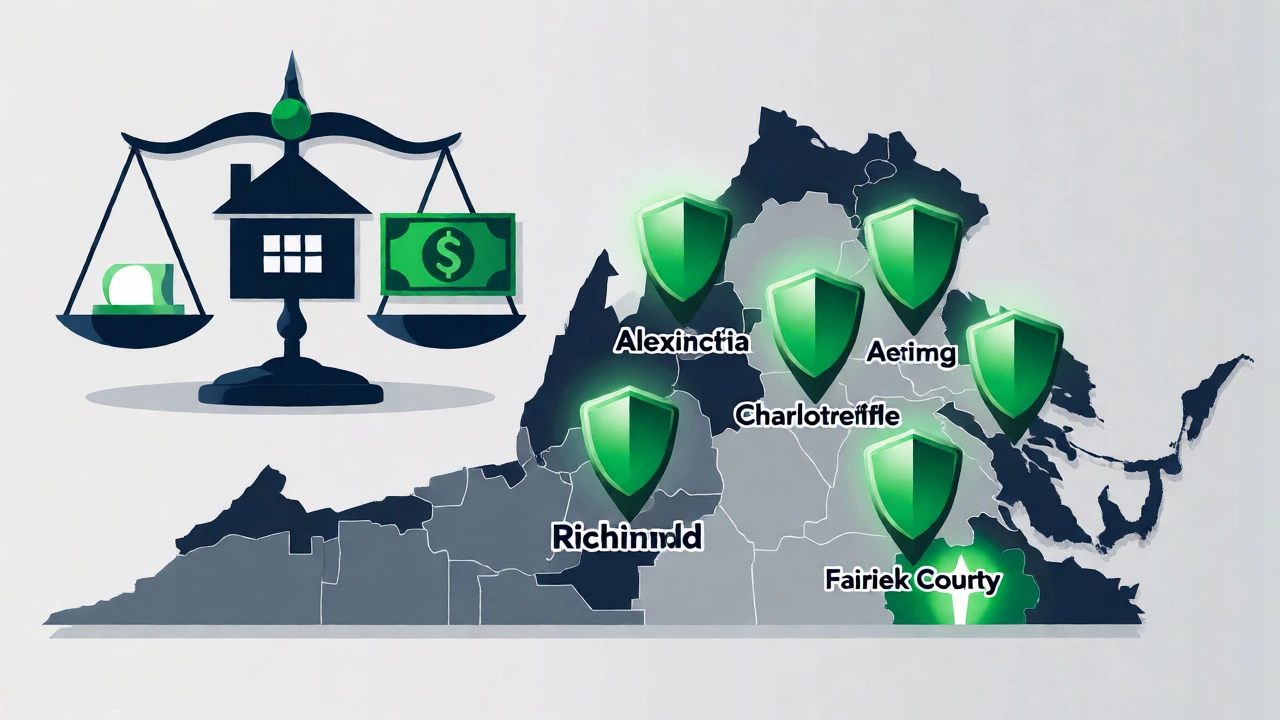
Alexandria, Richmond, Charlottesville, and Fairfax County are notable examples. If you are searching in these places, a landlord refusing your voucher might be violating local fair housing codes. For instance, Richmond’s ordinance explicitly protects renters who use government assistance. If a landlord turns you down only because of the voucher, you may have grounds for a complaint with the local human relations commission.
It is crucial to check the specific laws of the city or town where the property is located. What applies in Arlington might not apply in Henrico. Always verify the current status of local ordinances before assuming a rejection was lawful.
Federal Protections and Specific Property Types
Even without state mandates, federal law plays a huge role here. The Fair Housing Act prohibits discrimination based on race, color, national origin, religion, sex, familial status, and disability. While "source of income" isn't a protected class under federal law, the way landlords apply their policies can sometimes violate these other protections.
Consider this scenario: A landlord refuses all voucher holders. Statistically, voucher holders are disproportionately people of color and families with children. If the landlord cannot prove a legitimate business reason for the refusal (other than just disliking paperwork), a pattern of rejecting vouchers could be seen as disparate impact discrimination against protected classes.
Additionally, certain properties are federally required to accept vouchers:
- Public Housing: Owned by local housing authorities, these units are designed for low-income residents.
- Project-Based Section 8: Private buildings that receive government funding specifically to house voucher holders.
- Properties with FHA Loans: Some financing agreements include clauses requiring acceptance of subsidized tenants.
If the building signs its lease with a housing authority, the owner generally must follow the housing authority's rules, which usually mandate participation in the program.
Why Landlords Often Say No
Understanding the landlord's perspective helps you navigate the market better. Many landlords avoid vouchers due to perceived bureaucratic hurdles. The Housing Authority requires annual inspections to ensure the unit meets Housing Quality Standards (HQS). If the inspection fails, the landlord doesn't get paid until repairs are made.
There is also fear about delayed payments. While the tenant pays their portion directly, the housing authority sends the subsidy. Any administrative error can delay the landlord's income. Furthermore, some landlords worry about tenant behavior, though studies often show voucher holders have similar tenancy rates to non-voucher holders.
These concerns don't make the refusal legal in protected areas, but they explain why finding a willing landlord takes patience. Knowing these pain points allows you to address them proactively when speaking with potential landlords.
How to Find Landlords Who Accept Vouchers
Don't waste time calling listings that clearly exclude vouchers. Use targeted strategies to find open doors.
- Use Specialized Search Tools: Websites like GoSection8.com or local housing authority portals often list participating landlords. Check the Virginia Department of Housing and Community Development resources for updated lists.
- Ask About "Source of Income" Policies Early: When calling, ask, "Do you accept Housing Choice Vouchers?" If they hesitate, ask if they are located in a jurisdiction with source-of-income protection. This signals you know your rights.
- Target Managed Properties: Large property management companies are more likely to have standardized processes for handling vouchers compared to individual mom-and-pop landlords.
- Leverage Non-Profit Organizations: Groups like Legal Aid Justice Center or local community development corporations often maintain networks of friendly landlords.

What To Do If You Are Discriminated Against
If you believe a landlord broke the law-either by violating a local ordinance or engaging in discriminatory practices-you have options. Document everything. Save emails, text messages, and notes from phone calls. Note the date, time, and name of the person you spoke with.
File a complaint with the Virginia Fair Housing Office or the U.S. Department of Housing and Urban Development (HUD). If you are in a city with a local ordinance, contact the local human relations office first. They can mediate disputes and investigate patterns of discrimination.
Keep in mind that proving intent is hard. If a landlord says, "The unit is already rented," you need evidence that they continued showing the unit to others after you applied. Consistency in your search and documentation is key.
| Location/Property Type | Must Landlord Accept Voucher? | Key Reason |
|---|---|---|
| Rural Counties / Most Cities | No (Statewide) | No state law mandating acceptance; landlord discretion. |
| Cities with Local Ordinances (e.g., Richmond, Alexandria) | Yes | Local source-of-income discrimination bans. |
| Public Housing Units | Yes | Owned/managed by Housing Authority. |
| Project-Based Section 8 Buildings | Yes | Contractual obligation with HUD/Housing Authority. |
Tips for Tenants with Vouchers
Success often comes down to preparation. Make sure your voucher paperwork is ready before you start touring apartments. Have a copy of the request for tenancy approval form handy. Be honest about your timeline. If you need two weeks for the initial inspection, tell the landlord upfront.
Offer to pay the security deposit promptly. Sometimes, cash flow concerns drive landlord hesitations. Showing financial reliability beyond the subsidy can ease their worries. Also, treat the inspection seriously. Clean the unit thoroughly before the inspector arrives. A failed inspection delays everyone, and landlords hate delays.
Finally, stay persistent. The pool of accepting landlords is smaller, but it exists. Network with social workers, case managers, or previous tenants who successfully used vouchers in your target area. Word-of-mouth recommendations for "voucher-friendly" landlords are often the most reliable leads.
Does Virginia have a statewide law requiring landlords to accept Section 8?
No, Virginia does not have a statewide statute that mandates all private landlords to accept housing vouchers. However, several cities and counties have enacted local ordinances that prohibit discrimination based on source of income, effectively requiring acceptance in those specific jurisdictions.
Can a landlord in Richmond refuse my voucher?
Generally, no. Richmond has a local ordinance prohibiting discrimination based on source of income. If a landlord refuses your voucher solely because it is a government subsidy, they may be violating local fair housing laws. Exceptions exist if the unit fails to meet habitability standards or if the landlord has a legitimate non-discriminatory reason unrelated to the payment method.
What happens if a landlord fails the Housing Authority inspection?
If a unit fails the initial Housing Quality Standards (HQS) inspection, the landlord typically has a set period (often 30 days) to make repairs. Until the repairs are completed and re-inspected, the Housing Authority will not approve the lease or begin paying the subsidy. The tenant may need to remain in their current housing during this repair period.
Are there tax incentives for Virginia landlords who accept vouchers?
Some local programs offer small grants or technical assistance to help landlords prepare units for HQS inspections. Additionally, stable tenancy provided by voucher holders can reduce vacancy rates. However, there is no major statewide tax credit specifically tied to accepting Section 8 vouchers in Virginia as of 2026.
Can I sue a landlord for refusing my voucher?
You can file a complaint with the Virginia Fair Housing Office or HUD if you believe the refusal was discriminatory (e.g., masking racial bias). In cities with source-of-income ordinances, you can file a complaint with the local human relations commission. Litigation is possible but requires strong evidence that the refusal violated specific legal protections rather than general landlord preference.