
Virginia Land Cost Estimator
Quick Pricing Breakdown
- Rural/Agricultural: $2,000 to $10,000 per acre.
- Residential/Suburban: $15,000 to $60,000 per acre.
- Prime Development/Urban: $100,000+ per acre.
The Regional Price Gap: Where You Buy Matters
Virginia is geographically diverse, and that diversity shows up in the price per acre. You won't find the same rates in Northern Virginia as you will in Southwest Virginia. The proximity to major hubs like Washington D.C. or Richmond creates a massive price surge.
In Northern Virginia (NOVA), land is essentially gold. Because of the high demand for housing and the overflow from the capital, a single acre of buildable land can easily exceed $100,000. You're paying for the location and the likelihood that the land will appreciate quickly. If you're looking for a backyard for a custom home in Loudoun or Fairfax County, expect to pay a premium for the privilege.
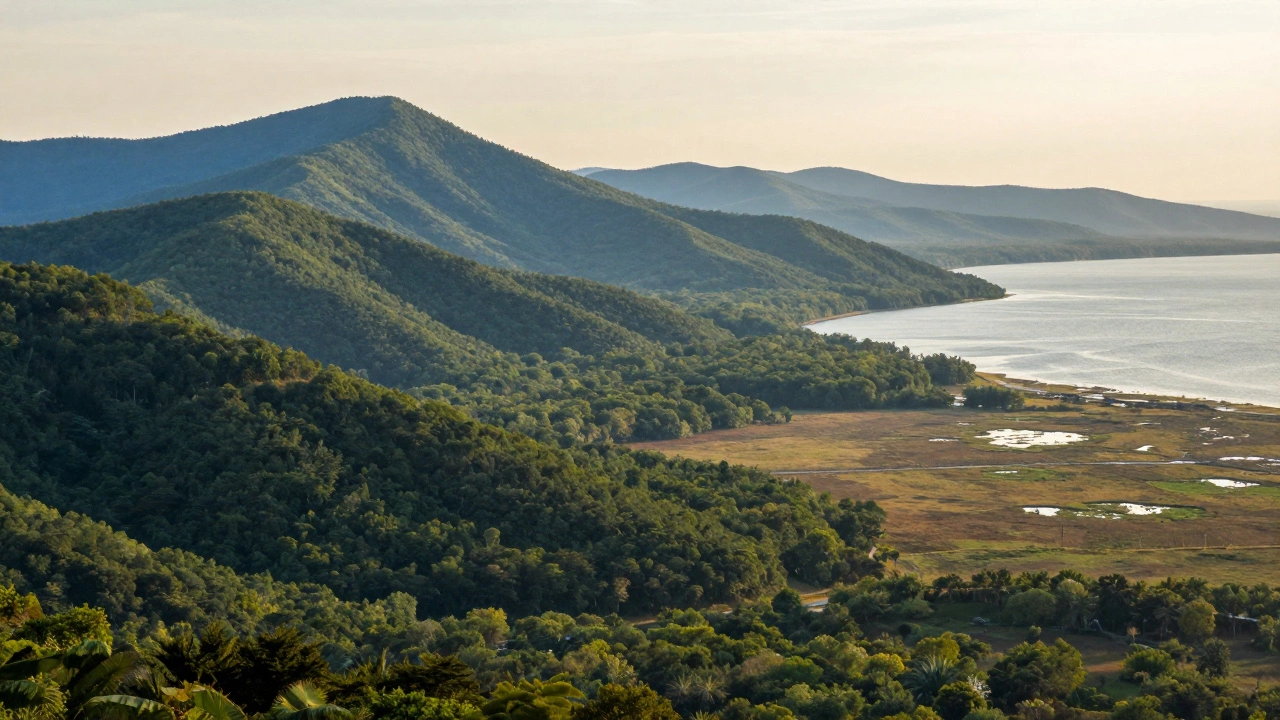
Shift your gaze to the Shenandoah Valley or the Appalachian highlands. Here, you can still find large tracts of land where the price per acre drops significantly. It's common to see 10-acre parcels selling for $30,000 to $70,000 total. The trade-off is usually a longer commute and more challenging terrain. You might get a great deal on 50 acres, but if 30 of those acres are vertical cliffs, the "price per acre" is a bit misleading.
Then there's the Tidewater and Coastal regions. Land here is often valued by its relationship to the water. A waterfront acre in the Chesapeake Bay area will cost ten times more than an inland acre just a few miles away. The risk of flooding and the need for specific environmental permits also play a huge role in the pricing structure.
What Actually Drives the Price?
When you see a listing for an acre of land in VA, the number you see isn't just for the dirt. It's for the rights and infrastructure attached to it. A "cheap" acre can quickly become expensive if you have to spend $40,000 just to get a driveway to the property.
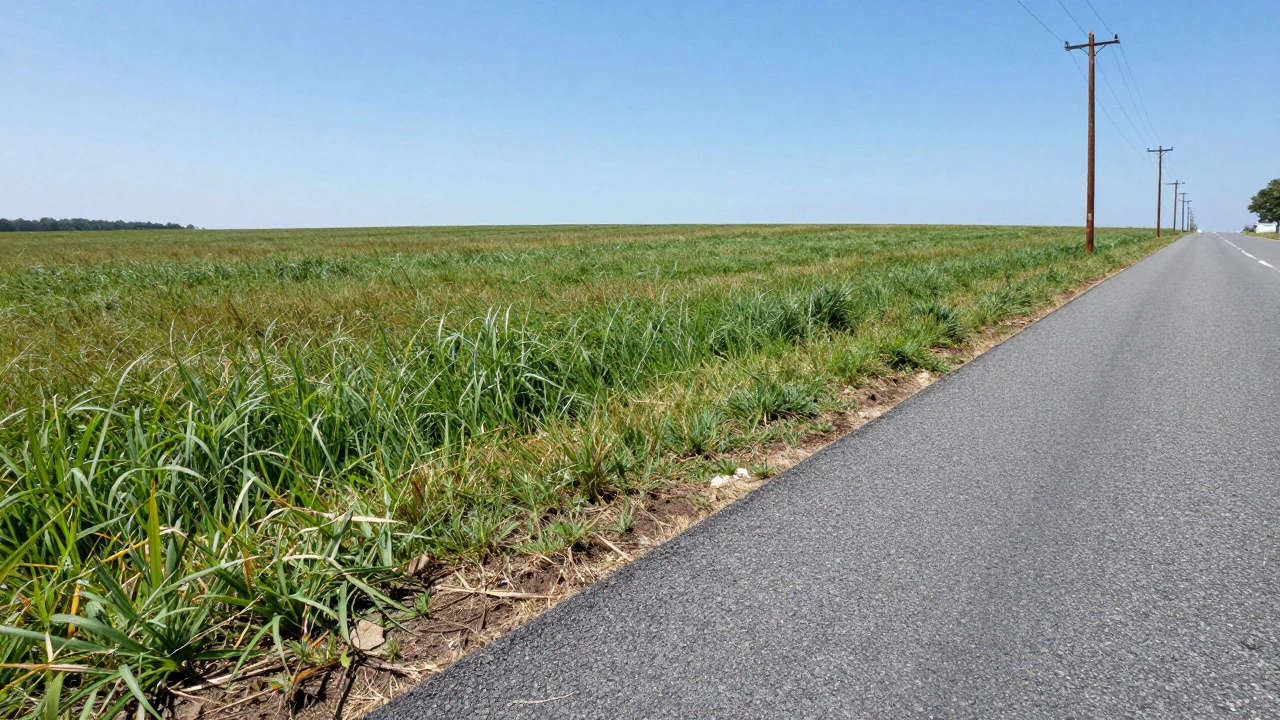
First, consider Road Frontage. A piece of land with direct access to a paved state road is worth significantly more than a "landlocked" parcel. If you have to negotiate an easement with a neighbor just to reach your home site, the property value plummets. Buyers pay a premium for legal, easy access.
Next is Utility Access. Does the land have access to the Electric Grid? Is there a city water line running along the road? If not, you're looking at the cost of drilling a well and installing a septic system. In many parts of rural Virginia, a proper perc test (percolation test) determines if the soil can handle a septic system. If the land fails a perc test, it's virtually impossible to build a home, making the land worth very little regardless of the acreage.
| Feature | Impact on Value | Estimated Cost to Add/Fix |
|---|---|---|
| Paved Road Access | High Increase | $10k - $50k (for private drives) |
| City Water/Sewer | Medium Increase | $5k - $20k (for well/septic) |
| Flat, Buildable Terrain | Medium Increase | Varies (heavy grading costs) |
| Waterfront/Riparian Rights | Extreme Increase | N/A (inherent value) |
Zoning and Land Use Restrictions
You can't just buy an acre and do whatever you want. Zoning Laws dictate whether that land is for residential, commercial, or agricultural use. A piece of land zoned for "Multi-Family Residential" is worth way more than land zoned for "Agricultural-Forestry" because you can build more units on it.
In Virginia, you also have to keep an eye on Conservation Easements. Some landowners sell the "development rights" to a land trust to save on taxes or protect the environment. If a property has a conservation easement, you might own the land, but you are legally forbidden from subdividing it or building large structures. This usually lowers the market price, but it's a critical detail for anyone wanting to develop the land.
Check for Covenants if you're buying in a planned community or a subdivision. These are private rules that might dictate the minimum square footage of a house or forbid the keeping of livestock. If you want to raise goats on your acre, make sure the covenants don't explicitly ban "farm animals."
How to Buy Land Without Getting Burned
Buying raw land is riskier than buying a house. With a house, you have a finished product; with land, you have a set of assumptions. The biggest mistake people make is trusting the listing agent's claim that the land is "buildable."
Always insist on a Survey. Property lines in rural Virginia can be vague, sometimes relying on "the big oak tree that died in 1974." A professional survey ensures you aren't accidentally buying a strip of your neighbor's driveway or missing five feet of your own backyard.
Then, handle the Due Diligence period carefully. Do not close on the land until you have confirmed the following:
- Soil Quality: Get a professional perc test to ensure a septic system will work.
- Flood Zones: Check the FEMA maps. If your acre is in a 100-year flood plain, your insurance costs will skyrocket, and your buildable area will shrink.
- Utility Quotes: Call the local power company to see how much it will cost to bring a line from the road to your building site.
- Mineral Rights: In some parts of Virginia, the person who owns the surface of the land doesn't own what's underneath. Make sure the mineral rights are included in the sale.
Comparing Raw Land vs. Lot in a Subdivision
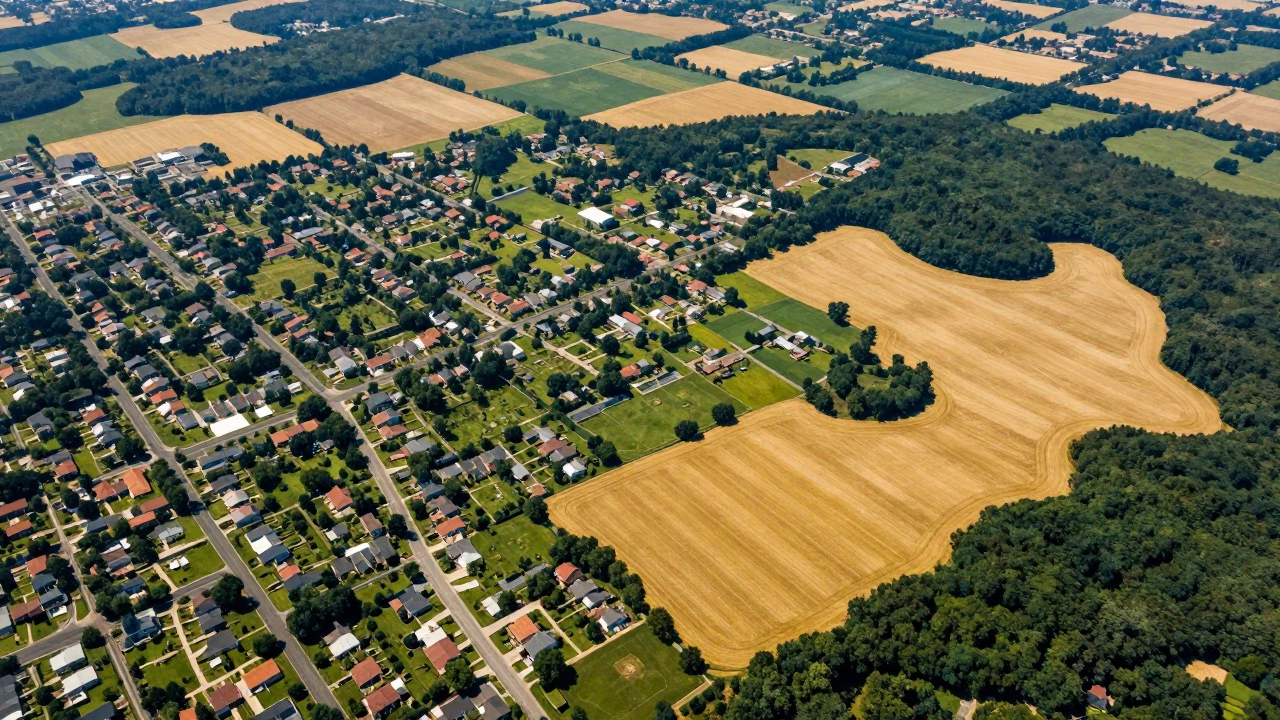
Depending on your goals, you might choose between "raw land" (completely undeveloped) and a "homesite lot" (already cleared and perhaps partially serviced).
Raw land is cheaper per acre but carries all the risk. You have to deal with clearing trees, grading the land, and installing all utilities. It's a project for someone who wants total control and has the patience for the permitting process.
A lot in a subdivision is more expensive per square foot. However, the developer has already done the hard work. The electricity is at the curb, the road is paved, and the zoning is already settled. You're paying a premium for the speed and certainty of being able to start construction immediately.
Does the price of land in Virginia vary by county?
Yes, significantly. Counties like Loudoun and Fairfax have some of the highest land prices in the country due to the proximity to D.C. In contrast, counties in the Southwest region, like Wythe or Grayson, offer much more affordable acreage, often at a fraction of the cost of Northern Virginia.
What is a "perc test" and why does it matter for land price?
A percolation test measures how quickly water drains through the soil. This is critical for land without city sewer systems. If land "fails" a perc test, you cannot install a standard septic system, which makes it nearly impossible to get a building permit for a residence, drastically lowering the land's value.
How can I find the cheapest acre of land in VA?
Look for larger tracts of land in the interior of the state, away from major highways and cities. Properties that are landlocked (no direct road access) or have steep slopes are usually the cheapest, though they are much harder to develop.
Are there taxes associated with owning raw land in Virginia?
Yes, you must pay annual property taxes. However, if the land is used for agriculture, you may qualify for "Agricultural Use" tax assessments, which significantly lower the tax burden compared to residential or commercial valuations.
What is the difference between a deed and a survey?
A deed is a legal document that transfers ownership of the property from the seller to the buyer. A survey is a physical measurement and mapping of the land's boundaries. A deed might describe the land in words, but a survey proves where those lines actually sit on the earth.
What to do next
If you've found a piece of land you love, don't sign the contract immediately. Start by contacting a local real estate agent who specializes in land-not just houses. Land requires a different skill set and a deeper understanding of soil and zoning.
For those on a budget, consider looking for properties that are being sold at tax auctions or through wholesalers. These can be steals, but they often come with "clouds on title" (legal disputes over ownership) that require a title company to clear before you can safely own the land.
Finally, reach out to the county planning office. Ask them about the "future land use map." If the county plans to put a highway through your quiet acre in five years, you need to know that now, not after you've spent your life savings on a dream home.